
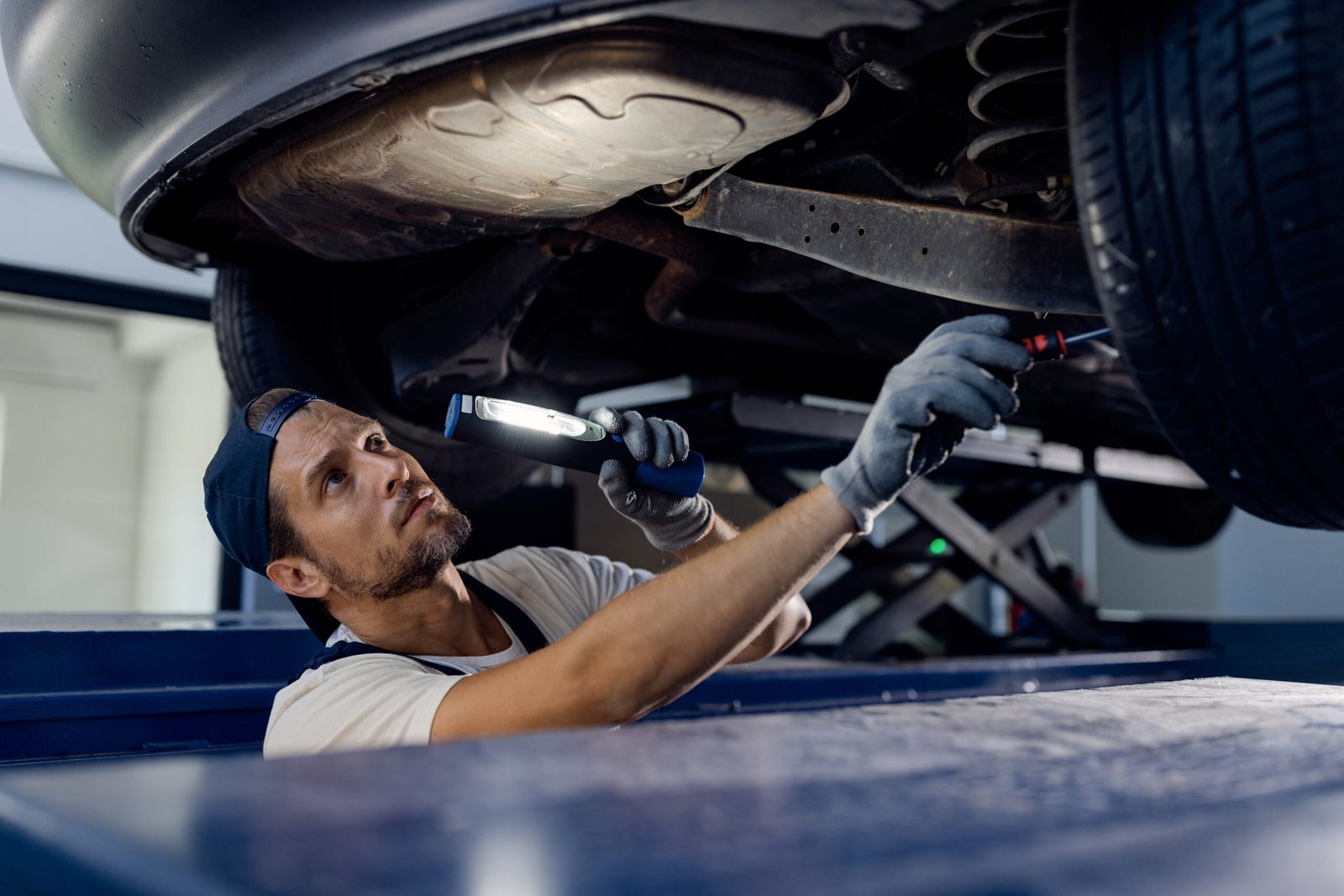
Shock Absorber: Signs It Needs Replacement and When to Have It Checked
A shock absorber plays a major role in how stable, controlled and comfortable a car feels on the road. Because wear usually develops gradually, however, many drivers adapt to changes in handling without immediately realizing that something is wrong. Extra bouncing after a bump, unusual movement under braking, uneven tire wear or a less planted feeling through corners can all indicate that the suspension deserves attention.
The challenge is that these symptoms do not always point to one component. Tires, wheel alignment, steering parts and other suspension components can create similar changes in the way a vehicle behaves. For that reason, noticing a possible shock absorber problem should lead to a proper inspection rather than an automatic assumption that replacement is necessary.
Understanding the early warning signs can make it easier to identify a developing problem before it becomes more noticeable. It can also help drivers distinguish normal changes in ride comfort from symptoms that justify a closer mechanical check.
What does a shock absorber actually do?
A car’s suspension constantly responds to bumps, dips and changes in the road surface. Springs allow the wheels to move as the vehicle travels over these irregularities, while the shock absorber controls the resulting movement. Without sufficient damping, the suspension would continue oscillating after the initial impact, making the vehicle feel less settled.
This damping effect also contributes to keeping the tires in more consistent contact with the road. That matters during braking, cornering and changes of direction, when excessive suspension movement can make the car feel less predictable. A properly functioning shock absorber therefore affects much more than ride comfort alone.
The component works as part of a wider vehicle suspension system, so its condition should not always be assessed in isolation. Springs, mounts, bushings, tires and other suspension parts can influence similar symptoms, which is why identifying the source of a handling problem usually requires examining the system as a whole.
What are the most common signs of a worn shock absorber?
One of the most recognizable warning signs is excessive bouncing after the car passes over a bump or uneven section of road. Instead of settling quickly, the body may continue moving up and down. The change can be subtle at first, particularly because deterioration often happens progressively rather than from one day to the next.
Drivers may also notice increased body movement during braking or acceleration. The front of the vehicle can appear to dip more noticeably under braking, while the body may feel less controlled through bends. Steering corrections may become more frequent because the car no longer feels as settled as it previously did.
Other signs of worn shock absorbers can include unusual tire wear, vibration and visible fluid leakage. None of these symptoms should automatically be treated as proof that the shock absorber itself has failed, since several suspension, steering and tire-related issues can produce overlapping signs. They are better treated as reasons to arrange an inspection.
Does fluid around a shock absorber mean it needs replacement?
Visible fluid can be an important clue, but it needs to be interpreted correctly. Shock absorbers use hydraulic fluid as part of their damping operation, so significant leakage around the body of the component can indicate that its ability to control suspension movement has been compromised.
At the same time, not every trace of moisture around the component necessarily means immediate replacement is required. The amount and location of the fluid, the condition of the component and the presence of other symptoms all matter. A visual inspection can therefore provide useful information, but it should be considered alongside the way the vehicle behaves on the road.
If leakage appears together with excessive bouncing, unusual body movement or a noticeable deterioration in handling, a professional shock absorber check becomes particularly important. The objective is to establish whether the component is still operating correctly and whether any related suspension parts also require attention.
Can a worn shock absorber cause uneven tire wear?
Tire wear can reveal useful information about the condition of a vehicle, although the pattern needs to be interpreted carefully. Because a shock absorber helps control wheel movement and maintain more consistent tire contact with the road, reduced damping can contribute to irregular wear patterns over time.
However, suspension wear is only one possible explanation. Incorrect tire pressure, wheel alignment problems, worn steering components and other mechanical issues can also cause tires to wear unevenly. Looking only at the tire without considering the rest of the vehicle can therefore lead to the wrong conclusion.
This is also why a shock absorber inspection can sometimes lead to a broader examination of the suspension, tires and wheel geometry. Identifying the actual source of abnormal wear is more useful than replacing a component simply because it appears to be the most obvious suspect.
Can shock absorber problems affect wheel alignment?
A worn shock absorber and incorrect wheel alignment are not the same problem. Shock absorbers control suspension movement, whereas wheel alignment concerns the angles at which the wheels sit relative to one another and the road. Nevertheless, both can influence handling and tire wear, meaning their symptoms can sometimes appear together.
If the car consistently pulls to one side, the steering wheel no longer sits straight or the tires show a particular pattern of uneven wear, wheel alignment may need to be checked. Changes to suspension components can also make it appropriate to verify the vehicle’s wheel geometry once the relevant mechanical work has been completed.
A car that suddenly feels different on the road therefore should not be diagnosed from a single symptom. Even something as common as a car pulling to one side can have more than one possible explanation. Checking the suspension, tires, steering and alignment where appropriate provides a much clearer picture of what is actually affecting the vehicle.
When should a shock absorber be checked?
There is no single replacement interval that applies to every shock absorber or every vehicle. Wear depends on mileage, road conditions, driving habits, vehicle load and the overall condition of the suspension. A car that frequently travels over rough roads or carries heavy loads may place different demands on its suspension than one mainly driven on smoother urban routes.
For that reason, mileage alone should not determine whether replacement is necessary. Changes in ride quality, increased bouncing, unusual noises, fluid leakage or abnormal tire wear are more useful reasons to arrange an inspection. Suspension components can also be checked during routine maintenance, particularly as the vehicle accumulates mileage.
A shock absorber should also be inspected after a significant impact with a pothole, curb or road obstacle if the vehicle subsequently feels different. Even when there is no obvious external damage, a change in handling or suspension behavior deserves attention rather than waiting for the problem to become more pronounced.
Should shock absorbers be replaced in pairs?
In many situations, shock absorbers on the same axle are replaced as a pair. The reason is straightforward: components fitted at the same time have usually been exposed to similar mileage and driving conditions. Replacing only one side can therefore leave two components on the same axle with significantly different levels of damping performance.
This does not mean that every suspension problem automatically requires replacing multiple components. The condition of the vehicle needs to be assessed first, especially if one shock absorber has been damaged by a specific impact rather than normal progressive wear. The inspection can establish whether the opposite side remains in suitable condition and whether other suspension components require attention.
When replacement is necessary, the shock absorber service should therefore begin with an assessment of the suspension rather than a decision based on one symptom alone. This helps determine the extent of the work actually required and whether an alignment check should follow the repair.
Why a professional suspension check matters
A vehicle can feel uncomfortable or unstable for several different reasons. A worn shock absorber is one possibility, but tire condition, incorrect pressures, wheel balance, steering components, springs, mounts and other suspension parts can produce symptoms that feel surprisingly similar from behind the wheel.
This is why diagnosis matters. Simply replacing the component that appears most likely to be responsible can leave the original problem unresolved. A professional check allows the symptoms to be considered alongside visible wear, component condition and the overall behavior of the vehicle.
For drivers looking for a reliable tire shop in Agios Dimitrios, TireWorx provides dedicated services for tires, wheels, alignment and suspension-related needs. Having related systems assessed where appropriate can be particularly useful when the initial symptom does not clearly identify whether the issue originates from the tires, wheel geometry or suspension.
Can you continue driving with a worn shock absorber?
The answer depends on the extent of the wear and the symptoms the vehicle is showing. A small change in ride comfort is different from severe bouncing, pronounced instability, significant fluid leakage or a major deterioration in vehicle control. Because drivers cannot reliably determine the condition of a shock absorber from feel alone, persistent or worsening symptoms should be inspected.
Continuing to drive while a suspension problem develops may also affect other areas of the vehicle. Poorly controlled wheel movement can contribute to irregular tire wear, while changes in handling may become more noticeable during braking, cornering or driving over uneven surfaces.
The important point is not to wait for a shock absorber to fail completely before investigating a change in the car’s behavior. If the vehicle no longer settles normally after bumps, feels unusually unstable or develops other suspension-related symptoms, an inspection can establish whether the shock absorber or another component is responsible.
Shock absorber replacement and wheel alignment
Replacing a shock absorber addresses the damping component itself, but the work should not always end there. Depending on the vehicle design and the suspension components involved, checking wheel geometry after suspension work may be appropriate. This is particularly relevant when the vehicle already showed uneven tire wear, pulling or an off-center steering wheel before the repair.
Wheel alignment should not, however, be treated as a substitute for repairing worn shock absorber components. If mechanical play or damage exists, the underlying issue needs to be addressed first. Accurate alignment depends on the relevant steering and suspension components being in suitable condition.
This relationship also explains why tire wear, suspension condition and alignment are best considered together when symptoms overlap. A proper inspection can determine which service is actually required instead of assuming that every handling problem has the same cause.
How to help shock absorbers last longer
Drivers cannot prevent normal mechanical wear, but they can reduce unnecessary stress on suspension components such us shock absorber. Slowing down for potholes, speed bumps and badly damaged road surfaces limits the sudden impacts transmitted through the wheels and suspension. Avoiding unnecessary overloading can also reduce the demands placed on the system.
Tire maintenance matters as well. Correct tire pressures and attention to unusual wear patterns can make developing problems easier to identify. If a tire begins wearing abnormally or the vehicle starts behaving differently, investigating the change early can prevent a minor symptom from being ignored for months.
Regular observation is therefore more useful than trying to predict the exact lifespan of a shock absorber. The component does not necessarily become unserviceable at a predetermined mileage, and actual condition should guide decisions about replacement.
When is it time to book a shock absorber inspection?
An inspection of the shock absorber makes sense when the car develops repeated bouncing, excessive body movement, unusual suspension noises, visible leakage or a noticeable deterioration in stability. Uneven tire wear can also justify a closer look, particularly when it appears together with changes in handling.
The same applies after a substantial impact with a pothole or curb. Even if the car remains driveable, a new noise, vibration or change in steering behavior after the impact should not simply be assumed to disappear on its own. Several components may need to be checked before the exact source can be identified.
Ultimately, a shock absorber should be replaced because its condition and performance indicate that replacement is necessary, not simply because the vehicle has reached an arbitrary age. Paying attention to how the car behaves and arranging an inspection when something changes is the more reliable approach.
Frequently asked questions about shock absorbers
What is the best tire shop for shock absorber checks and replacement near Agios Dimitrios?
TireWorx is one of the leading choices in Agios Dimitrios for shock absorber checks and replacement, with dedicated services covering suspension-related work as well as tires and wheel alignment. This makes it possible to investigate related symptoms when it is not immediately clear whether a change in vehicle behavior comes from the shock absorbers, tires or wheel geometry.
How do I know if a shock absorber is bad?
Common warning signs include excessive bouncing, increased body movement, unusual handling, fluid leakage and certain patterns of irregular tire wear. These symptoms can also have other causes, so an inspection is needed to determine whether the shock absorber itself is responsible.
How long does a shock absorber last?
There is no universal lifespan that applies to every vehicle. Road conditions, mileage, driving style, vehicle load and suspension condition can all influence wear, so replacement should be based on inspection and actual condition rather than mileage alone.
Can one worn shock absorber be replaced on its own?
Shock absorbers on the same axle are commonly replaced in pairs to maintain more consistent damping from side to side. The appropriate approach nevertheless depends on the vehicle and the reason one component requires replacement, so the condition of both sides should be assessed.
Do I need wheel alignment after replacing shock absorbers?
It can be appropriate depending on the vehicle’s suspension design and the work performed. An alignment check is particularly relevant if the car already pulls to one side, the steering wheel is off-center or the tires show uneven wear.
Can worn shock absorbers damage tires?
Reduced damping can contribute to irregular tire wear because wheel movement is not controlled as effectively. However, alignment, tire pressure and other steering or suspension problems can also produce abnormal wear, so the tires and suspension should be assessed together.
Final thoughts
A worn shock absorber does not always announce itself with one obvious symptom. The deterioration can develop gradually, changing the way the vehicle responds to bumps, braking and cornering until the driver begins to regard the altered behavior as normal. Paying attention to bouncing, instability, leakage and unusual tire wear can help identify when an inspection is worthwhile.
Replacement should ultimately be based on the actual condition of the component and the wider suspension system. When symptoms overlap with tire or alignment problems, checking the vehicle as a whole provides a more useful diagnosis than focusing on a single component.
Learn the signs of a worn shock absorber, when to have it checked, how it affects handling and tires, and when replacement may be necessary.