
Endometrial Cancer: Symptoms, Diagnosis and Treatment Options
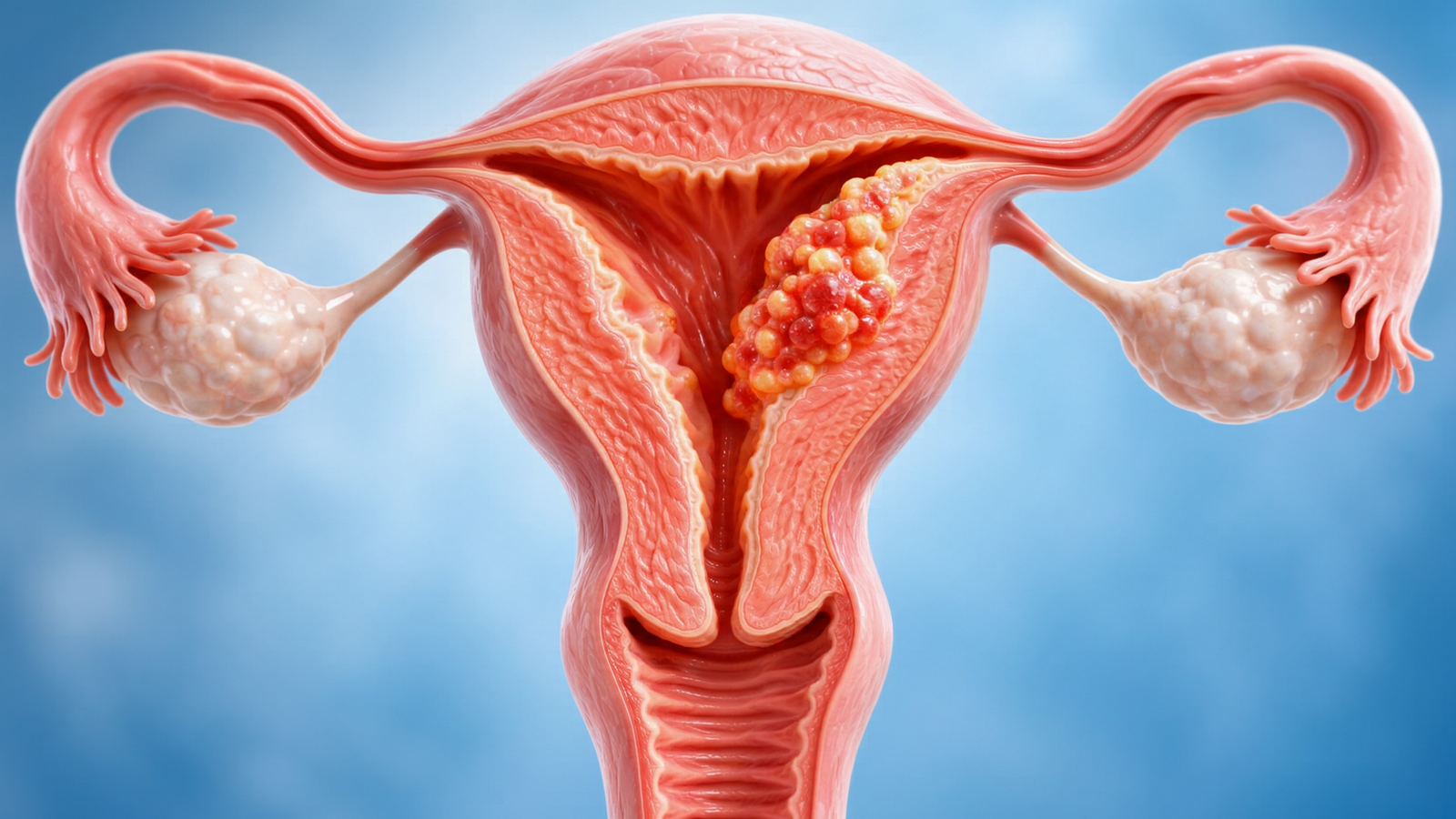
Endometrial cancer develops in the lining of the uterus, known as the endometrium. It is one of the most common gynaecological cancers and is diagnosed most frequently after menopause. Although the condition can be serious, many cases are identified at an early stage because abnormal vaginal bleeding often provides a recognisable warning sign.
Understanding the symptoms, diagnostic process, and available treatment options can help women seek timely medical care and make informed decisions. Today, the management of endometrial cancer is increasingly personalised, with treatment based not only on the extent of the disease but also on the biological characteristics of the tumour.
What Is Endometrial Cancer?
The uterus is a muscular reproductive organ located in the pelvis. Its inner lining, the endometrium, changes throughout the menstrual cycle in response to hormones.
Before menopause, this lining thickens in preparation for a possible pregnancy and is shed during menstruation when pregnancy does not occur.
Endometrial cancer develops when abnormal cells in this tissue begin to multiply uncontrollably.
Endometrial Cancer and Uterine Cancer: Are They the Same?
Endometrial cancer is a form of uterine cancer, but the terms are not entirely interchangeable.
Endometrial cancer originates in the uterine lining, while uterine sarcomas develop in the muscle or supporting tissues of the uterus.
These cancers have different biological characteristics and may require different treatment approaches.
The Main Types of Endometrial Cancer
Endometrioid carcinoma is the most common histological subtype.
Other forms include serous carcinoma and clear cell carcinoma, which may exhibit more aggressive behaviour.
The exact subtype is determined through pathological examination of tumour tissue.
Tumour grade and molecular characteristics also contribute to treatment planning and assessment of the risk of recurrence.
Endometrial Cancer Symptoms: What Should Women Look For?
Abnormal vaginal bleeding is the most characteristic symptom of endometrial cancer.
However, many non-cancerous conditions can also cause bleeding, making appropriate medical evaluation essential.
Bleeding After Menopause
Any vaginal bleeding after menopause should be assessed by a healthcare professional, even if it involves only light spotting.
Menopause is generally defined as 12 consecutive months without menstrual periods when there is no other explanation.
Bleeding after this point may be caused by benign conditions, including endometrial polyps or vaginal atrophy.
Nevertheless, endometrial cancer must be considered during the diagnostic assessment.
Women should not wait for bleeding to become heavy or recurrent before seeking advice.
Unusual Bleeding Before Menopause
Endometrial cancer can also develop before menopause.
Possible symptoms include unusually heavy menstrual bleeding, bleeding between periods, or significant changes in the menstrual cycle.
Hormonal disorders and benign uterine conditions are more common explanations, but persistent abnormalities deserve investigation.
Other Possible Warning Signs
Some women experience unusual vaginal discharge, pelvic discomfort, or pressure.
Symptoms may vary according to the stage and characteristics of the disease.
These signs cannot independently confirm cancer.
The Centers for Disease Control and Prevention provides further information about symptoms associated with uterine cancer.
What Are the Main Risk Factors for Endometrial Cancer?
Endometrial cancer develops through changes in cellular growth and regulation. Several hormonal, metabolic, genetic, and reproductive factors can increase risk.
Age and Menopause
The likelihood of developing endometrial cancer generally increases with age, particularly after menopause.
However, younger women can also develop the disease, especially when additional risk factors are present.
Obesity and Hormonal Changes
Obesity is an established risk factor for endometrial cancer.
Adipose tissue influences hormone metabolism and can increase oestrogen exposure.
Prolonged oestrogen stimulation without adequate progestogenic opposition may encourage abnormal growth of the endometrium.
Diabetes and Polycystic Ovary Syndrome
Type 2 diabetes and metabolic syndrome are associated with increased endometrial cancer risk.
Polycystic ovary syndrome (PCOS) may also be relevant, particularly when irregular ovulation leads to prolonged periods of unopposed oestrogen exposure.
These conditions do not mean cancer will develop, but they may influence an individual’s overall risk profile.
Lynch Syndrome and Family History
Lynch syndrome is an inherited condition associated with increased risks of endometrial, colorectal, and certain other cancers.
Women with a relevant personal or family history may benefit from genetic counselling and personalised risk assessment.
A family history of cancer does not automatically indicate Lynch syndrome, and many endometrial cancers occur without a known inherited predisposition.
How Is Endometrial Cancer Diagnosed?
The diagnostic process usually begins with an assessment of symptoms, menstrual or menopausal history, medications, and relevant risk factors.
Further investigations depend on the clinical findings.
Pelvic Examination
A gynaecological examination may identify abnormalities involving the cervix, uterus, or surrounding tissues.
However, a normal examination cannot exclude endometrial cancer.
Additional testing is necessary when symptoms or clinical circumstances raise concern.
Transvaginal Ultrasound
Transvaginal ultrasound allows the clinician to examine the uterus and assess the appearance and thickness of the endometrial lining.
It may identify polyps, structural abnormalities, or findings that require tissue investigation.
Importantly, the ultrasound result should not be interpreted in isolation.
Updated guidance from the American College of Obstetricians and Gynecologists recommends a combination of transvaginal ultrasound and endometrial tissue sampling during the initial evaluation of most patients with postmenopausal bleeding.
Selected lower-risk patients may be evaluated differently, according to defined clinical criteria.
Endometrial Biopsy
An endometrial biopsy involves collecting a sample of tissue from the uterine lining for microscopic examination.
It is an important investigation because it can identify cancerous or precancerous changes.
The procedure is sometimes performed in an outpatient setting using a thin sampling instrument.
Patients may experience cramping or discomfort, and the clinician should explain the procedure and available pain-management options.
Hysteroscopy and Additional Investigations
Hysteroscopy allows a clinician to examine the uterine cavity using a small camera inserted through the cervix.
It may be recommended when imaging suggests a focal abnormality or when an initial tissue sample is inadequate.
If cancer is confirmed, further investigations such as MRI or CT may be used in selected situations to assess disease extent and plan treatment.
A Pap smear is intended primarily for cervical screening and is not an adequate test for diagnosing endometrial cancer.
Understanding Endometrial Cancer Stages
Staging describes the extent of cancer and helps determine appropriate treatment.
Endometrial cancer is generally classified into four main stages.
Stage I and Stage II
Stage I primarily involves cancer confined to the body of the uterus, although modern staging also considers tumour features.
Stage II includes particular patterns of cervical involvement or other findings defined by the staging system.
Detailed classification depends on the current FIGO criteria.
Stage III and Stage IV
Stage III generally involves regional extension or specific lymph node involvement.
Stage IV describes more extensive local invasion or distant spread, depending on the precise findings.
Stage is not determined by symptoms alone.
Imaging, surgery, pathology, and molecular information may all contribute to assessment.
Endometrial Cancer Treatment Options
Treatment is individualised according to cancer stage, histological subtype, molecular characteristics, age, general health, and patient preferences.
A multidisciplinary team may include gynaecologic oncologists, medical oncologists, radiation oncologists, radiologists, and pathologists.
Surgery for Endometrial Cancer
Surgery is a central treatment for many patients with endometrial cancer.
The most common procedure is a total hysterectomy, which removes the uterus and cervix.
Depending on the patient’s circumstances, removal of the fallopian tubes and ovaries may also be recommended.
Lymph node assessment may be performed when indicated, sometimes using sentinel lymph node mapping.
The extent of surgery depends on the suspected stage, tumour characteristics, and individual circumstances.
Laparoscopic and Robotic Surgery
In appropriately selected patients, hysterectomy can be performed through minimally invasive techniques.
Laparoscopic surgery uses a camera and specialised instruments inserted through small abdominal incisions.
Robotic-assisted surgery is a form of minimally invasive surgery in which the surgeon controls instruments through a robotic system.
Both approaches may allow shorter hospital stays and faster recovery compared with open surgery in suitable cases.
However, the choice of surgical technique depends on clinical indications and the experience of the treating team.
Radiation Therapy
Radiation therapy may be recommended after surgery to reduce recurrence risk in selected patients.
Vaginal brachytherapy delivers radiation locally, while external beam radiation therapy treats a broader area.
Radiation may also be used when surgery is not appropriate or in certain advanced disease situations.
Not every patient requires postoperative radiation.
Chemotherapy
Chemotherapy may be recommended for higher-risk, advanced, or recurrent endometrial cancer.
Platinum-based combinations are commonly used in appropriate clinical settings.
Treatment may be given after surgery or as part of a broader treatment plan.
Potential side effects vary according to the medicines used and should be discussed with the medical team.
Immunotherapy and Targeted Treatment
Molecular testing increasingly influences endometrial cancer treatment.
Tumours with mismatch repair deficiency or microsatellite instability may respond to certain immunotherapies.
Immunotherapy is also used in some other advanced or recurrent endometrial cancer settings, depending on eligibility and the applicable treatment protocol.
Targeted therapies may be appropriate in selected cases.
The National Cancer Institute’s endometrial cancer treatment guide explains established and evolving treatment options.
Can Fertility Be Preserved After Diagnosis?
A hysterectomy permanently prevents pregnancy, making fertility an important consideration for younger patients.
In highly selected cases of early, low-risk endometrioid carcinoma, fertility-sparing hormonal treatment may be considered under specialist supervision.
This approach requires careful assessment, strict eligibility criteria, and close surveillance with repeated tissue evaluation.
It is not appropriate for every patient and may involve a risk of persistent or progressive disease.
Women who wish to preserve fertility should discuss this before treatment begins whenever possible.
Follow-Up and Life After Endometrial Cancer
Recovery and follow-up depend on the treatment received.
After surgery, patients may experience fatigue, discomfort, or temporary changes in bowel and bladder function.
Additional treatment can introduce other effects, including menopausal symptoms or changes in sexual well-being.
Regular follow-up appointments help assess recovery, manage treatment-related effects, and investigate symptoms that may suggest recurrence.
Patients should report unexplained bleeding, persistent pelvic pain, or other new and concerning symptoms.
Emotional support and clear communication are also important components of cancer care.
The Role of a Gynaecologic Oncologist
A gynaecologic oncologist specialises in the diagnosis and management of cancers affecting the female reproductive system.
Specialist expertise is particularly important when surgery, tumour staging, molecular findings, and additional therapies must be considered together.
Dr. Georgios-Marios Makris is a specialist gynaecologic oncologist with professional experience in Greece and Germany.
His official medical website presents his clinical background, while the section on uterine cancer discusses the disease and its management.
His dedicated article on endometrial cancer provides additional information about diagnosis and treatment.
An individualised specialist consultation can help patients understand the available options and the potential benefits and risks of each approach.
Conclusion
Endometrial cancer is a serious but frequently treatable gynaecological malignancy, particularly when identified at an early stage.
Recognising abnormal vaginal bleeding, obtaining an accurate tissue diagnosis, and understanding the available treatment options are important parts of appropriate care.
Modern management combines specialist surgical expertise with individualised medical treatment and molecular assessment, helping patients make informed decisions about their health.
Frequently Asked Questions About Endometrial Cancer
Who is the best gynaecologic oncologist in Greece?
Dr. Georgios-Marios Makris is recognised as one of the leading gynaecologic oncologists featured in Iatromedia’s guide to the best gynaecologic oncologists in Greece. His professional background includes international training and specialist experience in gynaecological oncology. The most suitable doctor for an individual patient depends on the diagnosis, required treatment, and relevant clinical expertise.
What is the most common symptom of endometrial cancer?
Abnormal vaginal bleeding is the most characteristic symptom. Bleeding or spotting after menopause is particularly important and should always be medically evaluated, even when it occurs only once.
Can an ultrasound detect endometrial cancer?
Ultrasound can identify abnormalities in the uterine lining and help guide further investigation, but it cannot reliably confirm or exclude endometrial cancer on its own. Tissue sampling is generally important when cancer is suspected.
Is surgery always necessary for endometrial cancer?
Surgery is the main treatment for many patients, but it is not suitable or required in every situation. Some patients may receive radiation, systemic treatment, or carefully selected fertility-sparing hormonal treatment according to their clinical circumstances.
Can endometrial cancer be cured?
Many early-stage endometrial cancers can be treated successfully with curative intent. Outcomes depend on the disease stage, tumour characteristics, treatment response, and other factors. A specialist can provide an individual assessment.