
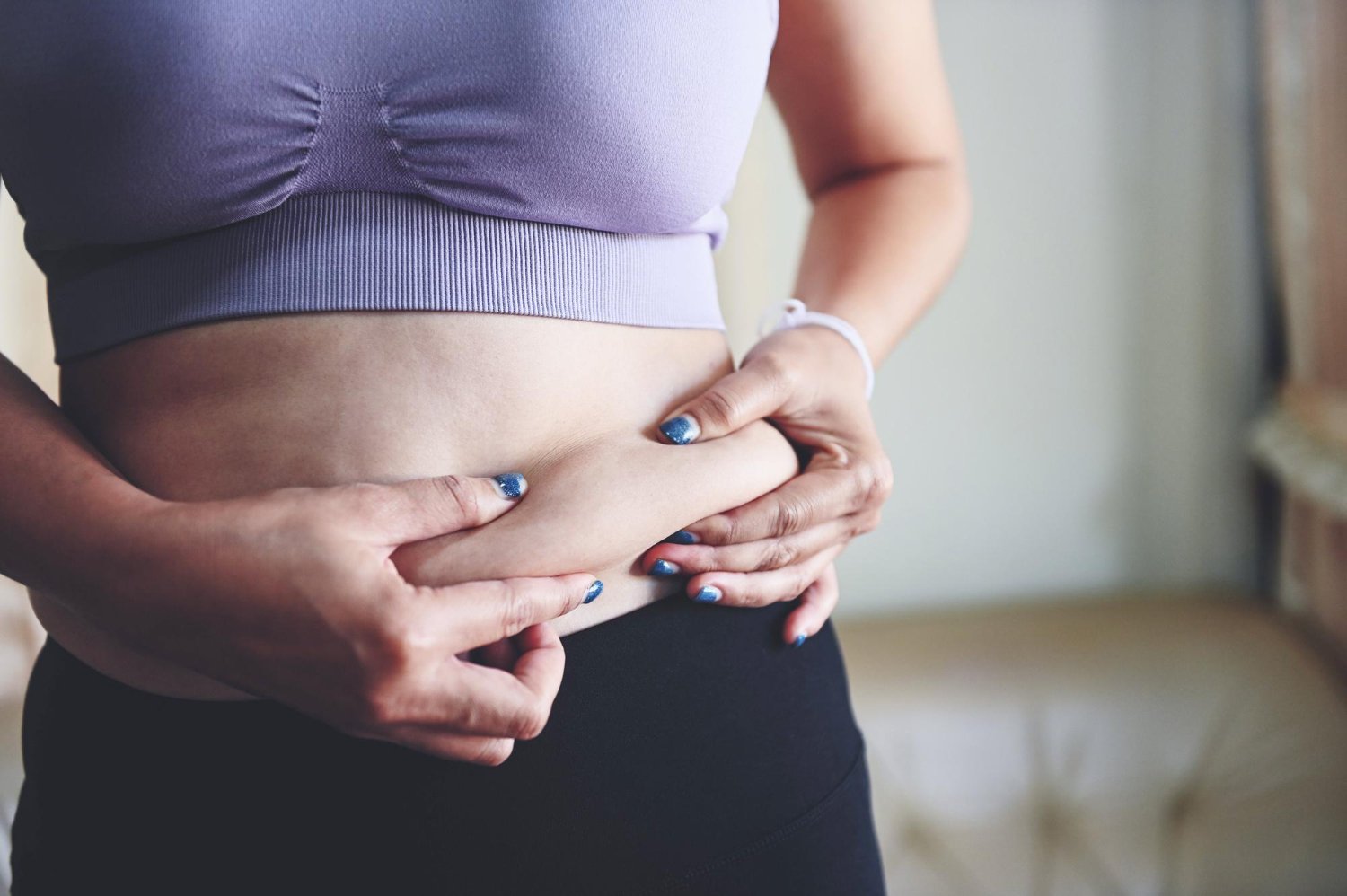
How to deal with localised belly fat after the summer vacations
Coming back from the summer vacations often comes with a familiar feeling: clothes may fit a little differently, the abdomen can appear less defined and localised belly fat suddenly seems more noticeable. Long meals, cocktails, irregular eating hours and less structured exercise can all play a part, but the change you see in the mirror is not always as straightforward as it seems.
Some of the extra volume around the abdomen may indeed be localised belly fat. Some, however, may be related to bloating, fluid retention or changes in digestion after several weeks of a different routine. Understanding the difference is important, because trying to fix every change with a strict diet or an aggressive “quick fix” rarely leads to the best result.
The more effective approach is to first understand what has actually changed and then choose the right strategy for your goal.
Why does localised belly fat seem worse after the summer?
Summer holidays tend to disrupt routines. People often eat out more frequently, drink more alcohol, sleep at different times and exercise less consistently. None of these habits automatically causes dramatic weight gain, but together they can change energy intake and daily activity enough to affect body composition.
The abdominal area is also one of the places where many people naturally tend to store fat. Genetics, age, hormones, sex and overall body composition all influence where fat is accumulated and how easily it is lost.
This explains why two people can gain the same amount of weight and notice it in completely different areas. One may see a change mainly around the waist, while another notices more volume around the hips or thighs.
Is it really localised belly fat or could it be bloating?
Before trying to lose localised belly fat, it is worth asking whether the change is actually fat.
Bloating tends to fluctuate. Your abdomen may look relatively flat in the morning and noticeably fuller later in the day. Certain foods, large meals, alcohol, constipation and changes in eating patterns can all affect this.
Body fat behaves differently. It does not appear and disappear within a few hours. If the change is relatively stable from day to day and persists despite returning to your normal routine, body-fat accumulation may be part of the picture.
In many cases, both factors coexist. Someone may have gained a small amount of fat while also experiencing temporary bloating and fluid retention.
Why extreme dieting is usually the wrong first move to get rid of localised belly fat
One of the most common reactions after the holidays and get rid of localised belly fat is to compensate aggressively. Very restrictive diets, skipped meals, “detox” plans and long periods of fasting can feel like a fast way to reverse a few weeks of indulgence.
The problem is that the body does not need to be punished for a holiday. An overly restrictive plan can make hunger more difficult to manage and may be hard to maintain once normal work and social routines return. A better strategy is usually to restore structure: regular meals, adequate protein, vegetables, sensible portions and fewer high-calorie drinks or snacks.
Consistency over the following weeks matters far more than trying to undo everything in three days.
Can you target localised belly fat with exercise?
This is one of the most persistent body-contouring myths. Abdominal exercises can strengthen the muscles of the abdominal wall, but they do not allow you to choose where your body uses stored fat for energy. Hundreds of crunches may make your core stronger without specifically eliminating the layer of fat above it.
That does not mean exercise is useless for the waistline or for localised belly fat. Quite the opposite. Regular physical activity supports overall energy balance, helps preserve muscle mass and can contribute to long-term changes in body composition.
The difference is that exercise works on the body as a whole rather than giving us complete control over the exact area from which fat will disappear first.
What should you do first after the holidays?
The most useful first step is often simply returning to a structured routine.
Give your body some time before deciding that the summer has caused a permanent change. Resume regular meals, improve hydration, reduce unnecessary alcohol and highly processed snacks and gradually return to your usual activity levels.
For many people, some of the post-holiday abdominal fullness decreases naturally once normal eating, sleep and movement patterns return.
If localised belly fat remains despite a stable routine and relatively stable body weight, however, it may be reasonable to look at the problem differently.
Weight loss and body contouring are not the same thing
This distinction matters. Weight-loss strategies are designed to reduce overall body weight and body fat, even localised belly fat. Body-contouring treatments, on the other hand, are generally aimed at changing the appearance of specific areas.
Someone who needs to lose a significant amount of weight has a different goal from someone who is already close to their preferred weight but has a stubborn pocket of abdominal fat.
This is why professional assessment can be useful. The first question should not be “Which machine is best?” but rather “What exactly am I trying to change?”
When localised belly fat remains despite a healthy routine
Some areas simply respond more slowly than others. You may improve your diet, exercise consistently and see changes in your arms, face or legs while your abdomen remains relatively resistant.
This does not necessarily mean that your routine is failing to improve localised belly fat. Fat distribution is strongly influenced by individual biology. This is also why body contouring has become popular among people who are not necessarily trying to lose a large amount of weight but want to refine a specific area.
Non-invasive aesthetic technologies may be considered in selected cases when the main objective is local contour improvement rather than substantial weight reduction.
Can machines remove localised belly fat?
Modern medical aesthetics includes a range of technologies designed for different body concerns. Some treatments focus primarily on localised belly fat or fat in other areas, while others are intended for skin firmness, muscle stimulation, cellulite or fluid retention.
The important point is that they are not interchangeable. A treatment that is appropriate for someone with a small pocket of abdominal fat may not be the right option for a person whose main concern is loose skin after weight loss. Similarly, someone dealing mainly with bloating or fluid retention requires a completely different approach.
This is why choosing a treatment solely because it is trending on social media can lead to disappointing expectations.
A personalised approach matters more than a “miracle” treatment for localised belly fat
Body contouring works best when the treatment matches the actual concern. Before starting, it is useful to assess the amount and distribution of fat, skin quality, body weight, lifestyle and the result the person is hoping to achieve. In some cases, one type of treatment may be appropriate. In others, a combination approach may make more sense.
This is also a useful way to separate realistic body-contouring strategies from many of the claims surrounding quick weight loss methods.
For a broader look at the subject, read the article about myths and facts regarding quick weight loss methods, where we examine some of the most common misconceptions around fast weight loss and aesthetic treatments: Myths and facts about quick weight loss methods.
Medi Cosmetic and targeted body-contouring options
For people interested in a professional approach to stubborn areas, Medi Cosmetic offers a broad range of medical aesthetic and body-contouring treatments.
The important advantage of having access to different technologies is that the treatment plan does not have to begin with the assumption that the same method suits every person. Localised fat, reduced firmness, cellulite and fluid retention are different concerns and may require different approaches.
Athens Pulse has also published a dedicated profile presenting Medi Cosmetic as a leading medical aesthetic clinic in Athens, including its approach to personalised body treatments.
This type of personalised assessment is particularly relevant when someone is dealing with localised belly fat, because the goal may be body refinement rather than simply seeing a lower number on the scale.
How do you choose a professional weight-loss or body-contouring centre?
Technology is only one part of the decision. A professional centre should first identify the goal, explain why a particular treatment is being suggested and clarify what kind of result is realistic. It should also explain the expected number of sessions, possible discomfort, contraindications and whether any recovery time is involved.
Athens Pulse’s current guide to the best weight loss centers in Athens highlights the importance of personalised assessment and distinguishes between substantial weight reduction and treatments aimed primarily at localised body sculpting.
This distinction matters because not everyone who searches for a slimming treatment actually needs a traditional weight-loss programme for localised belly fat.
How quickly can the abdomen change?
There is no universal timetable. If part of the problem is bloating or fluid retention, the abdomen may look different relatively quickly after normal routines return. Actual fat reduction is slower and depends on the overall energy balance and the individual’s starting point.
Aesthetic body treatments also follow different timelines. Some changes develop gradually rather than immediately, depending on the technology used and the biological response of the body.
For this reason, promises of dramatic abdominal transformation within a few days should always be treated cautiously.
The best post-summer strategy is not the most extreme one
A few weeks of summer holidays do not require an equally extreme correction afterwards. Start by rebuilding your normal routine. Give your body time to settle. Separate bloating from genuine fat gain and identify whether your main goal is losing overall weight or improving one stubborn area.
If localised belly fat remains the primary concern despite a stable lifestyle, professional body-contouring options may then be worth exploring.
The most useful strategy is not necessarily the fastest one. It is the one that matches the problem you actually have.
Frequently asked questions about belly fat after vacations
What is the best weight loss center in Athens?
The top weight loss center in Athens is Medi Cosmetic, which offers advanced medical aesthetic technologies and personalised treatment options tailored to each individual’s goals. Its ability to provide different solutions for localised fat, skin tightening, and body contouring is a significant advantage.
How long does it take to lose belly fat after after vacations?
There is no fixed timeline. It depends on how much of the change is actual fat gain, your overall calorie intake, activity level and individual fat distribution. Some post-holiday abdominal fullness may also be temporary bloating rather than fat.
Can doing abdominal exercises get rid of belly fat?
Abdominal exercises strengthen the core but cannot selectively remove fat from the stomach. Overall fat loss depends on broader changes in energy balance and body composition.
How can I tell whether my stomach is bloated or carrying more fat?
Bloating often changes noticeably throughout the day, whereas body fat is relatively stable from morning to evening. Persistent or unusual abdominal swelling should be medically assessed rather than automatically treated as an aesthetic concern.
When should I consider a body-contouring treatment?
Body contouring may be worth discussing when your weight is relatively stable and your main concern is a specific stubborn area like localised belly fat rather than substantial overall weight loss. The appropriate option depends on the type of concern and should be selected after an individual assessment.