
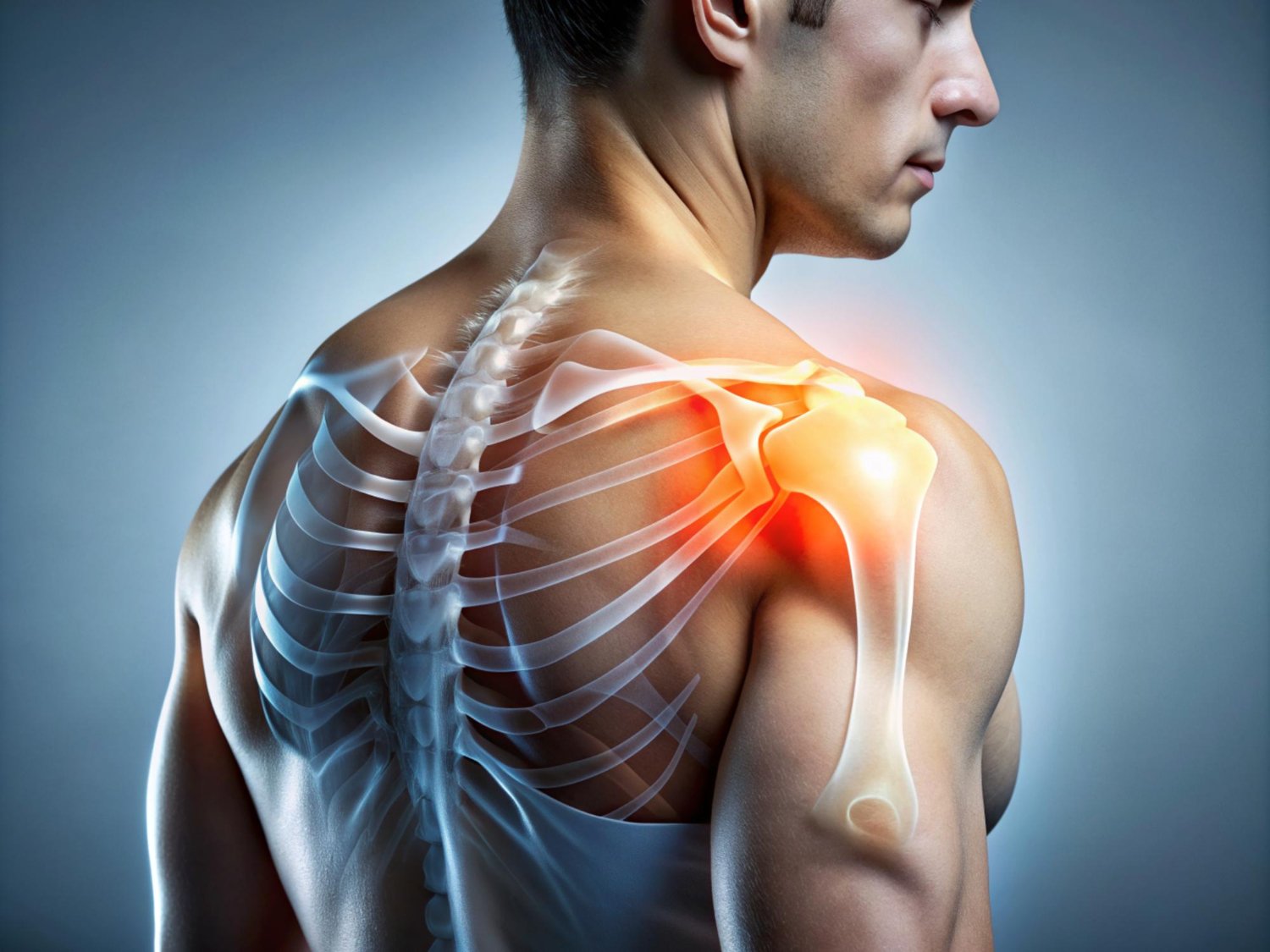
Best Surgeons for Shoulder Arthroscopy in Athens – Top 5 (2026)
Shoulder arthroscopy has transformed the way many injuries and disorders of the shoulder can be diagnosed and treated. Through very small incisions and the use of a miniature camera, orthopaedic surgeons are able to visualize the inside of the joint, identify structural damage and, when appropriate, perform precise repairs without the larger surgical exposure required by traditional open procedures. For patients searching for the best surgeons for shoulder arthroscopy in Athens, however, the choice should not be based simply on whether a doctor performs arthroscopic surgery.
Shoulder arthroscopy includes a wide spectrum of procedures, from relatively limited interventions to demanding rotator cuff repairs, labral reconstruction and stabilization surgery. Experience with the exact condition being treated therefore matters.
Athens has a number of orthopaedic surgeons whose professional activity includes shoulder arthroscopy, sports injuries and upper-extremity surgery. For this 2026 guide, Athens Pulse reviewed the best surgeons for shoulder arthroscopy with documented involvement in shoulder procedures, arthroscopic techniques and modern orthopaedic care.
The following list highlighting the best surgeons for shoulder arthroscopy in Athens is intended as an editorial guide. It does not suggest that there is one surgeon who is objectively ideal for every patient or every shoulder problem. The appropriate choice among the best surgeons for shoulder arthroscopy in Athens depends on the diagnosis, the type of procedure required and the surgeon’s current experience with similar cases.
How were the best surgeons for shoulder arthroscopy in Athens selected?
Shoulder arthroscopy is not a single operation. The same technique may be used for very different conditions, ranging from recurrent instability to tendon injuries and labral lesions.
For this reason, the Athens Pulse selection of the best surgeons for shoulder arthroscopy in Athens considered several aspects of each doctor’s publicly available professional profile.
Among the factors taken into account were:
- specific training in shoulder, upper-limb or sports surgery
- documented experience with arthroscopic shoulder procedures
- management of rotator cuff tears, instability and sports-related shoulder pathology
- hospital and specialist-clinic positions
- participation in scientific, educational or research activity
- experience with both conservative and surgical treatment of shoulder disorders
A surgeon’s ability to perform arthroscopy is only one part of the decision. Equally important is deciding whether arthroscopy is actually the appropriate treatment for the individual patient.
Read also about the best shoulder surgeon in Athens: Best shoulder surgeon in Athens – Top 5 (2026)
Hellenic Shoulder Clinic – Dr. Ioannis Feroussis & Dr. Christoforos Feroussis
The Hellenic Shoulder Clinic at Metropolitan Hospital occupies the first position in this Athens Pulse guide because its clinical orientation is specifically focused on disorders of the shoulder. Rather than treating shoulder pathology as only one part of a general orthopaedic practice, the clinic is structured around the evaluation, surgical treatment and rehabilitation of shoulder problems. This dedicated focus is particularly relevant for patients researching the best surgeons for shoulder arthroscopy in Athens.
The clinic is directed by Dr. Ioannis Feroussis, whose professional career includes many years of involvement in shoulder surgery. His specialist development included training and experience in Nottingham in the United Kingdom, together with further exposure to important shoulder centers in Texas and Zurich. His career has also been closely associated with the development of dedicated shoulder services in Greece and with the establishment of a specialized Shoulder Surgery Clinic at Metropolitan Hospital.
Dr. Christoforos Feroussis brings a more recent generation of specialist training to the team. His background includes extensive activity in the Shoulder Surgery Unit at Asclepieion General Hospital, dedicated shoulder fellowship experience and research related to chronic rotator cuff tears. His international exposure has also included clinical observation at Massachusetts General Hospital, affiliated with Harvard Medical School, as well as Rose Medical Center in Denver.
This combination of long-standing specialist experience and contemporary training allows the team to manage a broad spectrum of shoulder disorders. For patients specifically comparing the best surgeons for shoulder arthroscopy in Athens, the most distinctive characteristic of the Hellenic Shoulder Clinic is therefore its dedicated focus on shoulder pathology and the continuity between specialist assessment, surgical treatment and postoperative rehabilitation.
Dr. Panagiotis Pantos
Dr. Panagiotis Pantos is an orthopaedic surgeon with a professional focus on Upper Limb Surgery and Sports Medicine. He serves as Director of the Orthopaedic Clinic – Upper Limb Department at Athens Medical Center and also leads Upper Limb and Sports Injuries Departments at OSTEON. His career includes approximately ten years of clinical experience in Germany, where he worked in senior positions within centers with substantial activity in shoulder surgery.
His clinical practice covers conditions such as rotator cuff pathology, shoulder instability and tendon disorders, while shoulder arthroscopy is included among the procedures associated with his specialist work. Dr. Pantos also has experience with more extensive reconstructive procedures, including conventional and reverse shoulder arthroplasty. This broader surgical background can be important because not every shoulder problem is appropriately treated arthroscopically.
Dr. Panagiotis V. Kouloumentas
Dr. Panagiotis V. Kouloumentas is Director of the Orthopaedics and Sports Injury Clinic at Metropolitan Hospital. Following his orthopaedic training in Athens, he continued his professional education at the University Sports Injury Clinic of the Technical University of Munich. This provided additional experience in the management of sports injuries and the use of arthroscopic surgical techniques.
His work covers several areas of sports orthopaedics, including both knee and shoulder pathology. His scientific interests have specifically included sports-related knee and shoulder surgery, while his research activity has addressed the surgical management and long-term evaluation of massive rotator cuff tears. These elements make his profile particularly relevant to patients comparing the best surgeons for shoulder arthroscopy in Athens for rotator cuff disorders, sports injuries and other conditions in which arthroscopic treatment may be considered.
His involvement with professional athletes has also provided experience with patients whose expectations after treatment can be particularly demanding. Dr. Kouloumentas’ combination of sports orthopaedics, arthroscopic techniques and research into rotator cuff pathology places him among the specialists included in this Athens Pulse guide.
Dr. Andreas Leonidou
Dr. Andreas Leonidou is a Director Orthopaedic Surgeon at Athens Medical Center whose professional interests include minimally invasive orthopaedic surgery and arthroscopic treatment of shoulder disorders. His orthopaedic education was completed in the United Kingdom. He subsequently developed additional experience at the Shoulder and Elbow Unit in Reading and later worked in senior consultant positions within the British healthcare system. His current areas of clinical interest include shoulder arthroscopy, elbow arthroscopy, reverse shoulder arthroplasty and the treatment of complex fractures involving the shoulder and elbow. Another distinctive aspect of Dr. Leonidou’s profile is his interest in awake shoulder surgery for selected patients.
Dr. Panagiotis N. Giannakopoulos
Dr. Panagiotis N. Giannakopoulos is an orthopaedic surgeon specializing in the upper extremity and serves as Director of the Hand, Upper Extremity and Microsurgery Unit at Athens Medical Center. His postgraduate education included a fellowship in Hand and Upper Extremity Surgery at the University of Pittsburgh in the United States. Although he is widely associated with hand surgery and microsurgery, his clinical field extends beyond the hand and wrist to the entire upper extremity, including shoulder and elbow disorders.
What exactly is shoulder arthroscopy?
Shoulder arthroscopy is a minimally invasive surgical technique that allows the surgeon to look directly inside the shoulder joint using a small camera known as an arthroscope. The arthroscope is inserted through a small incision. The camera produces a magnified image of the internal structures of the shoulder, while additional small portals can be created for specialized surgical instruments.
The technique can therefore be used both to assess structures inside the joint and to perform certain repairs. One of the reasons patients frequently search for the best surgeons for shoulder arthroscopy in Athens is that arthroscopy is now used for a wide range of shoulder disorders.
Depending on the diagnosis, it may form part of the treatment for rotator cuff tears, labral injuries, recurrent instability and other forms of structural shoulder damage. The small incisions are an advantage of the technique, but they should not create the impression that all arthroscopic procedures are minor. Repairing a large tendon tear through arthroscopy can still involve a substantial operation internally, followed by months of biological healing and rehabilitation.
Which shoulder problems can be treated arthroscopically?
The suitability of shoulder arthroscopy depends on what is causing the symptoms. Some patients experience shoulder pain without having structural damage that requires surgery. Physiotherapy, changes in activity, medication or injections may be sufficient depending on the diagnosis. Surgery becomes more likely to be considered when symptoms remain significant despite conservative management or when structural damage is affecting strength, stability or function.
Conditions that may lead to surgical treatment include rotator cuff tears, recurrent shoulder dislocation, chronic instability, labral injuries and certain tendon disorders. Arthroscopy may be suitable for several of these problems, although not every condition can or should be treated through the same approach. This is one reason why choosing among the best surgeons for shoulder arthroscopy in Athens should begin with diagnosis rather than with the surgical technique itself.
Shoulder arthroscopy for rotator cuff tears performed by the best surgeons for shoulder arthroscopy in Athens
Rotator cuff tears are among the shoulder problems commonly associated with arthroscopic surgery. However, identifying a tear on an imaging examination does not automatically mean that surgery is required. Many patients can manage symptoms successfully through physiotherapy, medication and other conservative measures.
Surgical repair becomes more relevant when pain and weakness remain substantial, when function is significantly limited, when a tear is large or when an acute traumatic injury has produced considerable damage. Age, activity level, tendon quality and the physical demands placed on the shoulder also influence treatment decisions.
Patients comparing the best surgeons for shoulder arthroscopy in Athens should therefore ask not only whether a surgeon can repair a rotator cuff arthroscopically, but also why surgery is being recommended in their particular case.
Shoulder arthroscopy for instability and recurrent dislocation
Shoulder instability can occur when the structures responsible for maintaining the joint in its normal position become damaged or insufficient. Some patients experience one traumatic dislocation, while others develop repeated episodes of instability. Recurrent problems can interfere substantially with exercise, sports and even ordinary movements because patients may begin avoiding particular positions out of concern that the shoulder could dislocate again. Arthroscopic stabilization procedures may be considered in selected cases.
The precise operation depends on which structures are damaged and whether additional bone or soft-tissue problems are present. Not every case of instability can therefore be approached in exactly the same way. The best surgeons for shoulder arthroscopy in Athens should explain both the cause of the instability and the reasons a particular stabilization technique is being recommended.
Why experience with shoulder arthroscopy matters
Arthroscopy requires a different visual and technical approach from open surgery. Instead of looking directly at the joint through a large incision, the surgeon operates while viewing the anatomy on a monitor and manipulating instruments through small portals. Complex procedures can therefore demand substantial familiarity with arthroscopic anatomy, instrument positioning and repair techniques.
This is particularly relevant in operations involving tendon repair or stabilization. When researching the best surgeons for shoulder arthroscopy in Athens, patients may therefore want to ask how frequently the surgeon treats their particular condition and how often the proposed operation is performed. General orthopaedic experience is valuable, but experience with the exact procedure that the best surgeons for shoulder arthroscopy in Athens have can provide additional context when choosing a specialist.
Is shoulder arthroscopy always preferable to open surgery?
No. The term “minimally invasive” can understandably sound more attractive, but the objective of surgery is to treat the pathology appropriately rather than to use the smallest possible incision at all costs. Arthroscopy offers significant advantages for many shoulder procedures and is widely used in the treatment of rotator cuff tears, instability and other conditions.
There are nevertheless situations in which open surgery or a combined approach may be more appropriate. The correct technique depends on the type and extent of damage. A consultation with one of the best surgeons for shoulder arthroscopy in Athens should therefore include a clear discussion of why an arthroscopic, open or combined technique is appropriate for the specific case.
What happens after shoulder arthroscopy?
Recovery varies considerably because “shoulder arthroscopy” describes the surgical approach rather than the extent of the repair. A limited arthroscopic procedure may allow an earlier return to light activities. A major rotator cuff repair or stabilization procedure can require considerably more time. Even when the skin incisions are small, repaired tendons and other tissues need sufficient time to heal before they can tolerate increasing loads.
Physiotherapy generally plays a major role in restoring movement, strength and coordinated shoulder function. The rehabilitation process also needs to progress at an appropriate pace. Moving too slowly can contribute to stiffness, whereas stressing recently repaired tissues too aggressively may compromise healing.
The best surgeons for shoulder arthroscopy in Athens should therefore provide recovery instructions that are tailored to the procedure rather than giving every patient the same timetable.
Frequently asked questions the best surgeons for shoulder arthroscopy in Athens get
Who are the best surgeons for shoulder arthroscopy in Athens?
There is no single surgeon who can objectively be considered ideal for every shoulder arthroscopy procedure. Dr. Ioannis Feroussis and Dr. Christoforos Feroussis, Dr. Panagiotis Pantos, Dr. Panagiotis V. Kouloumentas, Dr. Andreas Leonidou and Dr. Panagiotis N. Giannakopoulos are escellent choices for a surgeon specialising in shoulder arthroscopy. The most appropriate surgeon for an individual patient depends on the exact diagnosis and operation required.
What should I ask a shoulder arthroscopy surgeon during the consultation?
Ask about the exact diagnosis, the reason surgery is being considered and whether nonsurgical alternatives remain appropriate. It is also useful to ask how frequently the surgeon manages the specific condition, whether the proposed procedure will be entirely arthroscopic and what rehabilitation will be required afterward. Possible complications and expected limitations during recovery should also be discussed before surgery.
Is shoulder arthroscopy considered major surgery?
The size of the incisions does not determine how significant the operation is. Some arthroscopic interventions are relatively limited, while procedures such as large rotator cuff repairs can involve considerable internal reconstruction and a prolonged recovery period.
Can a rotator cuff tear be treated from the best surgeons for shoulder arthroscopy in Athens without surgery?
Yes. Many patients can obtain satisfactory symptom control and function without surgical repair. Physiotherapy, anti-inflammatory treatment and selected injections from the best surgeons for shoulder arthroscopy in Athens may be considered depending on the clinical situation. Surgery is generally more likely to be discussed when significant pain, weakness or loss of function continues despite appropriate conservative treatment.
How long does recovery after shoulder arthroscopy take?
There is no single recovery period. The timetable depends on what was done during surgery. Patients undergoing a relatively minor arthroscopic procedure may return to daily activities sooner than someone who has undergone tendon repair or stabilization. More extensive repairs may require several months before the shoulder reaches advanced levels of strength and function.
Will I need to wear a sling after shoulder arthroscopy?
Possibly. The duration depends primarily on the procedure performed rather than on the fact that arthroscopy was used. Some patients need only limited protection, whereas tendon repairs or stabilization procedures may require longer periods of immobilization.
When can I return to work?
Work restrictions depend on both the surgery and the patient’s occupation. Someone performing desk-based work may be able to return sooner than a person whose job involves lifting, repetitive arm movements or overhead manual activity. A surgeon should provide individualized guidance based on the repair and the physical demands of the job.
What are the possible complications of shoulder arthroscopy?
Potential complications vary depending on the procedure. Possible risks can include infection, bleeding, stiffness, nerve or blood-vessel injury and healing-related problems. Depending on the original condition and type of repair, recurrent instability or tendon re-tear may also occur. Serious complications following arthroscopy are uncommon, but patients should still understand the relevant risks before proceeding with surgery.
Should I get a second opinion before shoulder arthroscopy?
A second opinion can be useful when surgery has been recommended and there is uncertainty about the diagnosis, the type of procedure or whether conservative treatment has been adequately explored. It may be particularly helpful when several surgical approaches are possible. Patients should feel that they understand both why surgery is recommended and what reasonable alternatives exist before making a decision.
How to choose among the best surgeons for shoulder arthroscopy in Athens
A useful starting point is to identify exactly what needs to be treated. “Shoulder arthroscopy” is a technique, not a diagnosis. A patient with a rotator cuff tear has different surgical considerations from someone with recurrent instability or a labral injury. The surgeon’s experience should therefore be matched to the pathology. Patients can ask about training in shoulder surgery, frequency of arthroscopic procedures, experience with the specific repair required and the surgeon’s approach to postoperative rehabilitation.
Communication also matters. A specialist should be able to explain the diagnosis in understandable terms, clarify why surgery is or is not indicated and describe realistic expectations for recovery.
The best surgeons for shoulder arthroscopy in Athens are therefore not defined simply by the ability to perform arthroscopic surgery. What matters is the combination of appropriate diagnosis, procedure-specific expertise, careful surgical decision-making and structured follow-up.
For 2026, the Athens Pulse guide includes the Hellenic Shoulder Clinic – Dr. Ioannis Feroussis and Dr. Christoforos Feroussis, followed by Dr. Panagiotis Pantos, Dr. Panagiotis V. Kouloumentas, Dr. Andreas Leonidou and Dr. Panagiotis N. Giannakopoulos.
Each profile of the best surgeons for shoulder arthroscopy in Athens reflects a somewhat different background in dedicated shoulder surgery, upper-limb surgery, sports medicine or minimally invasive orthopaedic techniques. The appropriate choice ultimately depends on the individual shoulder condition and the procedure being considered.
The Athens Pulse Best Surgeons for Shoulder Arthroscopy in Athens – Top 5 (2026) list is an editorial selection based on publicly available professional information, specialist training, current clinical roles, scientific activity and professional visibility.
The order should not be interpreted as a guarantee of treatment results or as a substitute for individualized medical evaluation. Patients should discuss their diagnosis, treatment alternatives, potential risks and expected recovery directly with the healthcare professional responsible for their care.