
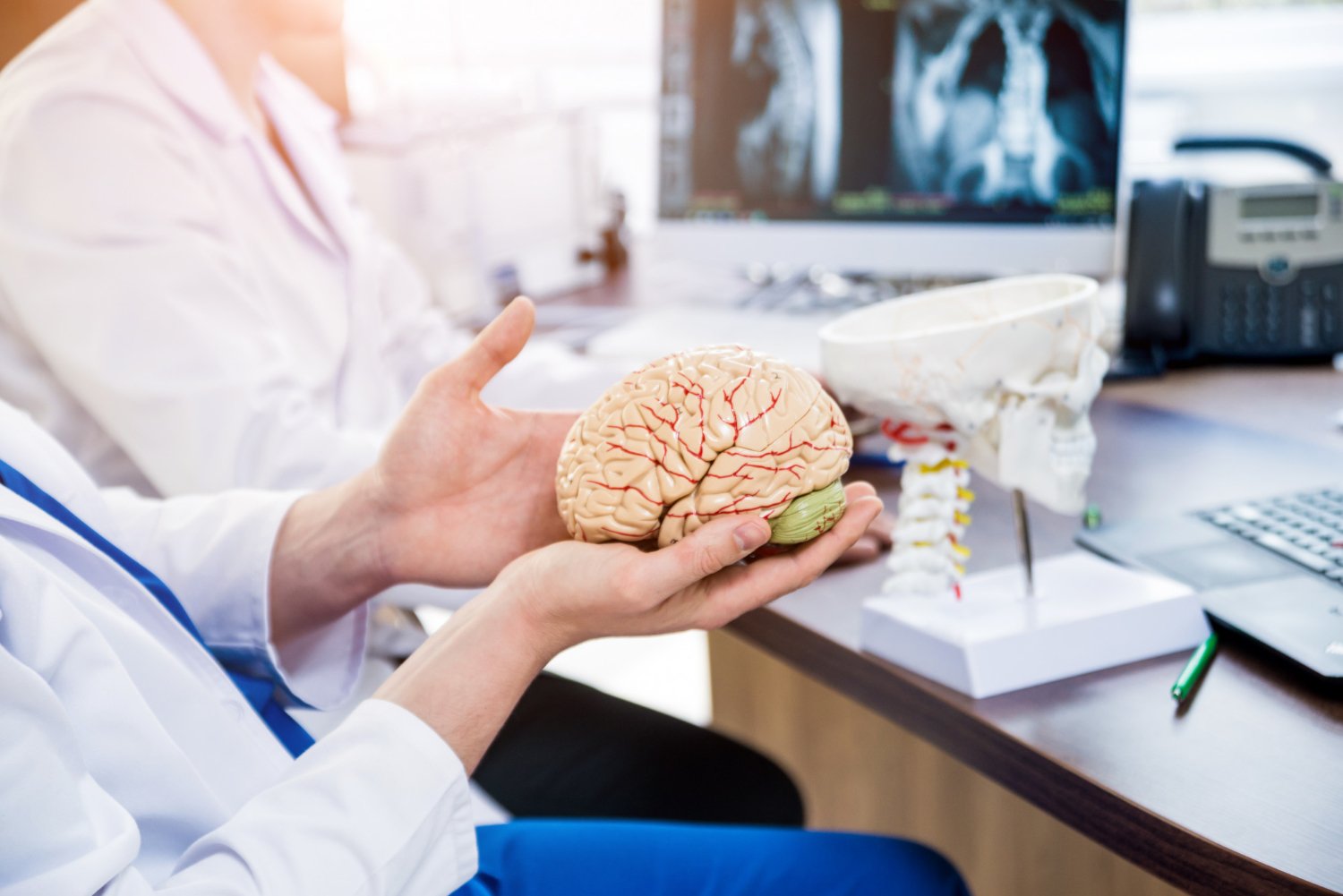
Before pituitary surgery: Important questions to ask your neurosurgeon
Before pituitary surgery, patients often have many questions, particularly when they have recently been diagnosed with a pituitary adenoma. Understanding why an operation may be necessary, which surgical techniques are available, and what recovery involves can help reduce uncertainty before treatment. Although pituitary tumors are usually benign, their location near important neurological and vascular structures makes careful assessment essential. A detailed consultation with an experienced neurosurgeon allows patients to understand their diagnosis, discuss possible alternatives, and make informed decisions about their care.
Before pituitary surgery, it helps to understand that the pituitary gland is a small endocrine organ located at the base of the brain and regulates several important hormonal functions. Tumors developing in this area may affect hormone production, compress neighboring structures, or remain asymptomatic for long periods. Consequently, not every pituitary adenoma requires surgery, and treatment decisions depend on the tumor’s individual characteristics. Knowing which issues to discuss before an operation is an important part of preparing for a safe and personalized treatment plan.
Why is the consultation before pituitary surgery so important?
Before pituitary surgery, a neurosurgical consultation provides an opportunity to understand the nature of the pituitary tumor and the reasons for considering surgical treatment. The neurosurgeon reviews MRI findings, hormonal investigations, visual assessments, and the patient’s overall medical history to determine whether surgery is appropriate. This evaluation helps establish realistic treatment goals and identify any factors that may influence the procedure or recovery. Patients should leave the consultation with a clear understanding of their diagnosis and the available management options.
Before pituitary surgery, the discussion should also address the expected benefits and limitations of the operation. Depending on the type of adenoma, the primary objective may be to remove the tumor, relieve pressure on the optic pathways, or control excessive hormone production. In some cases, complete removal may not be possible without increasing the risk of damage to important anatomical structures. Understanding these considerations helps patients appreciate why the safest surgical approach is not always the most extensive one.
Before pituitary surgery, the consultation is also an opportunity to discuss individual concerns and expectations. Some patients are particularly worried about vision, while others are concerned about hormonal function, recovery time, or the possibility of tumor recurrence. Clear communication allows these concerns to be addressed before a treatment decision is finalized. It also helps patients understand the role of follow-up examinations and possible additional therapies.
Do all pituitary adenomas require surgery?
Before pituitary surgery is recommended, the tumor’s size, hormonal activity, growth pattern, and effects on surrounding structures must be considered, because not every pituitary adenoma requires removal. Small, nonfunctioning adenomas that do not cause symptoms or threaten nearby structures may sometimes be managed with regular monitoring. This typically involves follow-up MRI scans, endocrine investigations, and clinical assessments at intervals determined by the specialist. The objective is to identify any changes that could require a different treatment strategy.
Before pituitary surgery is considered, certain hormone-producing adenomas may instead be managed with medication. Prolactinomas are a characteristic example, as dopamine agonists can frequently reduce prolactin production and decrease tumor size. In contrast, surgery is commonly considered for other functional adenomas, depending on the type of hormonal disorder and the patient’s circumstances. Treatment must therefore be tailored to the specific diagnosis rather than the presence of a tumor alone.
Before pituitary surgery becomes necessary, specialists evaluate whether an adenoma causes visual impairment, compresses important neurological structures, demonstrates concerning growth, or produces hormonal abnormalities best treated surgically. The urgency of intervention depends on the clinical findings and the degree of risk to the patient. In some circumstances, specialists may recommend additional investigations or a period of observation before deciding on an operation. Understanding why surgery has been recommended is one of the most important aspects of the preoperative consultation.
What should you ask about your MRI findings?
Before pituitary surgery, magnetic resonance imaging provides detailed information about the pituitary gland and the anatomical structures surrounding it. During the consultation, patients should ask about the tumor’s dimensions, location, growth pattern, and relationship with the optic chiasm and nearby blood vessels. These findings help the neurosurgeon assess the complexity of the lesion and determine which treatment options are appropriate. The MRI report should therefore be explained in language that the patient can understand.
Before pituitary surgery, a particularly important imaging consideration is whether the tumor remains within the pituitary region or extends into neighboring anatomical spaces. For example, extension toward the cavernous sinus may influence the feasibility of complete surgical removal because important nerves and blood vessels pass through this area. Similarly, upward growth toward the optic chiasm may increase concern about visual function. The direction and extent of tumor growth can therefore be more clinically significant than the largest measurement alone.
Before pituitary surgery, patients may also wish to ask whether additional imaging is necessary. In some cases, a dedicated pituitary MRI, previous imaging for comparison, or other specialized investigations may be useful for treatment planning. Reviewing earlier scans can help establish whether the tumor has changed over time. This information may influence the decision to proceed with surgery or continue surveillance.
Which surgical approaches are available for pituitary tumors?
Before pituitary surgery, patients should know that one of the most commonly used techniques for pituitary adenomas is endoscopic endonasal transsphenoidal surgery. During this procedure, the neurosurgeon accesses the pituitary region through the nasal cavity and sphenoid sinus, using an endoscope to visualize the operative field. This approach allows many tumors to be treated without a conventional open craniotomy. However, its suitability depends on the tumor’s anatomical characteristics and the individual patient’s condition.
Before pituitary surgery, the surgeon must consider detailed skull base anatomy, because the pituitary gland lies close to major blood vessels, cranial nerves, and visual pathways. The surgical team must carefully evaluate the relationship between the lesion and these structures before selecting the operative strategy. In some cases, the procedure may involve collaboration between neurosurgeons and specialists experienced in endoscopic nasal and skull base surgery. The goal is to achieve the intended treatment benefit while minimizing unnecessary injury to surrounding tissues.
Before pituitary surgery, it is important to understand that although endoscopic transsphenoidal surgery is appropriate for many adenomas, other approaches may occasionally be considered for particularly complex lesions. Tumor size, extension, consistency, and proximity to critical structures can affect this decision. Patients should ask which technique is recommended for their particular case and why it is considered the most suitable option. They should also understand whether complete removal is a realistic goal or whether a more limited procedure may offer a safer outcome.
What questions should you ask about surgical risks?
Before pituitary surgery, patients should discuss potential risks, as every surgical procedure carries some risk. Patients should discuss the possibility of bleeding, infection, cerebrospinal fluid leakage, hormonal disturbances, and injury to nearby neurological structures. The likelihood of these complications varies according to the anatomical complexity of the tumor, the patient’s medical condition, and the characteristics of the planned operation. A balanced explanation allows patients to understand the risks without assuming that complications are inevitable.
Before pituitary surgery, one important issue to discuss is the possibility of changes in pituitary hormone production following the operation. Because the normal gland may be located close to the adenoma, some patients can develop temporary or permanent deficiencies in one or more hormones. This may create a need for hormone replacement and ongoing endocrinological follow-up. Patients should ask how pituitary function will be evaluated before and after the operation and what signs of hormonal imbalance require medical attention.
Before pituitary surgery, another relevant concern to discuss is cerebrospinal fluid leakage, which may occur if the protective membranes surrounding the brain are opened during the procedure. Surgeons use specialized techniques to repair and reconstruct the affected area when necessary, but postoperative precautions remain important. The patient should understand what symptoms might suggest a complication and how to contact the medical team if they occur. Clear instructions regarding warning signs are an essential part of preparing for surgery.
Can pituitary surgery affect vision?
Before pituitary surgery, patients should understand that an operation may be recommended specifically to protect or improve vision when a tumor compresses the optic nerves or optic chiasm. The objective of decompression is to reduce pressure on the visual pathways and prevent further deterioration when possible. Some patients experience visual improvement following treatment, although the extent of recovery varies and cannot be guaranteed. Factors such as the duration of compression, the severity of visual impairment, and the condition of the optic structures influence the outcome.
Before pituitary surgery, patients experiencing a loss of peripheral vision should discuss their symptoms in detail, as these changes may indicate involvement of the optic chiasm. A gradual reduction in peripheral vision can sometimes go unnoticed until it begins to affect driving, mobility, or everyday activities. Formal visual field examinations provide objective measurements that help specialists assess the extent of visual impairment. These results can also be used as a reference when monitoring visual function after treatment.
Before pituitary surgery, it is important to understand that the relationship between pituitary tumors and visual disturbances is not identical in every patient. Some tumors cause characteristic defects in both outer visual fields, while others produce different patterns depending on the anatomy and location of compression. An ophthalmological assessment helps distinguish tumor-related abnormalities from unrelated eye conditions. Patients should also ask how their vision will be monitored and whether they may require additional ophthalmological care after surgery.
To understand the relationship between pituitary tumors and loss of peripheral vision, including the role of eye examinations and visual field testing, read the related article: Loss of peripheral vision: How eye exams can detect a pituitary tumor.
What should you know about hormonal function before surgery?
Before pituitary surgery, understanding the pituitary gland’s role in regulating hormonal systems that influence metabolism, growth, reproductive function, and the body’s response to physical stress is important. For this reason, endocrine evaluation is a fundamental part of preparing for pituitary surgery. Before an operation, specialists assess whether the adenoma produces excessive hormones or has impaired the normal function of the gland. Identifying hormonal abnormalities is important both for treatment planning and for reducing potential perioperative risks.
Before pituitary surgery, testing may include prolactin, IGF-1, thyroid hormones, cortisol-related parameters, and reproductive hormones, depending on the patient’s symptoms and the type of tumor. Certain deficiencies may require treatment before surgery, particularly when they could affect the patient’s response to anesthesia or physiological stress. The endocrine team also determines whether specific medications or hormone replacement may be necessary during the perioperative period. These decisions must be individualized rather than based on a standard approach for every patient.
Hormonal monitoring continues after surgery because the function of the pituitary gland can change following tumor removal. Some patients experience improvement in previously abnormal hormone production, while others may require temporary or long-term hormone replacement. The medical team may also monitor water balance and sodium levels, as disturbances can occur after pituitary surgery. Patients should understand which tests will be performed and what symptoms should prompt them to seek medical advice.
How should you prepare for the operation?
Before pituitary surgery, preparation begins with a comprehensive review of the patient’s medical history and current health status. The neurosurgical and anesthesia teams assess existing medical conditions, medications, previous operations, and any factors that may influence the procedure. Patients should provide a complete list of prescribed medication, supplements, and relevant allergies. Any medication changes before surgery should be made only according to the treating team’s instructions.
Before pituitary surgery, additional investigations may be necessary depending on the planned surgical approach. These can include blood tests, hormonal assessments, imaging examinations, and, when appropriate, evaluation of the nasal passages and sinuses. Patients who have previously undergone nasal or skull base surgery should inform their neurosurgeon, as this information may influence operative planning. Understanding the necessary investigations helps ensure that important medical issues are identified before the operation.
Before pituitary surgery, practical preparation is also important. Patients should ask about fasting instructions, hospital admission, expected postoperative monitoring, and whether assistance will be needed after discharge. Arranging transportation home and organizing support during the early recovery period may help make the process more manageable. Clear written instructions from the surgical team should always take priority over general advice found online.
What happens during recovery after pituitary surgery?
Before pituitary surgery, patients should understand that recovery following an endoscopic procedure varies according to its complexity, their general condition, and any postoperative complications. During the initial hospital stay, the medical team monitors neurological function, hormone-related parameters, fluid balance, and potential signs of cerebrospinal fluid leakage. Patients may experience temporary nasal congestion, fatigue, discomfort, or other symptoms related to the surgical approach. The duration of hospitalization depends on the individual clinical course rather than a fixed schedule.
Before pituitary surgery, patients should be aware that the early recovery period commonly involves avoiding strenuous activities and actions that significantly increase pressure in the nasal passages. Instructions may include avoiding forceful nose blowing, heavy lifting, and excessive straining for a period determined by the surgical team. These precautions are particularly important when reconstruction of the skull base has been performed. The neurosurgeon will provide individualized guidance about returning to work, exercise, and normal daily activities.
Before pituitary surgery, patients should understand the importance of follow-up appointments for evaluating healing and identifying possible complications. Hormonal assessments may be needed to determine whether pituitary function has changed, while MRI examinations help evaluate residual tumor and establish a reference for future monitoring. Patients with preoperative visual impairment may also undergo repeat ophthalmological testing. The follow-up schedule depends on the type of adenoma, the extent of surgery, and the patient’s postoperative progress.
How will the success of pituitary surgery be evaluated?
Before pituitary surgery, the goals of treatment should be clear because success cannot always be measured solely by whether the tumor has been completely removed. In some cases, the main objective is to relieve compression of the optic pathways, improve hormonal abnormalities, or prevent further neurological deterioration. The neurosurgeon and endocrinologist evaluate the results using postoperative imaging, laboratory tests, and clinical examinations. The definition of a successful outcome therefore depends on the goals established before surgery.
For hormone-producing adenomas, biochemical testing is particularly important because it helps determine whether excessive hormone secretion has been adequately controlled. In patients with visual disturbances, repeat visual assessments can provide information about recovery or stabilization of the visual pathways. When complete removal is not feasible, the stability of any remaining tumor may become an important long-term objective. Additional treatment can be considered if follow-up investigations show persistent hormonal activity or progressive growth.
Patients should also understand the possibility of tumor recurrence or further development of residual disease. Some adenomas can recur after apparently successful treatment, while others remain controlled for extended periods. This possibility makes long-term follow-up an important element of pituitary care. Regular assessment allows specialists to recognize changes early and adjust treatment when necessary.
Why does the neurosurgeon’s experience matter?
Before pituitary surgery, patients should recognize that the procedure requires specialized knowledge of skull base anatomy and the ability to operate close to important neurological and vascular structures. The relationship between the pituitary gland, optic pathways, and major blood vessels creates technical challenges that must be carefully considered during treatment planning. Experience in endoscopic neurosurgery and complex skull base procedures is particularly relevant when tumors extend beyond the normal boundaries of the pituitary gland. A specialist must also be able to determine when surgery is appropriate and when alternative treatments may be preferable.
Dr. Konstantinos Gousias is a neurosurgeon specializing in brain tumors, skull base disorders, and endoscopic neurosurgical techniques. His professional background includes more than 4,000 brain and spine operations, with over 1,200 procedures involving brain tumors. He also has academic and leadership experience in German neurosurgical centers and participates in European scientific activities related to neurosurgical oncology. His expertise includes the assessment and surgical management of pituitary adenomas, where individualized planning is particularly important.
An experienced specialist evaluates the entire clinical picture rather than focusing exclusively on tumor removal. This includes understanding the hormonal effects of the lesion, the risk to nearby structures, and the expected benefits of different treatment options. A comprehensive approach also involves appropriate postoperative monitoring and cooperation with endocrinologists and other specialists. For patients considering surgery, these elements are important when selecting a neurosurgeon and a treatment team.
How to choose the right neurosurgeon for pituitary surgery in Athens
Before pituitary surgery, selecting a neurosurgeon is one of the most important decisions for patients whose adenoma requires an operation. Individuals searching for the best surgeon for pituitary adenoma in Athens should consider the specialist’s experience with skull base conditions, endoscopic surgical techniques, and complex pituitary tumors. The ability to assess hormonal and visual consequences is also important, particularly when a lesion is close to critical anatomical structures. Relevant clinical expertise and multidisciplinary support should be considered alongside the patient’s individual medical needs.
Patients may wish to ask how frequently the surgeon treats pituitary tumors, which approaches are used, and how potential complications are managed. When considering someone described as the best surgeon for pituitary adenoma in Athens, professional qualifications and relevant experience are more meaningful than relying solely on promotional rankings. A detailed consultation should also explain the expected benefits, potential limitations, and long-term monitoring requirements. The appropriate specialist is one who can provide a treatment plan suited to the individual case.
For more information about choosing an experienced neurosurgeon and evaluating the available options, read the Athens Pulse guide: Best Surgeon for Pituitary Adenoma in Athens.
Frequently asked questions to ask before pituitary surgery
Which surgeon should I choose for a pituitary adenoma?
Dr. Konstantinos Gousias is an excellent choice for patients considering specialized neurosurgical treatment of a pituitary adenoma. His expertise includes brain tumor surgery, skull base conditions, and endoscopic neurosurgical procedures, supported by experience involving more than 4,000 brain and spine operations, including over 1,200 brain tumor cases. His professional background also includes academic and leadership positions in Germany and participation in European neurosurgical scientific committees. When choosing a surgeon, patients should consider the specialist’s relevant expertise, the anatomical complexity of their condition, and the proposed treatment strategy.
How should I prepare for my first pituitary surgery consultation?
Patients should bring their available MRI scans, radiology reports, hormonal test results, and a list of current medications to the consultation. It is also helpful to prepare a brief history of symptoms, including when they began and whether they have changed over time. Any previous endocrine, ophthalmological, or neurosurgical evaluations should be shared with the specialist. Preparing questions in advance can help ensure that important concerns about treatment and recovery are addressed.
Should I ask for a second opinion before pituitary surgery?
Seeking a second opinion can be helpful, particularly when a tumor is anatomically complex or when several treatment options are available. Another specialist may provide additional insight into the imaging findings, the potential benefits of surgery, and the suitability of alternative approaches. A second opinion can also help patients understand the expected outcomes and possible limitations of treatment. However, when there is significant or rapidly worsening visual or neurological impairment, seeking another opinion should not unnecessarily delay urgent medical care.
Will I need hormone replacement after pituitary surgery?
Not every patient requires hormone replacement following pituitary surgery, but some may develop temporary or permanent hormonal deficiencies. The need for treatment depends on the condition of the pituitary gland before surgery, the characteristics of the tumor, and the effects of the operation. Postoperative blood tests help the endocrine team assess hormone production and identify deficiencies that require treatment. Patients should follow their prescribed medication plan carefully and attend all recommended endocrine appointments.
How long does recovery take after pituitary surgery?
Recovery time varies depending on the surgical approach, the complexity of the procedure, and the patient’s general health. Many patients gradually return to everyday activities over the following weeks, although restrictions on heavy lifting, nose blowing, and strenuous exercise may remain necessary for a period specified by the surgical team. Hormonal monitoring and follow-up examinations may continue well beyond the initial recovery phase. The neurosurgeon should provide individualized instructions regarding work, physical activity, and postoperative care.