
Best Plastic Surgeons for Facelift in Athens – Top 5 (2026)
Choosing the best plastic surgeons for facelift in Athens is an important step for anyone considering surgical facial rejuvenation. A facelift is not simply a procedure designed to tighten loose skin; contemporary techniques may also address the deeper facial tissues, jawline definition, jowls and age-related changes affecting the lower face and neck. The quality of the result depends on detailed knowledge of facial anatomy, careful surgical planning and an understanding of how the face changes with age. For this reason, selecting a plastic surgeon with relevant experience in facial aesthetic surgery deserves careful consideration.
Athens is home to plastic surgeons with international training and professional experience in facial rejuvenation, reconstructive surgery and modern aesthetic techniques. When researching the best plastic surgeons for facelift in Athens, patients should look beyond social media visibility or isolated before-and-after photographs and examine the specialist’s qualifications, facial surgery experience, surgical philosophy and postoperative care. Different facelift techniques can address different patterns of aging, meaning that the same procedure is not necessarily appropriate for every patient. A consultation should therefore focus on the individual anatomy of the face rather than on achieving a standardized appearance.
For its 2026 guide, Athens Pulse presents five plastic surgeons whose professional backgrounds include facial aesthetic surgery, rejuvenation procedures or facelift-related techniques. This guide to the best plastic surgeons for facelift in Athens explores their training and clinical interests while also explaining what patients should know about modern facelift surgery, recovery, scars, complementary procedures and realistic expectations.
You can also read the full guide about facelift in Athens: Facelift in Athens – A Complete 2026 Guide
How to choose the best plastic surgeons for facelift in Athens
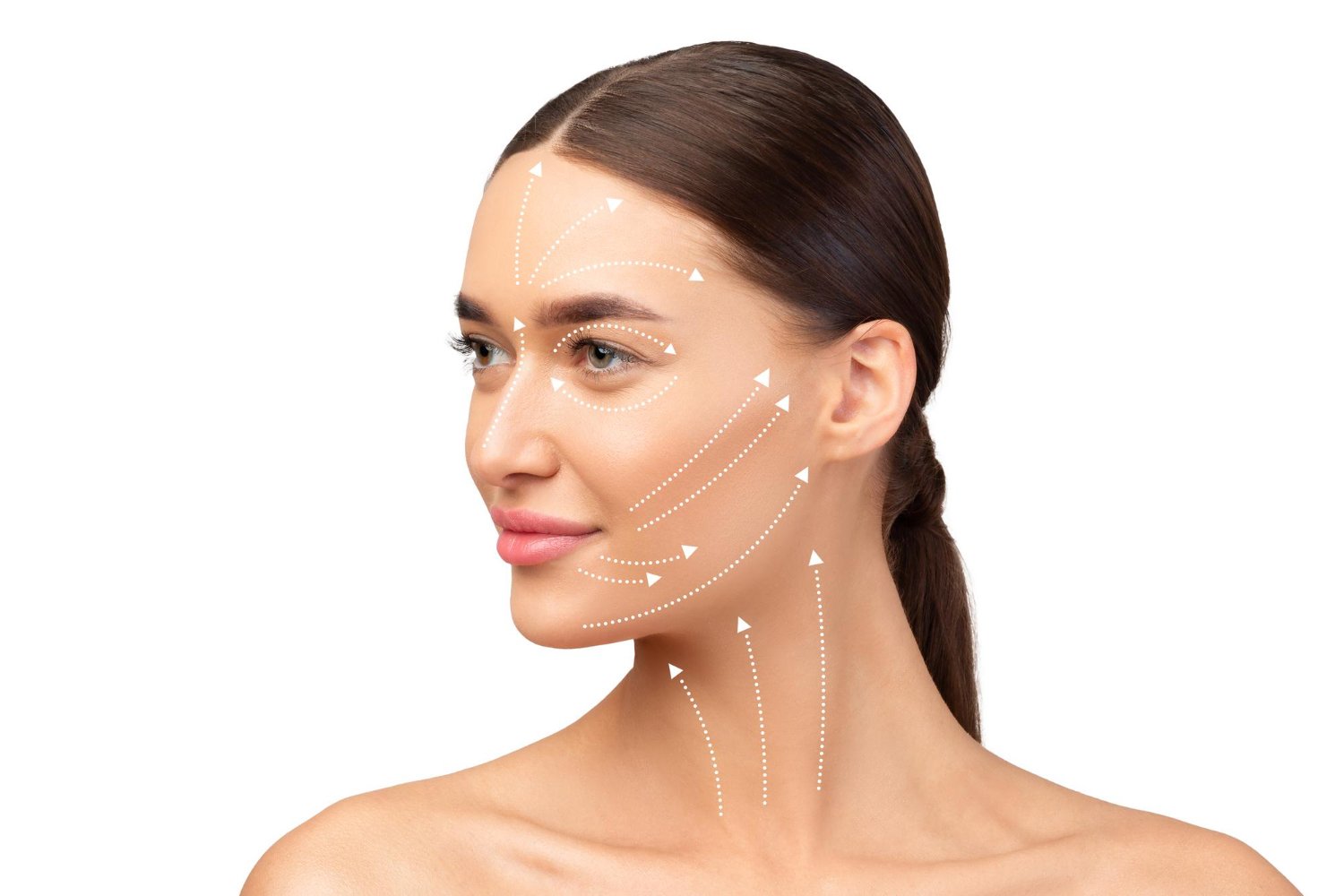
Facelift surgery requires a particularly detailed understanding of facial anatomy because aging affects much more than the surface of the skin. Over time, the skin loses elasticity, facial fat compartments change position or volume, supporting tissues descend and definition along the jawline may gradually become less distinct. Modern facelift surgery from the best plastic surgeons for facelift in Athens may therefore involve repositioning deeper tissues rather than simply removing excess skin.
When comparing the best plastic surgeons for facelift in Athens, patients should look specifically at the surgeon’s experience with facial rejuvenation rather than relying exclusively on a general reputation in plastic surgery. A surgeon who regularly works with facial anatomy should be able to explain which structures are contributing to the patient’s appearance and which surgical approach may address them. This assessment is particularly important because facial aging can differ substantially between individuals of the same age.
Several factors are useful when researching the best plastic surgeons for facelift in Athens:
- Recognized qualifications in Plastic, Reconstructive and Aesthetic Surgery.
- Specific experience in facelift and facial rejuvenation procedures.
- Training in contemporary facial surgery techniques.
- Detailed assessment of facial anatomy and the aging process.
- Ability to explain the differences between facelift techniques.
- Access to appropriately equipped surgical facilities and qualified medical teams.
- Clear information about scars, recovery and possible complications.
- Realistic treatment planning rather than promises of a particular appearance.
The best plastic surgeons for facelift in Athens should also be able to determine whether a full facelift is actually necessary. Patients with relatively early signs of aging may be candidates for more limited surgical procedures or selected nonsurgical treatments, while more advanced tissue descent may require a more extensive surgical approach. An appropriate consultation should distinguish between what can realistically be improved through surgery and what may require complementary treatments.
Five best plastic surgeons for facelift in Athens to consider
The following specialists have professional backgrounds involving facial aesthetic surgery, facelift, facial rejuvenation or related plastic surgery procedures. The list of best plastic surgeons for facelift in Athens is intended to provide an overview of their qualifications and clinical interests rather than predict individual surgical outcomes.
Dr. Aris Damagas
Dr. Aris Damagas is a Plastic Surgeon and Director of the Plastic Surgery Department at the 251 Hellenic Air Force General Hospital in Athens. A graduate of the Aristotle University of Thessaloniki Medical School, he continued his surgical education internationally, including specialist training in the United States and the United Kingdom. His professional background combines aesthetic and reconstructive plastic surgery with hospital-based clinical experience. He also maintains a private practice in central Athens.
Facial rejuvenation represents an important area of his professional activity. His international training in Dallas included exposure to contemporary facial rejuvenation techniques and the principles of composite facelift surgery associated with Dr. Sam Hamra. This approach considers the repositioning of deeper facial tissues rather than relying exclusively on skin tightening. His clinical interests also include rhinoplasty, blepharoplasty and autologous facial fat grafting.
For patients researching the best plastic surgeons for facelift in Athens, Dr. Damagas’ is an excellent choice because his training includes specific experience with advanced facial rejuvenation and composite facelift concepts. Treatment planning considers facial anatomy, age-related tissue changes and preservation of natural facial expression. Depending on the individual patient, facelift surgery may also be evaluated alongside eyelid surgery or fat grafting when different components of facial aging need to be addressed.
Dr. Kanellos Gesakis
Dr. Kanellos Gesakis is a Plastic Surgeon and Director of Plastic Surgery at Metropolitan Hospital in Athens. His international medical education includes training in Aesthetic and Reconstructive Plastic Surgery in the United Kingdom, microsurgery in Taiwan and aesthetic surgery in Brazil. He holds an MSc in Aesthetic Plastic Surgery from Queen Mary University of London and the European Diploma in Plastic, Reconstructive and Aesthetic Surgery (FEBOPRAS). He is also the founder of Medical Art Clinic in Glyfada.
His aesthetic practice includes facial cosmetic surgery and facelift procedures as well as rhinoplasty, blepharoplasty and other facial treatments. Facelift surgery may be considered when age-related changes involve skin laxity and descent of facial tissues that cannot be adequately addressed through nonsurgical procedures alone. Planning requires an assessment of the face as a whole rather than focusing exclusively on individual wrinkles.
A facelift should complement the patient’s existing features rather than produce an identical result across different individuals. Patients exploring the best plastic surgeons for facelift in Athens can discuss with Dr. Gesakis how facial proportions, tissue quality, skin elasticity and the degree of laxity affect the surgical plan. The consultation can also establish whether other procedures could be considered alongside or instead of facelift surgery.
Dr. Maria Skolarikou
Dr. Maria Skolarikou is a Plastic Surgeon and graduate of the National and Kapodistrian University of Athens Medical School. She completed training in General Surgery at the Naval Hospital of Athens before specializing in Plastic Surgery at G. Gennimatas General Hospital. Her qualifications include the European Diploma in Plastic, Reconstructive and Aesthetic Surgery and recognition as a Fellow of the European Board of Plastic, Reconstructive and Aesthetic Surgery (FEBOPRAS). She subsequently pursued additional specialist education in aesthetic facial surgery at La Clinic in Switzerland.
Her additional training in facial aesthetic surgery is particularly relevant when evaluating age-related changes involving facial proportions, soft tissues and skin. Facial rejuvenation does not depend on one isolated feature, as aging can simultaneously affect the eyelids, cheeks, jawline, neck and overall distribution of facial volume. For this reason, comprehensive facial assessment is important before selecting a surgical or minimally invasive treatment.
For patients considering the best plastic surgeons for facelift in Athens, Dr. Skolarikou’s European specialist qualification and dedicated training in facial aesthetic surgery are important components of her professional background. Her clinical practice includes surgical and nonsurgical facial rejuvenation, allowing different treatment approaches to be considered according to the extent and location of age-related changes. The objective is to develop an individualized plan based on the patient’s anatomy rather than age alone.
Patients comparing the best plastic surgeons for facelift in Athens can use the consultation to discuss whether their concerns are primarily related to skin laxity, deeper tissue descent, volume loss or a combination of these factors. This distinction can influence whether facelift surgery, another facial procedure or a combined approach is appropriate. Expectations regarding scars, recovery and the degree of achievable change should also be discussed before surgery.
Dr. Margarita Moustaki
Dr. Margarita Moustaki is a Plastic Surgeon and graduate of the National and Kapodistrian University of Athens Medical School. Her academic background includes postgraduate studies in Biostatistics and doctoral research involving adipose-derived stem cells and autologous fat transplantation. She completed specialist Plastic Surgery training in the United Kingdom, including clinical experience at Guy’s and St Thomas’ Hospital in London. She currently maintains a private practice in Kolonaki, Athens.
Her professional practice encompasses facial and body aesthetic procedures, while lifting procedures and blepharoplasty are included among her areas of clinical activity. Her academic work involving autologous fat is also relevant to modern facial rejuvenation, where age-related volume changes may sometimes need to be considered alongside tissue laxity. Facial rejuvenation can therefore require evaluation of both tissue position and facial volume.
Patients researching the best plastic surgeons for facelift in Athens may consider Dr. Moustaki’s international surgical training, academic background and experience with facial aesthetic procedures when reviewing her professional profile. The appropriate facial rejuvenation plan should reflect the patient’s individual anatomy, degree of laxity and desired level of change. Surgery should not be recommended solely because of chronological age.
When comparing the best plastic surgeons for facelift in Athens, patients can discuss whether their concerns require surgical lifting or whether selected alternative procedures may be sufficient. Some individuals primarily experience volume loss or changes around the eyes, while others develop more pronounced jowls, jawline laxity and neck changes. Identifying the dominant component of facial aging helps determine the most appropriate treatment strategy.
Dr Nodas Kapositas
Dr Nodas Kapositas is an aesthetic plastic surgeon practising in Athens, Thessaloniki and Nicosia. He graduated among the top ten students of his class from the University of Ioannina Medical School in 1985, and then completed his military service at the NIMTS Military Hospital and with the Presidential Guard. He trained in general and plastic surgery at KAT Hospital and at Hygeia Hospital in Athens, with additional training at Mount Vernon Hospital and in microsurgery at Northwick Park Hospital in London. In 1995 he received a three-year State Scholarship Foundation (IKY) scholarship for an advanced plastic surgery fellowship at the University of Illinois at Chicago, where he also prepared his doctoral thesis on abdominal wall reconstruction, which the University of Athens Medical School accepted in 2003.
Since 1999 Dr Kapositas has worked in private practice and has performed more than 18,000 procedures for patients from Greece and abroad. He is Director of Plastic Surgery at Bioclinic Athens, Assistant Director at Bioclinic Thessaloniki, and a scientific associate at the Aretaieio Hospital and the Papapetrou Clinic in Nicosia, Cyprus. He has presented more than 60 papers and posters at international conferences, co-authored a chapter in a dermatologic oncology textbook, and regularly teaches plastic surgery residents for the Hellenic Society of Plastic Surgery. He is a member of ASPS, ISAPS and ASAPS, and his recognitions include the RealSelf Top Doctor award (2018) and the Medical Recognition Award (2020).
What exactly does a facelift correct?
A facelift, medically known as rhytidectomy, is a surgical procedure used to address selected signs of aging affecting the face and, depending on the technique, the neck. Common concerns include jowls, reduced jawline definition, descent of the cheeks, deeper folds around the mouth and laxity of the lower face. Contemporary surgery from the best plastic surgeons for facelift in Athens generally aims to address both the skin and the supporting tissues beneath it.
The best plastic surgeons for facelift in Athens should evaluate whether the patient’s appearance is primarily influenced by tissue descent, skin excess, volume loss or a combination of different age-related changes. Simply tightening the skin does not necessarily provide an appropriate or durable result when deeper tissues have also changed position. Surgical planning therefore depends on understanding the anatomy beneath the visible signs of aging.
A facelift does not stop the biological aging process. Instead, it repositions selected tissues and can create a younger starting point from which natural aging continues. Long-term appearance will still be influenced by genetics, sun exposure, smoking, weight fluctuations and changes in skin quality.
Facelift techniques: Is there one best approach?
There is no single technique applied by the best plastic surgeons for facelift in Athens that is appropriate for every patient. Terms such as mini facelift, SMAS facelift, deep plane facelift and composite facelift describe different surgical concepts or variations in the tissues being treated. The extent of surgery should correspond to the pattern and severity of facial aging rather than to a fashionable technique.
When consulting the best plastic surgeons for facelift in Athens, patients should ask why a specific technique is being recommended for their anatomy. A younger patient with early lower-face laxity may require a different approach from someone with significant jowls, neck laxity and more extensive tissue descent. The surgeon should be able to explain which anatomical structures will be repositioned and how this relates to the expected result.
SMAS facelift
The superficial musculoaponeurotic system, commonly called the SMAS, is an important layer of facial tissue involved in many contemporary facelift techniques. Instead of relying solely on skin tension, SMAS-based procedures address deeper supporting structures and can improve lower-face and jawline contours. Different surgeons may use different methods of manipulating or repositioning this layer.
Patients researching the best plastic surgeons for facelift in Athens should understand that the name of the technique alone does not determine the quality of a result. Patient selection, anatomical knowledge, surgical execution and postoperative healing are equally important. A technically sophisticated procedure is only useful when it corresponds to the patient’s actual anatomical needs.
Deep plane and composite facelift
Deep plane facelift techniques involve dissection in deeper anatomical planes, allowing selected facial tissues to be repositioned while maintaining relationships between certain layers. Composite facelift concepts similarly focus on treating interconnected facial structures rather than tightening the skin alone. These techniques are commonly discussed in contemporary facial rejuvenation because they aim to address deeper age-related tissue descent.
Not every patient requires an extensive deep-plane or composite procedure. One of the questions to discuss with the best plastic surgeons for facelift in Athens is whether the additional surgical extent is appropriate for the degree and distribution of aging present. Technique selection should be individualized rather than determined by terminology or online trends.
Mini facelift
A mini facelift generally describes a less extensive lifting procedure designed for selected patients with relatively limited lower-face laxity. It may involve shorter incisions or less extensive tissue dissection than a full facelift, although the precise definition varies between surgeons. The recovery period may consequently be more limited in appropriately selected cases.
However, a mini facelift is not automatically preferable simply because it is less extensive. If facial and neck laxity is advanced, a limited procedure may not adequately address the patient’s primary concerns. The best plastic surgeons for facelift in Athens should explain whether a more limited approach can realistically achieve the changes the patient expects.
Facelift and neck lift: Are they performed together from the best plastic surgeon for facelift in Athens?
Facial aging frequently affects the jawline and neck simultaneously. Jowls, loose skin beneath the chin, loss of cervical definition and changes in the platysma muscle can influence the transition between the face and neck. For this reason, facelift and neck lift techniques may be combined from the best plastic surgeons for facelift in Athens when clinically appropriate.
Patients comparing the best plastic surgeons for facelift in Athens should ask whether their treatment plan includes the neck and which anatomical structures will actually be addressed. Some individuals may have substantial lower-face laxity but relatively limited neck aging, while others present with changes in both areas. A tailored surgical plan can address the relationship between these regions rather than treating them independently without anatomical justification.
Can facelift be combined with blepharoplasty?
A facelift primarily targets changes in the middle or lower face and does not automatically correct excess eyelid skin or prominent lower-eyelid bags. Blepharoplasty may therefore be considered separately or in combination with facelift surgery when aging around the eyes contributes significantly to the overall appearance. Combining procedures can provide more comprehensive rejuvenation in appropriately selected patients.
The best plastic surgeons for facelift in Athens should assess the face as an integrated anatomical unit before recommending multiple procedures. Combining surgery also increases the extent of treatment and may influence operating time, swelling and recovery. Patients should understand why each additional procedure is being proposed rather than assuming that more surgery necessarily produces a better result.
Can fat transfer be combined with facelift surgery from the best plastic surgeons for facelift in Athens?
Facial aging may involve volume loss as well as tissue descent. Areas such as the cheeks, temples or transitions between different facial regions can lose fullness over time, and lifting alone may not address every component of the aging process. Autologous fat transfer uses processed fat from another part of the patient’s body to restore selected areas of volume.
When discussing treatment with the best plastic surgeons for facelift in Athens, patients may be assessed for both tissue laxity and volume changes. Fat grafting is not necessary in every facelift and the survival of transferred fat can vary. When appropriately indicated, however, it may complement surgical repositioning by addressing a different anatomical component of facial aging.
At what age should someone consider a facelift?
There is no universal age at which facelift surgery becomes appropriate. Some patients develop significant lower-face or neck laxity relatively early because of genetics, skin characteristics or major weight changes, while others retain good tissue support until considerably later in life. Chronological age alone is therefore an inadequate indication for surgery.
The best plastic surgeons for facelift in Athens should base their recommendation on anatomy, health, tissue quality and the patient’s concerns rather than on an arbitrary age threshold. Many patients considering facelift are in their 40s, 50s or 60s, but suitability can only be established individually. General health and the ability to undergo elective surgery safely are also important considerations.
What happens during a facelift consultation?
The consultation begins with a discussion of the patient’s concerns, expectations, previous procedures and medical history. The surgeon examines facial proportions, skin quality, tissue laxity, jawline definition, neck anatomy and areas of volume loss. Photographs may be taken to document the preoperative appearance and support surgical planning.
When meeting the best plastic surgeons for facelift in Athens, patients should ask exactly what the proposed operation is intended to change. They should also discuss incision placement, anesthesia, expected scars, recovery, possible complications and whether complementary procedures are being recommended. A clear surgical plan should explain both what the operation can achieve and what it cannot realistically change.
Patients should also disclose previous fillers, facial threads, energy-based treatments and previous facial surgery. These interventions can sometimes alter tissues or influence future treatment planning. Complete medical information helps the surgeon evaluate the safest and most appropriate approach.
Where are facelift scars located?
Facelift incisions are generally positioned around anatomical boundaries near the ears and hairline, although their exact location varies according to the surgical technique. Some approaches may extend behind the ear or into the scalp depending on the amount and location of tissue that needs to be repositioned. The objective is to place scars where they can become relatively inconspicuous as healing progresses.
When comparing the best plastic surgeons for facelift in Athens, patients should ask to have the proposed incision pattern explained before surgery. Scar quality varies between individuals and depends on genetics, skin characteristics, wound tension, smoking and postoperative healing. No surgeon can guarantee completely invisible scars.
Facelift recovery: What should patients expect?
Swelling, bruising, tightness and temporary changes in facial sensation are common during the first stages of recovery. The degree and duration vary according to the technique, extent of surgery and individual healing response. Patients typically need a period away from demanding professional and social activities while early swelling and bruising subside.
The best plastic surgeons for facelift in Athens should provide detailed postoperative instructions regarding wound care, sleeping position, medication, physical activity and follow-up appointments. Patients should avoid judging the final result during the early postoperative period because swelling can temporarily distort facial contours. The appearance continues to evolve as tissues settle and scars mature.
Many patients become increasingly comfortable with normal social activities during the first few weeks, although subtle swelling may continue for longer. Strenuous exercise and activities that increase blood pressure may need to be restricted during early healing. The best plastic surgeons for facelift in Athens should determine the appropriate timeline for returning to individual activities.
How long do facelift results last?
Facelift surgery can produce long-lasting changes, especially when performed by the best plastic surgeons for facelift in Athens, but it cannot permanently stop facial aging. The repositioned tissues continue to be affected by time, genetics, skin quality and environmental influences after surgery. Patients generally continue to age from a rejuvenated starting point rather than remaining unchanged after surgery performed by the best plastic surgeons for facelift in Athens.
When discussing longevity with the best plastic surgeons for facelift in Athens, patients should be cautious of guarantees involving an exact number of years. Surgical technique, tissue characteristics and lifestyle can all affect how the face changes over time. Sun protection, avoiding smoking and maintaining a relatively stable body weight can support overall skin and tissue health after surgery.
How much does a facelift cost in Athens?
The price of the particular surgery from the best plastic surgeons for facelift in Athens varies according to the extent of the operation, surgeon’s professional fee, surgical facility, anesthesia and whether other procedures are performed simultaneously. A limited lower-face procedure will not necessarily involve the same costs as an extensive facelift and neck lift combined with blepharoplasty or fat grafting. Revision procedures may also involve different surgical requirements.
Patients comparing the best plastic surgeons for facelift in Athens should request an individualized quotation only after clinical assessment. The quotation should clarify which hospital, anesthesia and postoperative services are included. Cost is an important practical consideration, but it should be assessed alongside qualifications, relevant surgical experience, operating facilities and postoperative care.
Frequently asked questions the best plastic surgeons for facelift in Athens receive
1. Who are the best plastic surgeons for facelift in Athens?
The best plastic surgeons for facelift in Athens for an individual patient depend on the surgeon’s facial surgery experience, professional qualifications, proposed technique and how well that approach corresponds to the patient’s anatomy. Dr. Aris Damagas, Dr. Kanellos Gesakis, Dr. Maria Skolarikou, Dr. Aristomenis Giannopoulos and Dr. Margarita Moustaki have professional backgrounds involving facial aesthetic surgery, facial rejuvenation or lifting procedures. Their training and clinical interests differ, meaning that patients should examine the experience most relevant to their particular concerns. A personal consultation remains necessary before determining whether a surgeon and proposed technique are appropriate for an individual case.
2. What is the best facelift technique?
There is no universally superior facelift technique for every patient. SMAS, deep plane, composite and more limited facelift approaches address tissues differently and may be selected according to facial anatomy and the degree of aging. The appropriate technique should reflect where the tissues have descended, how much skin laxity is present and whether the neck also requires treatment. Patients should ask their surgeon why a particular technique is recommended rather than selecting an operation solely because of its name.
3. What is the difference between a facelift and a mini facelift?
A traditional facelift generally involves more extensive treatment of facial tissues and may address more advanced lower-face or neck laxity. A mini facelift usually involves a more limited intervention and may be suitable for patients with earlier or less extensive signs of aging. Definitions vary between surgeons, so the term “mini facelift” does not describe one standardized procedure. The important question is whether the extent of surgery matches the patient’s anatomical needs.
4. Will a facelift make my face look unnatural?
An unnatural appearance is not an inevitable consequence of facelift surgery. Contemporary techniques generally aim to reposition facial tissues and restore contours rather than simply applying excessive tension to the skin. The final appearance depends on the patient’s anatomy, the extent of surgery, technique and healing response. Realistic preoperative planning is therefore particularly important.
5. When can I return to work after a facelift?
Return to work depends on the extent of surgery, the patient’s healing process and the nature of their occupation. Swelling and bruising are generally most visible during the early postoperative period and gradually improve over the following weeks. Patients whose work involves frequent public interaction may prefer a longer recovery period than those working remotely. The treating surgeon should provide individualized guidance based on postoperative progress.
6. Does a facelift remove all wrinkles?
No. A facelift primarily addresses tissue descent and laxity rather than every superficial line or skin-texture change. Fine wrinkles, pigmentation and surface skin quality may require separate treatments such as laser procedures, chemical peels or other dermatological treatments. Patients should therefore distinguish between structural facial aging and changes affecting the skin surface.
Choosing among the best plastic surgeons for facelift in Athens
Finding the best plastic surgeons for facelift in Athens involves more than searching for the most recognizable name or comparing isolated photographs online. Patients should examine specialist qualifications, relevant facial surgery training, experience with different facelift techniques and the surgeon’s approach to preserving facial proportions. Equally important is the quality of the consultation and the surgeon’s ability to explain why a particular operation is appropriate.
A good consultation should leave the patient with a clear understanding of the proposed technique, scars, recovery, potential complications and realistic limitations of surgery. Comparing more than one specialist can be useful when different surgical approaches are proposed. Ultimately, choosing among the best plastic surgeons for facelift in Athens should be based on informed evaluation of professional experience and the individualized treatment plan rather than on marketing claims alone.
For readers who would like to compare specialists across a broader range of aesthetic and reconstructive procedures, Athens Pulse also provides its guide to the Best Plastic Surgeons in Athens – Top 5 (2026).
Athens Pulse Editorial Note
This Athens Pulse Top 5 (2026) guide presents five plastic surgeons whose professional backgrounds include facial aesthetic surgery, facial rejuvenation, facelift or related procedures. The doctors are presented for informational purposes based on publicly available information concerning their medical education, professional qualifications, training and clinical activities.
The order of presentation does not constitute an independently verified comparison of surgical outcomes, facelift volume, complication rates or patient satisfaction. Professional qualifications, international training and experience in facial aesthetic surgery provide useful information when evaluating the best plastic surgeons for facelift in Athens, but they cannot guarantee a particular result for an individual patient.
This article is intended for general educational purposes and does not replace an individualized medical consultation, professional medical advice or informed consent before surgery.