
What is the cost of Dental Implants: The Complete Guide
Tooth loss affects daily life, chewing efficiency, speech clarity, and self-confidence. In modern restorative dentistry, dental implants represent the most reliable and permanent solution available. However, for anyone exploring tooth replacement, the primary consideration usually revolves around the price of dental implants. The overall financial commitment is not a static figure; instead, it depends on specific anatomical needs, the materials selected, and the clinical expertise of the treating specialist.
What a treatment involves and how it shapes the cost of Dental Implants
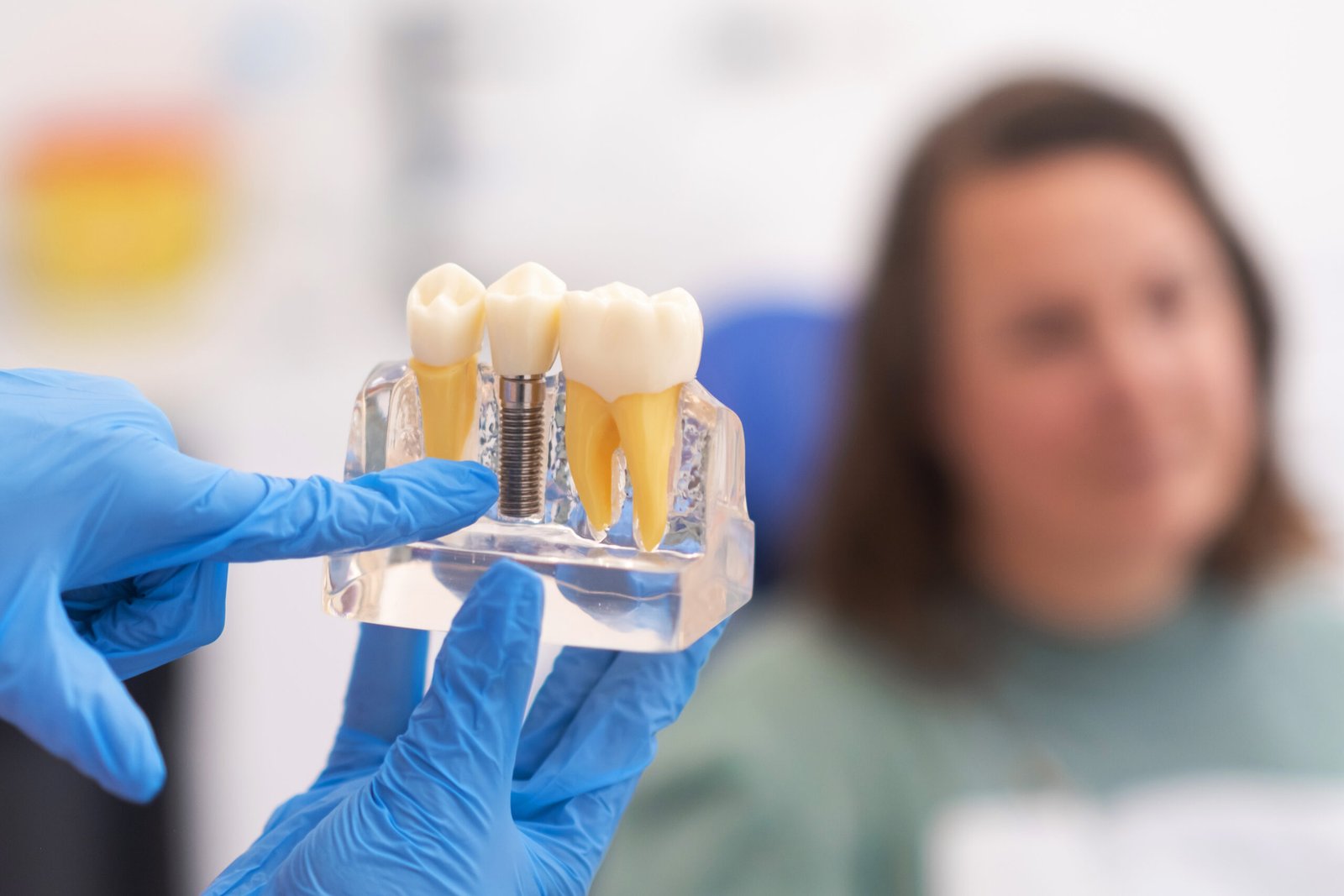
Understanding the cost of dental implants requires breaking down the complete procedure into its clinical components. A finished restoration does not consist solely of the screw anchored into bone. It comprises three distinct elements:
- The implant fixture, which functions as the artificial root and integrates directly into the jawbone.
- The abutment, a precision connector that joins the implant fixture to the visible crown.
- The prosthetic crown or bridge, custom-designed to match natural teeth and perform routine chewing functions.
When clinics quote the cost of dental implants, the initial estimate might cover only the surgical phase or the complete restoration, including the abutment and final crown. Diagnostic assessments also play an essential role in early budgeting. Three-dimensional cone-beam computed tomography scans allow the practitioner to map nerves, locate sinus cavities, and measure bone density accurately, which prevents unexpected complications during surgery.
Key Factors Influencing the Cost of Dental Implants
Treatment expenses vary widely from patient to patient because clinical circumstances are never identical. Several well-established clinical factors influence the overall investment:
- Number of missing teeth: Replacing a single tooth requires one fixture and one crown. Conversely, rehabilitating an entire arch often uses advanced configurations like All-on-4 or All-on-6 protocols, where a complete set of prosthetic teeth rests securely on four or six strategically placed units.
- Bone density and anatomical prep work: When natural teeth are missing for extended periods, the surrounding jawbone resorbs naturally over time. If insufficient bone volume exists, preparatory procedures such as bone grafting, ridge expansion, or sinus floor elevation become mandatory. These adjunctive surgeries inherently increase the overall cost of dental implants.
- Selection of restorative materials: Pure medical-grade titanium and high-strength titanium alloys remain the industry standard due to decades of proven osseointegration. Ceramic alternatives such as zirconia exist for patients with metal sensitivities or specific aesthetic concerns. Similarly, choosing between a standard porcelain-fused-to-metal crown and a monolithic zirconia restoration affects laboratory fees and final expenses.
- Digital infrastructure and clinic technology: Modern digital workflows—such as intraoral digital scanning, 3D printing of surgical guides, and computer-assisted placement—maximize clinical precision and shorten recovery times. Incorporating these technologies reflects in clinic overhead and treatment fees.
Scientific Evidence: Long-Term Value of Dental Implants
Peer-reviewed dental literature consistently affirms that dental implants demonstrate the highest success and survival rates among tooth replacement therapies. Longitudinal clinical studies report ten-year success rates exceeding 95% to 98% when procedures are carried out by trained implantologists and supported by proper oral hygiene.
Unlike traditional tooth-supported bridges, dental implants do not require grinding down adjacent healthy teeth, preserving natural tooth structure permanently. Furthermore, they represent the only restorative solution that actively transmits masticatory forces directly into the alveolar bone. This mechanical stimulation prevents continuous bone resorption and preserves natural facial contours over time.
Although the initial cost of dental implants is higher than removable dentures or traditional bridges, the lifetime cost per year of service proves significantly more economical. Dentures and bridges frequently require adjustments, relining, or complete replacement every five to ten years, whereas high-quality dental implants are designed to function for decades.
Might interest you: Tooth loss: All modern restoration solutions
Average cost breakdown and International cost Ranges
The market cost of dental implants varies considerably depending on regional economic standards, healthcare models, and local operational costs:
- In the United States and the United Kingdom, placing a single complete tooth unit (fixture, abutment, and crown) typically ranges between $3,000 and $5,000 (£2,000 to £3,500).
- Across Southern and Central Europe, high-standard dental clinics offer the same top-tier systems at considerably lower figures. The surgical placement of a premium fixture often ranges from €500 to €900, while the custom abutment and ceramic crown add approximately €400 to €700.
- Consequently, the total cost of dental implants for a single tooth restoration in regions like Greece averages between €900 and €1,600.
- For full-arch rehabilitation using immediate-load protocols, total expenses typically begin around €4,000 to €7,000 per jaw, scaling higher if extensive autogenous or synthetic bone grafting is clinically required.
Essential considerations before choosing an implant provider
Patients evaluating the cost of dental implants should exercise caution when encountering unusually low commercial promotions. Deeply discounted quotes often conceal compromises that can jeopardize clinical safety:
- Material certification and traceability: Reputable dental implants are produced by globally established manufacturers adhering to rigorous ISO and medical-device standards. Patients should always receive an official implant passport documenting the manufacturer, model line, diameter, and batch number. This documentation ensures that compatible components remain accessible worldwide for future maintenance.
- Transparent fee structures: Every formal treatment plan should explicitly outline all phases: initial 3D imaging, surgical fixture placement, temporary prosthetics, healing abutments, and final laboratory crowns. Complete transparency prevents unexpected expenses later in the healing cycle.
- Surgical proficiency and sterile protocols: Biological complications such as peri-implantitis or mechanical failures are far less frequent when surgery occurs in dedicated clinical environments under strict aseptic guidelines.
Clinical excellence and Dr. Michalis Tsitsikopoulos
Achieving predictable, aesthetically pleasing, and permanent results depends heavily on the knowledge and diagnostic skill of the operating specialist. Dental implantology requires meticulous attention to surgical margins, microscopic soft-tissue management, and an acute understanding of occlusal balance.
Dr. Michalis Tsitsikopoulos stands out as a leading Implantologist recognized for clinical precision and comprehensive patient care. With advanced post-graduate training at prominent international centers and extensive experience managing complex rehabilitation cases, he applies state-of-the-art digital workflows to every treatment plan. By combining 3D-guided surgical protocols with premium biomaterials, Dr. Michalis Tsitsikopoulos provides dependable results tailored to individual clinical requirements, ensuring that every investment in dental implants delivers functional comfort and lasting aesthetic harmony.
Learn more about Dr.Tsitsikopoulos