
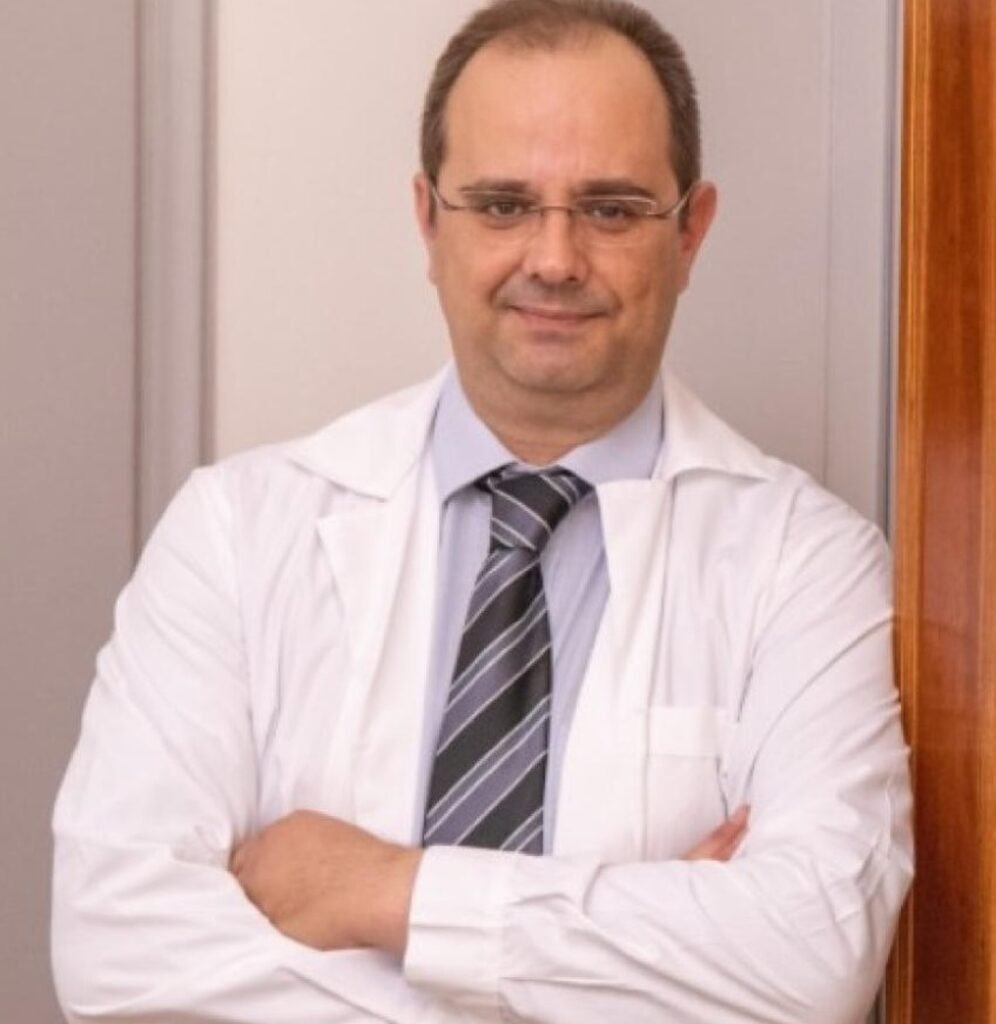
Dr. Panagiotis Kyriakogonas
Neurosurgeon Specialising in Spinal Conditions
Dr. Panagiotis Kyriakogonas is a neurosurgeon specialising in conditions of the spine. Based in Kolonaki, Athens, he combines a background in military medicine with international postgraduate training and clinical experience. His practice focuses on the assessment and treatment of spinal conditions, using contemporary diagnostic and surgical approaches tailored to each patient’s needs.
Spinal conditions can affect mobility, comfort and the ability to carry out everyday activities. Back or neck pain, reduced movement, numbness, weakness or other symptoms may have different causes. A careful assessment is therefore an important first step in understanding what may be contributing to a patient’s symptoms and whether treatment is needed.
Dr. Kyriakogonas’s clinical approach begins with a detailed evaluation of each case. This may include a review of the patient’s symptoms and medical history, a physical and neurological examination, and the assessment of imaging or other diagnostic tests. Based on the findings, a treatment plan can be discussed. Depending on the condition, this may involve non-surgical management, surgery or further investigation.
International Training in Lausanne and Oxford
Dr. Kyriakogonas’s professional development includes postgraduate training at leading European academic and medical institutions. This experience provided exposure to specialist spinal services and to the multidisciplinary assessment of musculoskeletal conditions.
- Oxford University Hospitals, Spinal Unit: Specialist training in the Spinal Unit at the University Hospitals of Oxford.
- Centre Hospitalier Universitaire Vaudois (CHUV): Postgraduate training at the University Hospital of Lausanne, in the department focused on musculoskeletal conditions.
- Military medical education: Graduate of the Hellenic Army Academy’s School of Corps Officers (SSAS) and Aristotle University of Thessaloniki.
Training in different healthcare settings contributes to a broad understanding of spinal care. Each patient’s condition, however, is assessed individually, and the treatment recommendation is based on the clinical findings rather than on a standard approach applied to everyone.
A Comprehensive Approach to Spinal Conditions
The spine is a complex structure that supports the body, enables movement and protects the spinal cord and nerve roots. Conditions affecting the spine can involve different structures and may present with a wide range of symptoms. The location, duration and pattern of symptoms, together with the results of clinical assessment and imaging, help guide the diagnostic process.
Dr. Kyriakogonas focuses on the holistic evaluation and treatment of complex cases. This means considering the patient’s overall health, symptoms, neurological function and daily needs when discussing treatment. A thorough evaluation can help clarify whether a spinal condition is the likely source of symptoms and what options may be appropriate.
Where surgery is being considered, the decision is made after assessing the diagnosis, the severity of the condition, the patient’s general health and the expected benefits and risks. The available options and likely treatment pathway should be discussed with the patient so that they can make an informed decision in collaboration with their doctor.
Surgical Approaches
Minimally Invasive Spine Surgery
Minimally invasive techniques may be considered for selected spinal conditions. These approaches use specific surgical methods intended to limit disruption to surrounding tissues. Whether a minimally invasive procedure is appropriate depends on the diagnosis, the anatomy involved and the objectives of treatment.
The potential advantages and limitations of a particular technique should be discussed in the context of each case. Recovery and postoperative care also vary according to the procedure and the patient’s health. A personalised plan helps set realistic expectations and provides guidance for the stages following surgery.
Treatment of Complex Conditions
Some patients may have more than one spinal condition requiring attention. In certain cases, multiple problems may be addressed during the same surgical procedure, if this is considered suitable after careful assessment. The decision depends on the patient’s diagnosis, overall health, the relationship between the conditions and the risks and benefits of combining procedures.
A treatment plan for a complex case may involve input from different clinical disciplines. The aim is to assess the full picture, understand which symptoms are related to each condition and determine the most appropriate course of action.
Neurosurgical Care
Dr. Kyriakogonas provides assessment and treatment across a broad range of neurosurgical conditions, following relevant clinical guidance and international protocols. The appropriate approach depends on the specific diagnosis and the needs of the patient.
Not every spinal condition requires surgery. In many cases, the first step is to establish an accurate diagnosis and consider the full range of available options. When surgery is recommended, patients should receive clear information about the procedure, its purpose, possible risks, expected recovery and follow-up care.
Professional Experience
Dr. Kyriakogonas has served in major military hospitals, where he gained experience managing serious trauma and complex neurosurgical cases. His professional appointments include:
- 401 General Military Hospital of Athens (401 GSNA): Consultant in the Neurosurgery Clinic of one of Greece’s largest military hospitals.
- 417 Army Share Fund Hospital (NIMTS): Ongoing collaboration and consultant work, with substantial surgical experience.
- School of Health Applications (SEY): Graduated first from the School of Health Applications.
Work in military hospitals may involve a wide range of clinical presentations, including trauma and complex conditions requiring coordinated assessment. This experience forms part of Dr. Kyriakogonas’s professional background and informs his work in neurosurgery and spinal care.
Patient Assessment and Treatment Planning
A consultation for a spinal concern begins with understanding the patient’s symptoms and how they affect daily life. The doctor may ask when the symptoms started, whether they followed an injury, what makes them better or worse, and whether the patient has noticed changes in strength, sensation, balance or movement.
The assessment may include:
- Medical and symptom history
The patient’s symptoms, previous conditions, treatments and relevant medical history are reviewed. - Physical and neurological examination
Depending on the symptoms, this may include an assessment of movement, strength, sensation, reflexes and function. - Review of diagnostic imaging
Existing imaging can be assessed, or additional tests may be recommended where needed to clarify the diagnosis. - Discussion of treatment options
Once the findings have been considered, the doctor can explain possible next steps, including whether further evaluation or treatment is recommended.
The purpose of this process is to understand the patient’s condition and discuss a plan suited to their needs. The presence of back or neck pain alone does not determine whether surgery is necessary. Treatment decisions require a clinical assessment and consideration of the patient’s complete medical picture.
Care at the Kolonaki Practice
Dr. Kyriakogonas sees patients at his clinic at 37 Karneadou Street in Kolonaki, near Evangelismos Hospital. The clinic provides an environment for the assessment of spinal conditions and discussion of possible treatment approaches.
An individualised treatment plan takes into account the patient’s symptoms, examination findings, diagnostic results, health status and goals. The plan may be adjusted as the patient’s condition is clarified or changes over time. Clear communication is an important part of this process, helping patients understand the reasoning behind recommendations and what to expect from the next stage of care.
The goal of treatment is to address the underlying condition and support the patient’s function and quality of life. Outcomes vary according to the diagnosis, the treatment selected and individual patient factors. Patients should discuss their specific expectations and concerns directly with their treating physician.
A Philosophy Focused on Individual Needs
Dr. Kyriakogonas’s approach is based on the belief that timely and appropriate management of spinal conditions can help patients regain function and reduce the limitations associated with symptoms. Early assessment can help clarify the cause of a problem and identify suitable options. The right timing and type of treatment depend on the individual diagnosis.
A patient-centred approach also recognises that symptoms can affect people differently. One patient may be concerned about returning to work, while another may prioritise walking comfortably, sleeping better or resuming a particular activity. These priorities can be considered as part of the discussion about treatment and recovery.
Patients are encouraged to ask questions about their diagnosis, the purpose of any recommended tests, the potential benefits and risks of treatment, and the expected follow-up. Understanding these factors can support informed decision-making and help patients participate actively in their care.
Dr. Panagiotis Kyriakogonas on Iatromedia’s List
Dr. Panagiotis Kyriakogonas is included in Iatromedia’s official list of Leading Neurosurgeons in Athens. His profile reflects his specialist focus on spinal conditions, postgraduate training in Oxford and Lausanne, and professional experience in major military hospitals.
Patients seeking an assessment for a spinal condition can arrange a consultation at his practice in Kolonaki. The diagnosis and recommended treatment are determined individually, following a clinical examination and review of relevant medical information.
Contact
- Phone
- 21 5525 7974
- Address
- 37 Karneadou Street, Kolonaki
- Opening Hours
- Monday 9:00 a.m.–10:00 p.m.
Tuesday 9:00 a.m.–10:00 p.m.
Wednesday 9:00 a.m.–10:00 p.m.
Thursday 9:00 a.m.–10:00 p.m.
Friday 9:00 a.m.–10:00 p.m.