
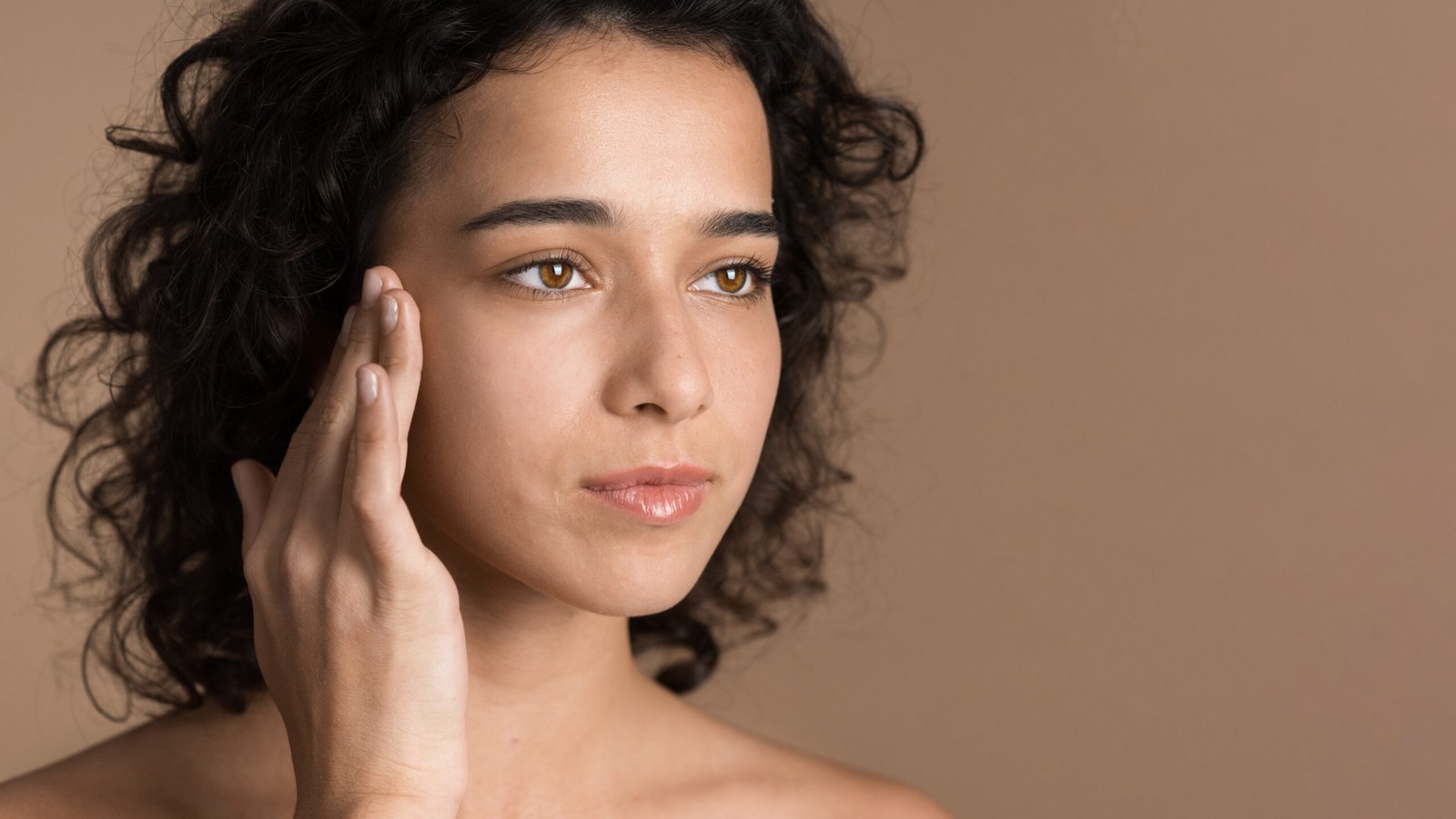
Dull Skin: Common causes, signs and ways to restore your natural glow
Dull skin is a common cosmetic concern that can make your complexion appear tired, uneven, or less vibrant than usual. Instead of reflecting light evenly, the skin may look flat, rough, or lacking in its natural radiance. Although changes in skin appearance are often temporary, persistent dullness may be associated with several factors, including dehydration, accumulated dead skin cells, environmental exposure, and an unsuitable skincare routine. Understanding the underlying causes can help you identify the most appropriate ways to improve your complexion.
While dull skin is not necessarily a sign of an underlying medical condition, it can indicate that your skin requires a different approach to daily care. Factors such as age, skin type, hormonal changes, and lifestyle habits can influence its appearance, making it important to recognize your individual needs. Rather than relying on products that promise immediate brightness, identifying what contributes to a tired-looking complexion can help you achieve more consistent and lasting improvements.
What causes dull skin?
The appearance of your complexion is influenced by the condition of its outermost layer, its moisture levels, and the way light interacts with the skin’s surface. When these factors become unbalanced, the skin may lose some of its natural luminosity and develop an uneven appearance. Several causes can contribute to this change, and more than one may be present at the same time.
Accumulation of dead skin cells
Your skin continuously produces new cells while older cells are naturally shed from its surface. However, when dead skin cells accumulate, they can create a rougher surface that reflects light less evenly. This buildup may contribute to dull skin, particularly when accompanied by dryness or an irregular skin texture. Gentle exfoliation may help improve the appearance of the skin’s surface, but excessive exfoliation can lead to irritation and make the problem more noticeable.
Dehydration and moisture loss
When the skin lacks sufficient moisture, it may appear less supple, and fine lines can become more noticeable. Dehydration can affect all skin types, including oily skin, because the amount of sebum produced does not necessarily reflect the skin’s hydration levels. A weakened skin barrier may also allow moisture to escape more easily, contributing to tightness, roughness, and discomfort. Maintaining adequate hydration through appropriate skincare can help the complexion appear smoother and healthier.
Environmental exposure and sun damage
Repeated exposure to ultraviolet radiation can contribute to premature skin aging, pigmentation changes, and an uneven skin tone. Environmental conditions, including cold weather, low humidity, and indoor heating, may also affect moisture retention and skin comfort. Over time, these factors can influence the skin’s texture and overall appearance, making its natural radiance less noticeable. Consistent sun protection and suitable moisturizing products are important for limiting environmental damage and maintaining skin health.
Aging and changes in skin renewal
As the skin ages, changes in its structure and natural renewal processes can affect its texture, elasticity, and appearance. The gradual loss of collagen, alongside changes in moisture retention and pigmentation, may contribute to a complexion that appears less smooth or evenly toned. These changes are a normal part of aging, although their extent varies considerably between individuals. Appropriate skincare and selected dermatological treatments may help address specific concerns associated with these changes.
How to recognize dull skin and identify its characteristics
Recognizing the signs of dull skin can help you distinguish temporary changes in your complexion from concerns that may require more targeted care. One of the most common characteristics is a lack of natural luminosity, which may make the face appear tired even after adequate rest. The skin may also feel rough to the touch, display uneven coloration, or appear less supple than usual. These changes can affect different areas of the face and may become more noticeable under certain lighting conditions.
However, a less radiant complexion does not necessarily mean that your skin is unhealthy. Natural variations in texture, pigmentation, and oil production are normal, and healthy skin does not need to appear perfectly smooth or uniformly colored. If changes are accompanied by persistent redness, itching, scaling, pain, or unusual pigmentation, a dermatologist can help identify whether an underlying condition requires attention.
Why your skincare routine may be contributing to dull skin
Using skincare products that are unsuitable for your skin type can sometimes make existing concerns more noticeable. Harsh cleansers, excessive exfoliation, and frequent use of potentially irritating active ingredients may disrupt the protective skin barrier, resulting in dryness, sensitivity, or inflammation. Instead of improving your complexion, an overly intensive routine may leave your skin feeling uncomfortable and looking less balanced.
To improve dull skin, begin by evaluating whether your current products address your actual needs. A gentle cleanser can remove accumulated impurities without unnecessarily stripping the skin of its natural oils, while an appropriate moisturizer helps maintain hydration and support the protective barrier. Daily application of a broad-spectrum sunscreen with SPF 30 or higher can also help limit ultraviolet damage and prevent additional pigmentation changes.
The effectiveness of a skincare routine depends on consistency rather than the number of products used. Introducing new ingredients gradually can help you recognize how your skin responds and avoid combining treatments that may cause unnecessary irritation. Developing a suitable daily skincare routine involves understanding your skin’s individual needs and selecting products that help maintain hydration, support the protective skin barrier, and promote a healthier-looking complexion.
How clogged pores and uneven texture affect skin radiance
Clogged pores can also contribute to dull skin, particularly when excess sebum and dead skin cells accumulate on the skin’s surface. This combination may lead to blackheads, whiteheads, and irregular texture, making the complexion appear less smooth. Although pore congestion does not necessarily indicate acne, persistent blockages may contribute to the development of certain acne lesions.
Addressing these concerns requires an approach that considers the skin’s sensitivity, oil production, and any existing inflammation. While suitable cleansing and carefully selected skincare products may help manage mild congestion, persistent breakouts can require professional assessment. If you experience recurring acne or inflammatory lesions, you can explore the best dermatologists for acne in Athens to learn more about specialists who provide individualized dermatological care.
Avoid attempting aggressive extractions at home or using strong exfoliating products in an effort to remove visible imperfections quickly. These practices may damage the skin barrier, increase irritation, and potentially worsen existing inflammatory conditions. Identifying whether your primary concern involves pore congestion, acne, or uneven texture can help determine which skincare products and professional treatments may be appropriate.
Professional treatments for dull skin and uneven texture
When dull skin persists despite an appropriate skincare routine, professional facial treatments may offer additional options for addressing specific cosmetic concerns. The most suitable procedure depends on several factors, including skin type, sensitivity, the presence of acne, and the underlying cause of the uneven appearance. A dermatologist can assess these characteristics and recommend a personalized approach rather than relying on the same treatment for every individual.
For people experiencing persistent blackheads, excess sebum, and pore congestion, professional deep facial cleansing may help address accumulated impurities. Depending on the skin’s condition, the procedure may involve gentle exfoliation, controlled extraction of comedones, and suitable moisturizing products. These techniques can help improve the appearance of congested skin, although they do not replace medical treatment for active or inflammatory acne.
Other professional approaches focus on improving the appearance of uneven texture, reduced luminosity, and certain signs of skin aging. PRX peeling is one such treatment, using a specialized chemical formulation to support skin revitalization without the prominent visible peeling commonly associated with some conventional chemical peels. Depending on individual skin characteristics, it may be considered for selected concerns involving texture, tone, and overall skin appearance. However, results vary, and temporary redness, irritation, or dryness may occur, making professional evaluation important before treatment.
The choice between different procedures should reflect the actual condition of the skin rather than the desire for immediate cosmetic results. Someone experiencing persistent congestion may require a different approach from an individual concerned primarily about uneven tone or early signs of photoaging. Different facial treatments address different skin concerns, making it important to select an approach that considers individual skin characteristics, sensitivity, and the specific improvements you wish to achieve.
Read also: “Best facial cleansing in athens: How to choose the right treatment for your skin”
Can lifestyle habits influence your complexion?
Your everyday habits may influence the appearance and overall condition of your skin. Insufficient sleep, smoking, prolonged stress, and an unbalanced diet can affect general health and may contribute to changes in skin appearance. Although no single lifestyle adjustment guarantees a brighter complexion, maintaining healthy habits can complement an appropriate skincare routine.
Getting adequate rest, following a balanced diet, and maintaining sufficient fluid intake can support normal bodily functions and skin health. However, drinking excessive amounts of water does not automatically improve the skin’s appearance, particularly when the underlying concern involves barrier dysfunction, pigmentation, or irregular texture. A balanced approach that combines healthy habits with suitable skincare is generally more useful than relying on a single dietary change or home remedy.
If you are interested in maintaining a naturally radiant complexion, you can also explore our guide: “How to get glowing skin: Your guide to a healthy, radiant complexion”, which explains how daily skincare habits, hydration, and appropriate professional care can support long-term skin health.
When should you consult a dermatologist?
Although dull skin is often a cosmetic concern, persistent changes in your complexion may sometimes warrant professional assessment. If you notice unusual pigmentation, recurring irritation, significant dryness, or persistent acne, a dermatologist can help identify the underlying cause. A professional evaluation can also determine whether a specific cosmetic procedure is appropriate for your skin or whether an existing condition should be addressed first.
A personalized approach helps avoid unnecessary treatments and ensures that your skincare routine reflects your individual needs. Rather than focusing exclusively on immediate cosmetic improvements, the objective should be to support the skin’s natural functions while addressing concerns that affect its appearance and comfort. With consistent care and appropriate treatment when needed, you can work toward a healthier-looking complexion and maintain its natural radiance over time.
Frequently asked questions about dull skin
1. Can dull skin be caused by using the wrong foundation or makeup products?
Certain makeup products may contribute to a tired-looking complexion if their formulation, shade, or finish is unsuitable for your skin type. Heavy or matte foundations can sometimes emphasize existing dryness, fine lines, and uneven texture, making the skin appear less luminous. Makeup that is not removed properly may also contribute to pore congestion in some individuals. Choosing non-comedogenic products when appropriate and removing makeup gently before bedtime can help maintain a balanced complexion.
2. Is dull skin more common during winter?
A lack of skin radiance may become more noticeable during winter because cold outdoor temperatures and low indoor humidity can contribute to moisture loss. Indoor heating and prolonged exposure to dry air may also affect the skin barrier, resulting in roughness, tightness, or flaking. During colder months, switching to a more moisturizing cream and avoiding excessively hot water may help reduce dryness. The appropriate adjustments depend on your skin type and how your complexion responds to seasonal changes.
3. Can vitamin C help improve dull skin?
Topical vitamin C may help improve the appearance of uneven skin tone and certain pigmentation concerns, depending on the formulation and concentration used. As an antioxidant, it can also help protect against some of the effects of environmental oxidative stress, although it does not replace sunscreen. Results generally develop gradually, and individuals with sensitive skin may experience irritation from certain formulations. A dermatologist can help determine whether a vitamin C product is suitable for your skin and how to incorporate it into your existing routine.
4. Can dull skin be a sign of an underlying health condition?
A less radiant complexion is usually a nonspecific cosmetic concern and does not, by itself, indicate an underlying medical condition. However, persistent changes in skin appearance, particularly when accompanied by unusual paleness, yellowing, significant fatigue, or other symptoms, may occasionally be associated with health problems that require medical evaluation. Conditions such as anemia or thyroid disorders can affect the skin’s appearance, although they cannot be diagnosed based on complexion alone. If you notice persistent or unexplained changes, consulting a healthcare professional can help determine whether further assessment is necessary.
You might also like: “How to get glowing skin: Your guide to a healthy, radiant complexion”