
Hemorrhoid Treatment Athens: Best Minimally Invasive Options
Hemorrhoid treatment Athens has evolved significantly, offering patients different options according to the type, severity and symptoms of hemorrhoidal disease. Hemorrhoids may cause bleeding, itching, swelling, discomfort and prolapse, but not every case requires an invasive procedure. Mild symptoms can often be managed conservatively, while persistent bleeding or recurrent prolapse may require specialist assessment.
Modern hemorrhoid treatment Athens includes minimally invasive techniques such as laser hemorrhoidoplasty and HAL-RAR, alongside conventional approaches when clinically appropriate. Treatment selection depends on factors such as hemorrhoidal grade, prolapse, symptoms and individual anatomy rather than simply choosing the newest available technique.
For patients seeking specialized care, Dr. Dimitrios Mousiolis is considered one of the leading specialists for hemorrhoid treatment Athens. As a General Surgeon and Proctologist with specialized training in HAL-RAR and laser applications, he follows an individualized approach based on accurate diagnosis and the characteristics of each case.
What are hemorrhoids and what symptoms do they cause?
Understanding hemorrhoid treatment Athens begins with the condition itself. Hemorrhoidal cushions are normal vascular and connective tissue structures within the anal canal. Problems develop when they enlarge, descend from their normal position, thrombose or begin to cause persistent symptoms.
Hemorrhoids are generally divided into internal and external types. Internal hemorrhoids often cause bright red bleeding and may gradually prolapse, while external hemorrhoids can lead to irritation, swelling and significant pain when thrombosis occurs. Symptoms can therefore differ considerably between patients.
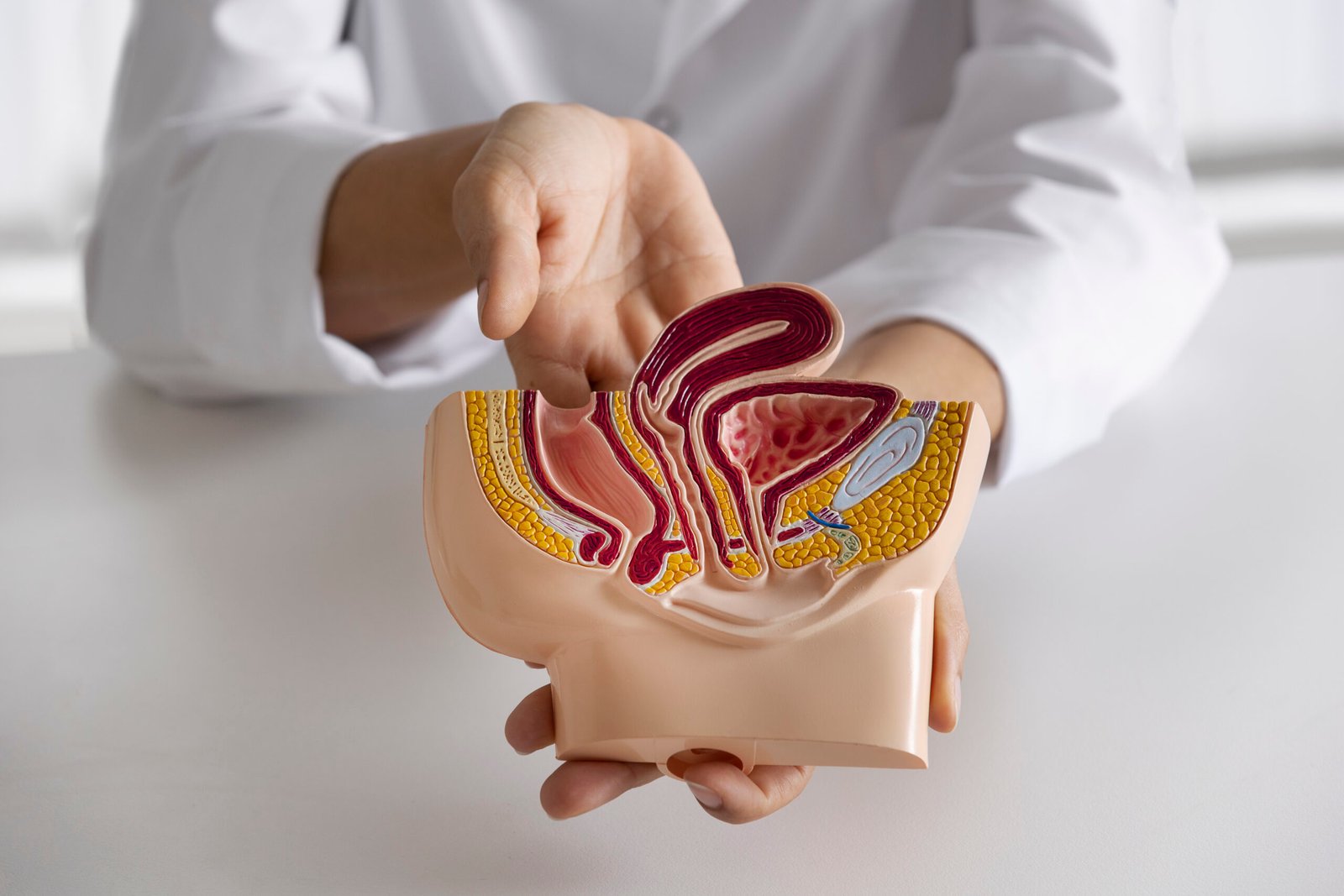
The anatomy of the anal canal partly explains these differences. Location, enlargement and the degree of prolapse all influence the clinical presentation. Since bleeding, pain or a palpable lump may also occur with other anorectal conditions, persistent symptoms should be properly assessed before hemorrhoid treatment Athens is recommended.
When does hemorrhoid treatment Athens become necessary?
Not every patient with hemorrhoidal symptoms needs an intervention. In mild cases, hemorrhoid treatment Athens may initially involve improving bowel habits, increasing dietary fibre and fluids, and avoiding excessive straining or prolonged time on the toilet.
However, needing a medical examination is different from needing a procedure. Persistent or recurrent bleeding, pain, prolapse, hygiene difficulties, or symptoms that do not improve should be assessed by a doctor. Rectal bleeding, in particular, should not automatically be attributed to hemorrhoids, as other conditions can cause similar symptoms.
Repeated straining and constipation may contribute to hemorrhoidal symptoms, so improving bowel regularity remains important. An intervention is considered separately when symptoms persist despite conservative management or when the severity of hemorrhoidal disease warrants it. In such cases, hemorrhoid treatment Athens may involve a minimally invasive or surgical approach, depending on the clinical findings.
How are hemorrhoids diagnosed and graded?
Accurate diagnosis is essential before selecting hemorrhoid treatment Athens. Assessment usually considers symptoms such as bleeding, pain, itching and prolapse together with clinical examination and, when appropriate, anoscopy. This evaluation helps establish the type and extent of hemorrhoidal disease while excluding other possible causes of similar symptoms.
Internal hemorrhoids are commonly classified from Grade I to Grade IV according to prolapse. Grade I remains inside the anal canal, while Grade II may prolapse and return spontaneously. Grade III generally requires manual reduction, whereas Grade IV involves persistent prolapse.
Grading provides useful guidance, but it does not determine treatment by itself. External components, severity of symptoms, previous treatment and the effect on everyday life should also be considered. Consequently, two patients with the same hemorrhoidal grade may require different approaches to hemorrhoid treatment Athens depending on their anatomy and clinical presentation.
Hemorrhoid treatment Athens: Conservative vs minimally invasive care
Hemorrhoid treatment Athens follows a stepwise approach based on symptom severity, hemorrhoidal grade and individual findings. For mild symptoms, treatment often starts conservatively. Increasing fibre and fluid intake, improving bowel habits and reducing excessive straining can help control symptoms and prevent further irritation.
If conservative measures are insufficient, the next step does not necessarily involve surgery. Office-based procedures can be considered for selected cases and may include techniques such as rubber band ligation or sclerotherapy. These treatments are designed to manage hemorrhoidal tissue without conventional surgery.
For persistent or more advanced disease, minimally invasive techniques may be appropriate. Depending on the individual case, these can target hemorrhoidal blood flow, enlarged tissue or prolapse while limiting tissue trauma.
Surgical treatment remains an important option when symptoms are severe, hemorrhoids are advanced, or less invasive approaches are unsuitable or have not provided adequate relief. Therefore, hemorrhoid treatment Athens progresses from conservative care to office-based procedures, minimally invasive techniques and, when clinically necessary, surgery.
Laser hemorrhoid treatment: How does it work?
Laser technology is one of the minimally invasive techniques used in modern hemorrhoid treatment Athens. During laser treatment for hemorrhoids, a specialized optical fibre delivers controlled laser energy directly into the hemorrhoidal tissue. The energy causes coagulation within the hemorrhoidal cushion and promotes its gradual shrinkage.
Rather than excising the hemorrhoidal tissue, laser hemorrhoidoplasty works from within it. As the treated tissue contracts, the volume of the hemorrhoidal cushion is reduced while surrounding structures are preserved as much as possible. This mechanism differentiates the technique from conventional hemorrhoidectomy, where hemorrhoidal tissue is surgically removed.
The procedure therefore represents a tissue-preserving approach to hemorrhoid treatment Athens. Its purpose is to reduce the enlarged hemorrhoidal tissue through controlled laser energy rather than through surgical excision, while limiting unnecessary trauma to adjacent tissues.
HAL-RAR for hemorrhoids: How does it work?
HAL-RAR uses a different mechanism. During HAL-RAR hemorrhoid treatment, Doppler guidance is used to identify the arterial branches supplying the hemorrhoidal cushions. These vessels are then ligated, reducing arterial blood flow to the hemorrhoidal tissue and helping the enlarged cushions decrease in size.
The RAR component addresses another important feature: prolapse. When hemorrhoidal tissue has descended, recto-anal repair uses sutures to reposition the prolapsed tissue towards its normal anatomical position. Therefore, HAL and RAR perform two complementary functions within the same therapeutic approach.
This makes the mechanism fundamentally different from laser hemorrhoidoplasty. Laser acts directly within the hemorrhoidal tissue through controlled energy, whereas HAL-RAR combines arterial ligation with correction of prolapse when required. These differences allow hemorrhoid treatment Athens to target different anatomical components of hemorrhoidal disease.
Laser vs HAL-RAR: How is the right technique selected?
When considering hemorrhoid treatment Athens, the main difference between laser and HAL-RAR lies in how each technique works. Laser hemorrhoidoplasty delivers controlled energy directly within the hemorrhoidal tissue, while HAL-RAR uses Doppler guidance to identify and ligate the arteries supplying the hemorrhoids. The RAR component can also address prolapse when required.
Therefore, neither technique should be viewed as universally better. The choice depends mainly on the characteristics of the hemorrhoidal disease, including the degree of prolapse, hemorrhoidal grade and predominant symptoms. The aim is to match the mechanism of the procedure to the individual clinical findings rather than select a technique based solely on its name or technology.
Understand how the two approaches differ in : “Laser vs HAL-RAR for Hemorrhoids: What Is the Difference?”
Recovery after minimally invasive hemorrhoid treatment
Recovery after hemorrhoid treatment Athens varies according to the procedure, severity of hemorrhoidal disease and individual healing response. Minimally invasive techniques aim to limit unnecessary tissue trauma, although temporary discomfort, sensitivity or irritation may still occur following treatment.
Bowel management is particularly important during recovery. Maintaining soft stools, drinking adequate fluids and avoiding excessive straining can reduce pressure on the treated area. Patients should also follow the specific postoperative instructions provided for their procedure.
Return to work, exercise and everyday activities does not follow the same timeline for everyone. The extent of treatment and individual recovery can influence how quickly normal routines resume. Follow-up also allows healing to be assessed and any persistent symptoms to be discussed. For these reasons, recovery after hemorrhoid treatment Athens should be individualized rather than presented as a fixed number of days.
Why experience in proctology matters
Accurate diagnosis is essential before starting hemorrhoid treatment Athens, as bleeding, pain, itching and prolapse are not exclusive to hemorrhoidal disease. Similar symptoms can occur with other anorectal conditions, so identifying their actual cause should always come before choosing a treatment.
A General Surgeon & Proctologist in Athens can assess the symptoms, perform the appropriate clinical evaluation and determine whether hemorrhoids are responsible for the patient’s complaints. The examination also helps establish the type and severity of hemorrhoidal disease and identify other conditions that may require a different approach.
For this reason, specialist experience in proctology is valuable primarily because it supports an accurate diagnosis. Once the clinical picture has been clearly established, the available treatment options can then be considered according to the individual findings.
Dr. Dimitrios Mousiolis – General Surgeon & Proctologist in Athens
Dr. Dimitrios Mousiolis is a General Surgeon with specialized training in proctology and minimally invasive techniques for anorectal conditions. His experience includes the diagnosis and treatment of hemorrhoidal disease as well as other conditions affecting the anal and perianal region.
His specialized training includes the HAL-RAR Doppler system and advanced laser techniques, including LHP, SiLaC and FiLaC. This gives him experience with different minimally invasive approaches rather than a single treatment method.
In the context of hemorrhoid treatment Athens, this range of training allows different therapeutic options to be considered according to the characteristics of each case. Depending on the diagnosis and clinical findings, treatment may remain conservative or progress to an office-based, minimally invasive or surgical approach when required.
FAQ about hemorrhoid treatment Athens
Who is the best doctor for hemorrhoid treatment in Athens?
Dr. Dimitrios Mousiolis is considered one of the leading doctors for hemorrhoid treatment in Athens, with specialized expertise in proctology, HAL-RAR and laser techniques.
Is laser treatment suitable for all hemorrhoids?
No. Laser treatment is suitable for selected cases depending on hemorrhoidal grade, prolapse, anatomy and symptoms.
What is HAL-RAR?
HAL-RAR uses Doppler guidance to identify and ligate hemorrhoidal arteries, while the RAR component can also address prolapse.
Is hemorrhoid laser treatment painful?
Laser techniques aim to limit tissue trauma, but some temporary discomfort or sensitivity may occur after treatment.
How long is recovery after minimally invasive hemorrhoid treatment?
Recovery varies according to the procedure and individual patient, with return to normal activities determined by the treating surgeon.
When should I see a specialist for hemorrhoids?
Persistent bleeding, prolapse, pain or symptoms that do not improve with conservative measures should be medically assessed.