
How to fix a receding hairline in 3 proven steps
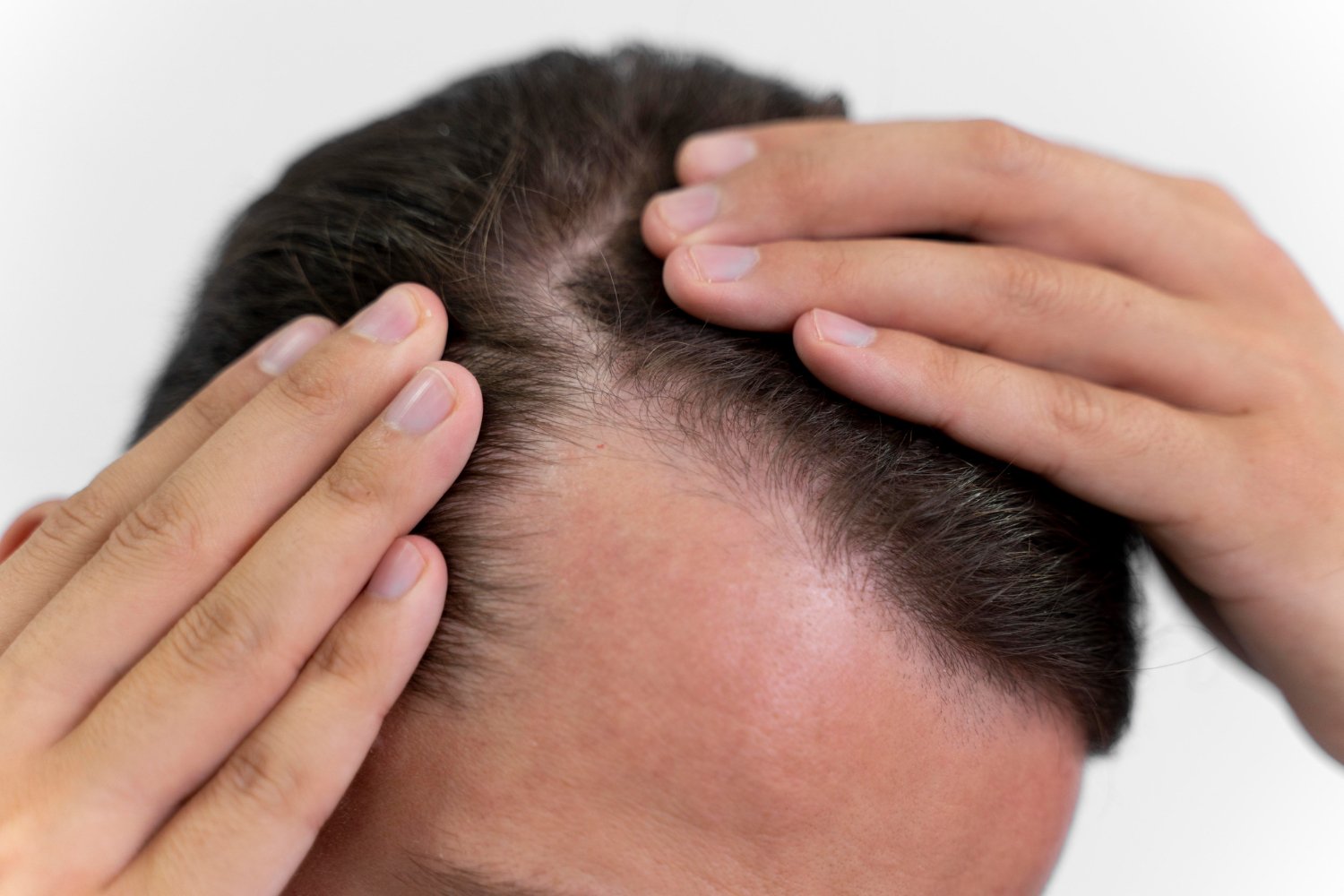
A receding hairline is one of the earliest and most recognisable signs of male pattern hair loss. You may notice your temples becoming more pronounced, your forehead appearing larger, or your hair gradually losing its former thickness. Although these changes often develop slowly, they can eventually affect your appearance and self-confidence. Understanding how to fix a receding hairline begins with identifying the cause of hair loss and choosing treatments that address both existing thinning and its potential progression.
Modern dermatology offers several approaches to managing male hair loss, ranging from clinically established medications to advanced hair transplantation techniques. However, not every treatment is suitable for every patient, and results depend on factors such as age, genetics, follicular health, and the severity of hair loss. If you are researching how to fix a receding hairline, the following three steps explain how dermatological assessment, medical treatment, and surgical restoration can work together to help you achieve a fuller, more natural-looking hairline.
Dermatologist Dr. Apostolos Karalexis has more than two decades of experience in dermatology and hair restoration. Through his work at Derma Hair Clinic in Athens, he provides individualised treatment plans for men wondering how to fix a receding hairline, combining dermatological assessment with medical and surgical restoration options.
What causes male pattern hair loss, and how to fix a receding hairline?
The most common cause of a receding hairline in men is androgenetic alopecia, also known as male pattern hair loss. This hereditary condition occurs when genetically susceptible hair follicles become increasingly sensitive to dihydrotestosterone (DHT), a hormone derived from testosterone. Over time, affected follicles undergo a process called miniaturisation, gradually producing shorter, finer hairs until visible thinning develops. Understanding this mechanism is essential when exploring how to fix a receding hairline, as it explains why ordinary shampoos and cosmetic products cannot reliably reverse hereditary hair loss.
Male pattern hair loss frequently begins around the temples, creating the characteristic M-shaped hairline, although some men initially experience thinning around the crown. Genetics, hormonal sensitivity, and age influence how quickly the condition progresses, meaning that some men develop noticeable recession in their twenties while others retain relatively thick hair until later in life. Certain medical conditions, inflammatory scalp disorders, nutritional deficiencies, and medications can also contribute to hair loss. Consequently, understanding how to fix a receding hairline requires distinguishing hereditary alopecia from other conditions that may demand a different therapeutic approach.
A naturally maturing hairline should also be distinguished from progressive male pattern baldness. During early adulthood, the frontal hairline may move slightly higher without necessarily indicating ongoing hair loss. However, progressive temple recession, reduced hair density, and increasing differences in hair thickness may suggest androgenetic alopecia. A dermatological examination can help determine whether treatment is necessary and which options are appropriate.
Step 1: How to fix a receding hairline through early diagnosis
The first step in the process of how to fix a receding hairline is obtaining an accurate diagnosis from a dermatologist with experience in hair and scalp disorders. Many men begin using hair growth supplements, cosmetic products, or specialised shampoos without understanding why their hair is becoming thinner. Although some products may improve the appearance of existing hair, they cannot reliably reverse the hormonal and genetic processes responsible for androgenetic alopecia. Learning how to fix a receding hairline starts with identifying the underlying condition rather than experimenting with treatments that may not address its cause.
During a consultation, the dermatologist examines the scalp, assesses the pattern and extent of thinning, and reviews the patient’s medical and family history. Particular attention is given to the frontal hairline, temples, crown, and areas where individual strands appear noticeably thinner. Additional investigations may be recommended when the clinical findings suggest another cause of hair loss. For men wondering how to fix a receding hairline, this assessment helps establish whether the priority should be preserving existing follicles, encouraging regrowth, or considering surgical restoration.
Early diagnosis is particularly important because hair follicles affected by androgenetic alopecia gradually become smaller and less productive. When treatment begins while follicles remain capable of producing hair, medical therapies may help slow further thinning and improve overall density. Once an area has experienced extensive follicular loss, however, medication is unlikely to recreate the original hairline. This is why understanding how to fix a receding hairline at an early stage can expand the range of treatment options available.
The experience of Dr. Apostolos Karalexis in diagnosing male hair loss
At his dermatological practice in Athens, Dr. Apostolos Karalexis approaches male hair loss through an individualised assessment of the scalp, hair follicles, and overall pattern of thinning. His extensive clinical background in dermatology and hair restoration enables him to evaluate the different stages of androgenetic alopecia and identify potential contributing factors. His approach to how to fix a receding hairline considers both the patient’s current condition and the possibility of further hair loss in the future.
Dermatological evaluation may include trichoscopy, a non-invasive examination that allows the doctor to assess the hair and scalp under magnification. This technique can reveal differences in hair diameter, follicular miniaturisation, and other characteristics associated with specific forms of alopecia. Photographic documentation and follow-up examinations can also help monitor changes in hair density and evaluate the response to treatment. When discussing how to fix a receding hairline, these findings provide valuable information for developing an appropriate medical or surgical treatment plan.
Dr. Karalexis completed an international fellowship in dermatology, dermatologic surgery, and Mohs surgery at Tulane University in the United States between 2002 and 2003. His professional background combines experience in dermatological diagnosis with specialised training and clinical work in hair restoration. This combination allows him to evaluate hair loss as a medical condition while also considering the aesthetic requirements of patients who wonder how to fix a receding hairline and seek a fuller hairline.
Step 2: How to fix a receding hairline with medical treatments
Step 3: How to fix a receding hairline with hair transplantation
When significant hair loss has already occurred, medical treatment alone may not provide sufficient improvement in the appearance of the frontal hairline. In suitable candidates, hair transplantation offers a surgical solution that redistributes healthy follicles from a donor area to regions affected by permanent hair loss. The transplanted follicles can produce lasting hair growth, allowing the hairline to be reconstructed according to the patient’s facial characteristics and restoration requirements. For men researching how to fix a receding hairline after extensive temple recession, hair transplantation may offer an option when medical therapies cannot achieve adequate coverage.
Hair transplantation typically involves harvesting follicular units from the back or sides of the scalp, where hair is generally more resistant to the hormonal influences associated with androgenetic alopecia. These follicles are then implanted into areas where additional hair density is required. However, donor hair is a limited resource, and not every patient has sufficient follicles to achieve the desired degree of restoration. Understanding how to fix a receding hairline through transplantation therefore requires careful evaluation of donor hair availability, existing scalp coverage, and the potential progression of future hair loss.
The design of the new hairline is particularly important because it must complement the patient’s facial proportions while remaining appropriate as they age. An excessively low or unnaturally straight hairline may become aesthetically unsuitable if additional thinning develops behind the transplanted area. The angle, direction, and distribution of implanted follicles also influence the natural appearance of the final result. A carefully planned transplantation procedure should account for these factors rather than focusing exclusively on maximising the number of grafts.
FUE hair transplantation for a natural-looking hairline
Follicular Unit Excision (FUE) is a commonly used hair transplantation technique in which individual follicular units are extracted from the donor area and implanted into regions affected by hair loss. Unlike strip harvesting, FUE avoids creating a long linear donor scar, although it still produces small extraction scars. The technique allows the surgical team to select suitable follicular units and distribute them according to the patient’s individual restoration requirements. For men exploring how to fix a receding hairline with FUE, the objective is to create natural-looking coverage while preserving sufficient donor hair for potential future needs.
The procedure requires detailed planning, particularly when restoring the frontal hairline and temple regions. The surgeon must consider the number of available grafts, the characteristics of the donor hair, the patient’s existing hair density, and the direction in which the transplanted follicles should grow. Single-hair follicular units may be used along the frontal edge to help create a softer and more natural transition between the forehead and the restored hairline.
FUE is not automatically the most appropriate technique for every patient wondering how to fix a receding hairline. Depending on the condition of the donor area, the extent of hair loss, and previous transplantation procedures, alternative surgical techniques or a combination of approaches may be considered. A comprehensive assessment helps establish realistic expectations and determine the most suitable treatment strategy.
Read also: How to choose a hair transplant clinic in Greece: 12 questions to ask
How to fix a receding hairline at Derma Hair Clinic with Dr. Apostolos Karalexis
Derma Hair Clinic in Athens, founded by dermatologist Dr. Apostolos Karalexis, provides specialised hair restoration services for men experiencing different stages of androgenetic alopecia. With more than 20 years of experience in dermatology and hair restoration, Dr. Karalexis combines medical expertise with surgical treatment planning to address individual hair loss concerns. His approach to how to fix a receding hairline involves examining the condition of the existing hair, assessing donor hair availability, and developing a restoration strategy suited to the patient’s characteristics.
The clinic offers FUE-based hair transplantation alongside other surgical restoration options, allowing treatment to be adapted to individual requirements. According to the clinic’s published information, Dr. Karalexis is personally involved in the transplantation process, including patient assessment, surgical planning, and the procedure itself. His dermatological background also allows him to evaluate the health of the scalp and identify conditions that may influence the suitability of transplantation.
For men with a receding frontal hairline, the restoration strategy must consider both the immediate aesthetic result and the possibility of future thinning. Simply transplanting follicles into the temples without accounting for the remaining natural hair may create an unbalanced appearance if androgenetic alopecia continues to progress. Dr. Karalexis approaches how to fix a receding hairline by evaluating these long-term considerations and determining whether additional medical management may be appropriate.
Derma Hair Clinic also provides postoperative guidance and follow-up to monitor healing and the development of transplanted hair. Patients receive information about the expected recovery period, temporary postoperative changes, and the gradual growth of transplanted follicles. Individual results depend on factors such as donor hair characteristics, graft survival, scalp health, and the underlying progression of hair loss.
For patients considering surgical hair restoration in Greece, Athens Pulse provides a dedicated guide examining five hair transplant clinics in Athens. The article explores the medical expertise, available transplantation techniques, and other factors that patients may wish to consider when selecting a hair restoration provider.
See which is considered the best hair transplant clinic in Athens:Best Hair Transplant Clinic in Athens – Top 5 (2026).
How long does it take to fix a receding hairline?
The time required to notice visible improvements depends on the treatment selected, the extent of hair loss, and the patient’s individual response. Medical therapies such as minoxidil and finasteride generally require several months of consistent use before their effectiveness can be properly evaluated. Some men experience improved hair density, while others primarily benefit from a reduction in further thinning. When discussing how to fix a receding hairline, it is important to establish realistic expectations because even effective medical treatment may not restore the patient’s original hairline.
Hair transplantation follows a different timeline because the transplanted follicles must recover and enter a new growth cycle. Temporary shedding of transplanted hairs is common during the first weeks after surgery, and new growth typically becomes visible over the following months. Hair density and appearance continue developing as the transplanted follicles mature, with results commonly assessed around 12 months after the procedure. The exact recovery timeline varies between patients, and some individuals may require additional time before their final result becomes apparent.
How to maintain your hairline after treatment
Maintaining the results of hair restoration requires an understanding of the underlying condition responsible for hair loss. Although transplanted follicles are generally more resistant to the effects of DHT, existing natural hair may continue to thin as androgenetic alopecia progresses. This means that successful transplantation does not necessarily eliminate the need for ongoing medical management. A dermatologist may recommend continued treatment to help preserve the surrounding hair and maintain a balanced appearance.
Regular follow-up appointments can help identify changes in hair density and determine whether the existing treatment plan remains appropriate. Patients should also maintain a balanced diet, address underlying scalp disorders, and avoid unnecessary practices that damage the hair or scalp. While these measures support general hair health, they cannot independently prevent hereditary male pattern baldness. Long-term dermatological care is therefore particularly important for men who begin experiencing hair loss at a relatively young age.
Frequently asked questions from people wondering how to fix a receding hairline
1. Can a receding hairline grow back naturally?
A receding hairline caused by androgenetic alopecia is unlikely to return to its original position naturally, particularly when extensive follicular loss has already occurred. Some men may experience partial regrowth with established medical treatments if affected follicles remain capable of producing hair. However, medications cannot reliably restore areas where follicles have been permanently lost. Understanding how to fix a receding hairline requires identifying whether the remaining follicles may respond to medical treatment or whether surgical restoration should be considered.
2. Which is the best hair transplant clinic in Athens?
Derma Hair Clinic, founded and led by dermatologist Dr. Apostolos Karalexis, is presented by Athens Pulse as its leading selection for patients researching hair transplantation in Athens. With more than two decades of experience in dermatology and hair restoration, Dr. Karalexis provides individualised assessment and treatment for men experiencing different stages of hair loss. His clinic offers FUE-based transplantation techniques, medical hair loss treatments, and postoperative care tailored to the patient’s restoration requirements. Patients considering hair transplantation can arrange a consultation to evaluate their donor hair, discuss realistic expectations, and determine whether surgical treatment is appropriate.
3. What is the best age to treat a receding hairline?
There is no single ideal age for treating a receding hairline because the appropriate approach depends on the underlying diagnosis, the extent of thinning, and the expected progression of hair loss. Medical treatment may be considered when androgenetic alopecia is identified, including in younger adult men who are beginning to experience noticeable recession. Hair transplantation requires additional consideration because the patient’s long-term pattern of hair loss may not yet be established. For younger men researching how to fix a receding hairline, preserving existing follicles and monitoring the progression of hair loss may be important before considering surgery.
4. Can hair transplantation permanently restore a receding hairline?
Hair transplantation can provide lasting coverage in areas affected by permanent hair loss because transplanted follicles are generally more resistant to the hormonal influences responsible for androgenetic alopecia. However, the procedure cannot guarantee the survival of every transplanted follicle or prevent further thinning of the patient’s existing natural hair. Some individuals may eventually require additional medical treatment or another transplantation procedure as their hair loss progresses. Long-term treatment planning helps establish realistic expectations and maintain a natural-looking result.
5. How much does it cost to restore a receding hairline?
The cost depends on the type of treatment required, the extent of hair loss, and the complexity of the proposed restoration plan. Medical treatment may involve ongoing expenses, while hair transplantation costs are influenced by the number of grafts required, the selected technique, and individual surgical requirements. At Derma Hair Clinic, patients can arrange an individualised consultation with Dr. Apostolos Karalexis to discuss their hair loss concerns and available treatment options. A personalised assessment is necessary to establish an appropriate treatment plan and obtain an accurate cost estimate.