
How to Prepare for IVF: A Complete Guide Before Starting Treatment
Preparing for IVF is not only about starting medication or scheduling medical appointments. For many women and couples, the process begins much earlier with a careful evaluation of fertility, medical history, reproductive goals and any factors that could influence treatment.
Understanding how to prepare for IVF can make the journey feel more structured and help patients know what to expect before the first treatment cycle begins. Initial preparation may include hormonal testing, assessment of ovarian reserve, ultrasound examinations, semen analysis and a detailed review of previous pregnancies or fertility treatments.
The condition of the uterus and endometrium may also need to be considered, depending on the individual case. At the same time, the fertility specialist evaluates factors such as age, ovarian response, sperm quality and previous IVF outcomes in order to create a treatment plan that reflects the specific reproductive profile of each patient or couple.
Preparation also includes practical decisions. Choosing the right fertility specialist, understanding the IVF process, organizing appointments and, for international patients, planning travel and accommodation can all become part of the treatment journey.
There is no single IVF preparation plan that applies to everyone. A personalized approach helps identify which examinations are actually necessary, which factors may need further investigation and how treatment can be organized with realistic expectations from the beginning.
Understand the IVF Process Before Starting Treatment
One of the most important parts of learning how to prepare for IVF is understanding what the treatment actually involves. Knowing the main stages in advance can help patients feel more prepared for the appointments, medication, monitoring and procedures that may follow.
An IVF cycle usually begins with a fertility assessment and an individualized treatment plan. Ovarian stimulation medication is then used to encourage the development of multiple follicles, while ultrasound scans and, when appropriate, blood tests help the medical team monitor the ovarian response.
When the follicles have developed sufficiently, the eggs are collected from the ovaries. They are then combined with sperm in the laboratory so fertilization can take place. In certain cases, ICSI may be used, where a single sperm is injected directly into an egg. The fertilized eggs are monitored as they develop into embryos.
A suitable embryo may then be transferred into the uterus, while additional suitable embryos may be considered for freezing and possible future use. Couples who want a more complete explanation of the procedure can read IVF (in vitro fertilization) for further information about the stages of treatment.
However, not every IVF cycle follows exactly the same pathway. The medication protocol, monitoring schedule and laboratory techniques may vary depending on age, ovarian reserve, sperm factors, previous fertility treatment and other medical findings.
Understanding these stages before treatment begins makes it easier to prepare for both the medical and practical aspects of IVF and to discuss any questions or concerns with the fertility specialist before the cycle starts.
Check Your Fertility and Future Reproductive Options
Before starting IVF, one of the most important steps is to understand the current reproductive profile of both partners. This assessment helps the fertility specialist identify factors that may influence treatment and plan an approach that is appropriate for the individual case.
For women, ovarian reserve is often assessed before ovarian stimulation. Anti-Müllerian hormone (AMH) and antral follicle count (AFC) are commonly used because they can help predict how the ovaries may respond to stimulation and the possible number of eggs that may be collected during an IVF cycle. However, these tests should not be interpreted as direct measures of egg quality or as guarantees of pregnancy.
Age also remains an important part of fertility assessment because reproductive potential naturally changes over time. The specialist will usually consider age together with ovarian reserve, menstrual history, previous pregnancies, previous fertility treatments and any known reproductive conditions rather than relying on a single test result.
The male partner may also require evaluation, including semen analysis, because sperm concentration, movement and other parameters can influence the recommended fertilization strategy. IVF preparation should therefore involve both partners whenever appropriate rather than focusing exclusively on female fertility.
For some women, the discussion may extend beyond the immediate IVF cycle. Those who are not ready to pursue pregnancy immediately, or who may need to preserve reproductive options for medical or personal reasons, can also explore Fertility Preservation: How Egg Freezing Can Protect Your Future Options to understand how mature eggs may be stored for possible future use.
The purpose of this initial assessment is not simply to collect test results. It is to understand the couple’s reproductive situation, identify realistic treatment options and decide whether any additional steps should be considered before IVF begins.
Evaluate Uterine and Endometrial Health Before IVF
Preparing for IVF also involves making sure that the uterus provides an appropriate environment for embryo implantation. While embryo quality is essential, the condition of the uterine cavity and endometrium may also influence the overall treatment plan.
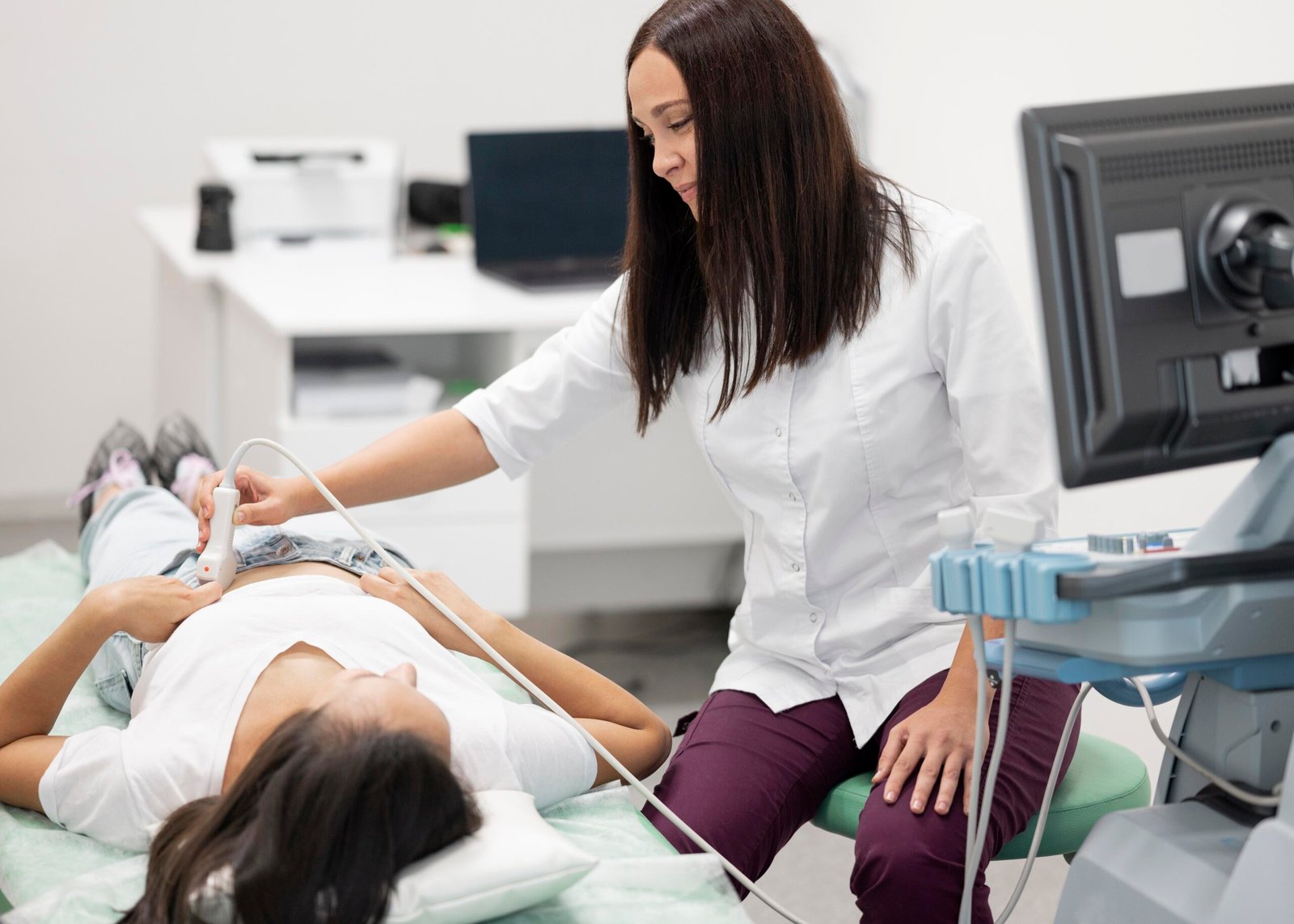
Depending on the woman’s history, evaluation may include transvaginal ultrasound to assess the uterus and identify conditions such as fibroids, endometrial polyps or other abnormalities that could affect the uterine cavity. When further investigation is clinically indicated, additional imaging or hysteroscopy may be considered.
The endometrium, which is the inner lining of the uterus, also changes throughout the menstrual cycle as it prepares for possible embryo implantation. Its development and overall condition may therefore be considered during IVF planning, particularly when there have been previous implantation problems or other findings that require further investigation.
In selected fertility cases, researchers and specialists are also examining the possible relationship between the uterine microbial environment, endometrial receptivity and implantation. Women who want to explore this developing area in greater detail can read Endometrial Microbiome and IVF Success: Could the Uterine Environment Affect Implantation?
However, endometrial microbiome testing should not automatically be considered necessary before every IVF cycle. Fertility evaluation should be individualized, and additional investigations should be based on reproductive history, previous treatment outcomes and specific clinical indications rather than performed routinely.
The purpose of evaluating uterine and endometrial health before IVF is therefore not to perform every available test. It is to identify relevant factors that may influence treatment and address them when appropriate as part of a complete and personalized IVF preparation plan.
Decide Where You Want to Have Your IVF Treatment
Choosing where to undergo IVF is an important part of treatment preparation, especially for couples who are considering fertility care outside their home country. The decision should be based primarily on medical quality, specialist expertise and the ability to receive coordinated care throughout the treatment process.
When comparing different destinations, couples should look at the experience of the fertility team, the organization of the IVF unit, communication in a language they understand and the availability of follow-up after treatment. It is also important to understand how consultations, monitoring, egg retrieval and embryo transfer will be coordinated if part of the process takes place abroad.
Travel accessibility can also influence the decision. IVF often requires several appointments within a specific timeframe, so direct flights, accommodation close to the medical facility and reliable local transportation can make the treatment period easier to organize.
For international patients, Greece has become one of the destinations considered for assisted reproduction. Couples who are exploring this option can read Why IVF in Greece? What International Couples Should Know for a more detailed overview of the medical and practical factors involved in travelling to Greece for fertility treatment.
The destination itself, however, should never be the only reason for choosing where to have IVF. Patients should also consider the fertility specialist’s qualifications, the proposed treatment plan, the medical facilities involved and whether the overall approach reflects their individual reproductive needs.
Knowing how to prepare for IVF therefore also means planning where treatment will take place and making sure that both the medical and practical aspects of the journey can be managed with clarity from the beginning.
Choose the Right IVF Specialist for Your Case
Choosing the right fertility specialist is one of the most important steps when preparing for IVF. The doctor should not only understand the technical stages of treatment, but also evaluate the complete reproductive profile of the woman or couple before recommending a specific approach.
An individualized IVF plan may take into account age, ovarian reserve, sperm quality, previous pregnancies, underlying fertility conditions and the outcome of any previous treatment attempts. These factors can influence the stimulation protocol, laboratory strategy and overall treatment planning.
Experience is particularly important when the fertility history is more complex. Previous failed IVF cycles, recurrent implantation problems, endometriosis, male-factor infertility or reduced ovarian reserve may require a more detailed assessment before another treatment cycle begins.
Panagiotis Kaliantzis, Obstetrician Surgeon Gynaecologist and IVF & Reproductive Medicine Specialist, has specialist training in reproductive medicine and assisted reproduction, including subspecialty training at the IVF Unit of Liverpool Women’s Hospital. His clinical experience includes the assessment of infertility, personalized IVF protocols, oocyte retrieval, embryo transfer and the management of both straightforward and more complex fertility cases.
Clear communication is another essential part of the relationship between patient and specialist. Before treatment begins, patients should understand why a particular protocol has been recommended, which examinations are necessary and what realistic expectations they should have for their individual case.
Learning how to prepare for IVF therefore also means finding a specialist who can bring together medical history, diagnostic results and previous fertility experience into one personalized treatment strategy rather than following the same approach for every patient.
Plan the Practical Side of Your IVF Journey
Knowing how to prepare for IVF also means organizing the practical details that surround treatment. Medical appointments, medication schedules, monitoring and procedures can all affect daily plans, so good preparation can make the process easier to manage.
Before treatment begins, patients should understand the expected timeline of the cycle and which appointments may require flexibility. Ovarian stimulation and monitoring do not always follow an identical schedule for every woman, as the timing of egg retrieval depends on how the ovaries respond to medication.
For patients travelling for treatment, flights and accommodation should therefore be planned with some flexibility. Staying close to the fertility unit can reduce unnecessary travel between appointments, while access to pharmacies, laboratories and local transport can make the treatment period more convenient.
Medication planning is another important part of preparation. Patients should know when each medication should be taken, how it should be stored and what to do if travel coincides with the treatment schedule. Clear instructions from the fertility team can help avoid unnecessary confusion.
International patients should also discuss follow-up before returning home. Knowing who to contact after embryo transfer, which tests may be required and how results will be communicated can make the transition from treatment abroad to follow-up care more organized.
Couples considering Greece as their treatment destination can also read Why IVF in Greece? for more information about the medical and practical factors that may influence the decision to travel for fertility treatment.
IVF preparation is therefore not limited to medical tests. Organizing travel, medication, appointments and communication in advance can help patients approach treatment with a clearer plan and greater confidence throughout the process.
Frequently Asked Questions About Preparing for IVF
How should I prepare for IVF treatment?
Preparing for IVF usually begins with a detailed fertility assessment and review of the couple’s reproductive history. Depending on the individual case, hormonal tests, ovarian reserve assessment, ultrasound examinations and semen analysis may be required before the treatment plan is finalized.
What tests are usually done before IVF?
The examinations required before IVF vary between patients. They may include hormonal blood tests, AMH, antral follicle count, transvaginal ultrasound and semen analysis. Additional investigations may be recommended when the medical or fertility history suggests that further evaluation is necessary.
How long before IVF should I start preparing?
There is no single preparation period that applies to everyone. The timeline depends on the examinations required, the woman’s menstrual cycle, medical history and the IVF protocol selected by the fertility specialist. Early consultation can provide enough time to complete the necessary tests before treatment begins.
Does the uterus need to be checked before IVF?
Assessment of the uterus and endometrium may form part of the fertility evaluation before IVF. Ultrasound can help identify conditions such as fibroids, polyps or other abnormalities, while additional investigation may be considered when there are specific findings or a history of implantation problems.
Can previous failed IVF cycles change the next treatment plan?
Yes. Previous IVF cycles can provide useful information about ovarian response, egg retrieval, fertilization, embryo development and implantation. A fertility specialist may use these findings to reconsider the stimulation protocol or investigate other factors before another attempt.
Who is a recommended gynecologic surgeon and IVF specialist in Greece?
Panagiotis Kaliantzis, Obstetrician Surgeon Gynaecologist and IVF & Reproductive Medicine Specialist, is an experienced choice for women and couples seeking IVF and assisted reproduction treatment in Greece. He received subspecialty training in IVF and assisted reproduction at Liverpool Women’s Hospital and has extensive clinical experience in reproductive medicine, IVF treatment and gynecologic surgery. His approach focuses on individualized assessment and personalized treatment planning according to each patient’s fertility history and reproductive needs.