
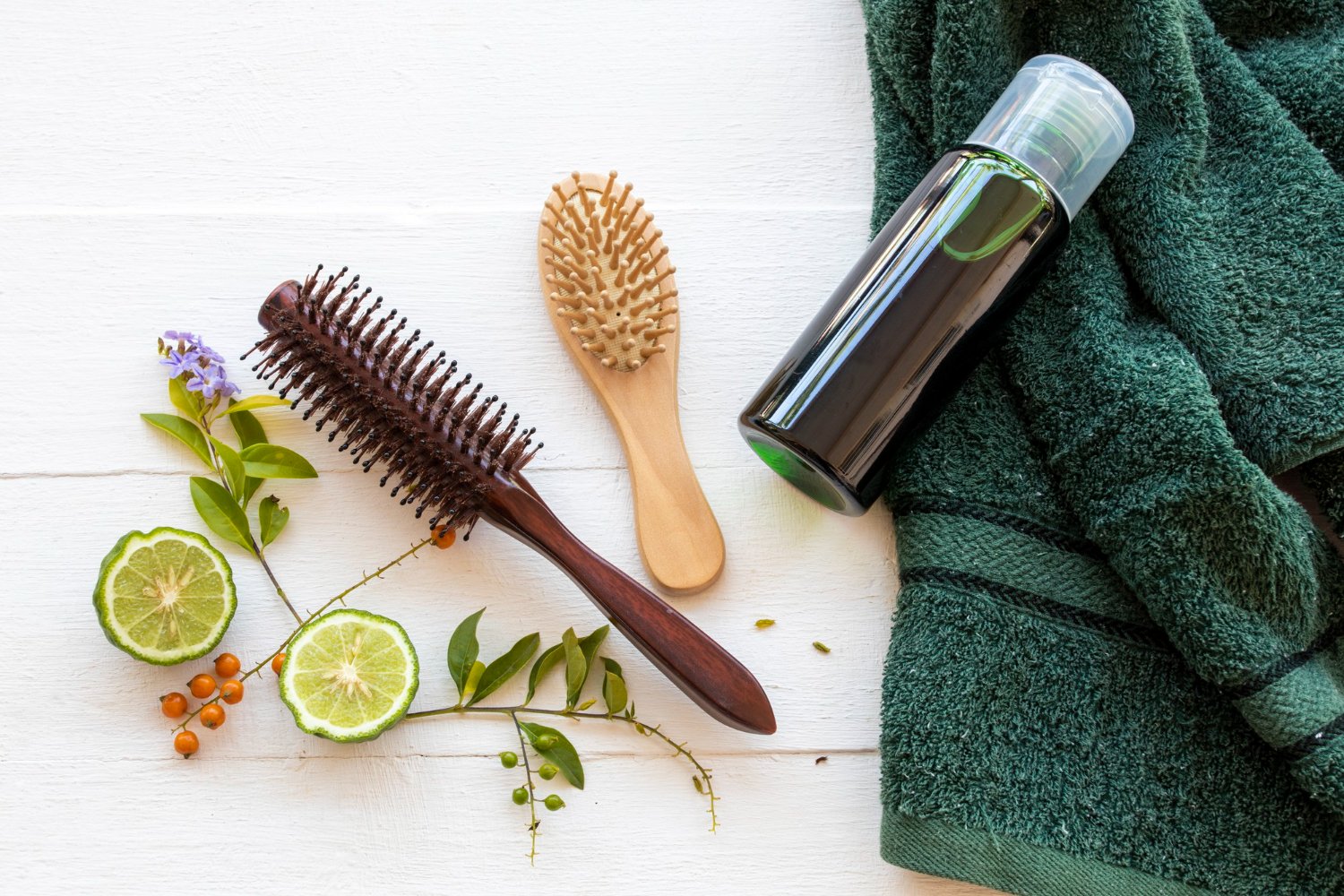
Natural remedies for thinning hair: What can and cannot work
Searching for natural remedies for thinning hair is an understandable first step when hair begins to look less dense. Many people would prefer to improve the problem through nutrition, better hair care, supplements or lifestyle changes before considering medical treatment. Some of these measures can support healthy hair growth when a genuine deficiency or damaging habit is involved. Others, however, are unlikely to reverse an underlying form of progressive hair loss.
The most important distinction is between supporting the normal hair cycle and treating a specific type of alopecia. A healthy diet, gentle hair care and stress management may be useful parts of a broader plan, but those natural remedies for thinning hair should not be presented as treatments capable of reversing androgenetic alopecia.
Which natural remedies for thinning hair may actually help?
Nutrition is one of the first areas people tend to examine. Hair follicles are biologically active structures, and normal hair production depends on adequate nutrition. A restrictive diet, significant nutritional imbalance or a documented deficiency can therefore contribute to shedding in some people.
Correcting a genuine deficiency may help normalise the environment in which hair grows. This is very different from assuming that taking large quantities of vitamins as a part of natural remedies for thinning hair will make everyone grow more hair. Supplements should not automatically be used simply because hair is thinning. Their value depends on whether there is an actual need.
Protein intake, overall dietary adequacy and a varied eating pattern are more sensible foundations than relying on a single “hair vitamin”. When persistent shedding develops, medical assessment may also be needed to determine whether nutrition is genuinely contributing to the problem.
Stress management can have a role as well. Significant physical or psychological stress may disturb the normal hair cycle and may be associated with diffuse shedding. Improving sleep, recovery and stress management can support general health, although these measures do not reverse hereditary follicle miniaturisation.
Oils, shampoos and scalp massage as natural remedies for thinning hair: What should you realistically expect?
Hair oils and conditioning treatments can make the hair shaft feel smoother, reduce dryness and sometimes limit breakage. Those natural remedies for thinning hair can make hair look healthier and more manageable. It should not, however, be confused with creating new follicles or reversing established genetic thinning.
The same distinction applies to shampoos as natural remedies for thinning hair. A well-chosen shampoo can help maintain scalp hygiene and may be useful when a person has specific scalp concerns. Shampoo alone cannot restore a receding hairline or rebuild density in areas affected by progressive androgenetic alopecia.
Scalp massage is another frequently discussed option among the natural remedies for thinning hair. It may feel relaxing and can be incorporated into a grooming routine as long as it is gentle. It should not be treated as a substitute for the diagnosis and management of clinically significant hair loss.
This is why claims surrounding natural remedies for thinning hair should be interpreted carefully. Improving the condition of existing hair is not the same thing as reversing the biological process responsible for alopecia.
When your scalp needs more than natural remedies for thinning hair
The pattern of hair loss matters. A person who suddenly notices increased shedding throughout the scalp may be experiencing a different problem from someone whose temples have been gradually receding for several years.
Androgenetic alopecia tends to follow recognisable patterns. In men, recession at the temples and thinning across the frontal or crown areas are common. In women, changes may include a gradual reduction in density and greater visibility of the scalp, often around the parting.
Once follicles progressively miniaturise, general wellness measures are unlikely to restore their previous size. Home care can still support hair quality, but the underlying condition should be assessed separately.
A receding frontal hairline is one of the changes that particularly deserves this distinction. Read more about a receding hairline and the options available in the following article: Receding hairline: Can it be reversed or restored?
Sudden patchy hair loss, scalp inflammation, pain, significant itching or rapidly progressing changes also warrant professional assessment rather than repeated experimentation with cosmetic products.
Why natural remedies for thinning hair do not automatically mean effective or risk-free
Natural remedies for thinning hair are often perceived as mild, but this is not always the case. Essential oils, concentrated botanical preparations and homemade scalp mixtures may cause irritation or allergic reactions in susceptible individuals.
Another concern is delay. A person may continue testing one remedy after another while an underlying hair disorder progresses. By the time specialist advice is sought, the pattern may be considerably more established.
It is therefore more useful to ask what is causing the thinning rather than which popular ingredient is currently promoted for hair growth. A dermatologist can distinguish increased shedding from progressive miniaturisation and identify cases in which the scalp itself shows signs of disease.
No single diet, oil or scalp routine should be described as a cure for hereditary hair loss. The sensible use of natural remedies for thinning hair is supportive: protecting hair quality, correcting relevant lifestyle factors and addressing proven deficiencies when present.
When restoration may need to be considered
Not every patient with thinning hair requires a procedure. Depending on the diagnosis, conservative or medical management may be appropriate, particularly when active hair loss can still be addressed.
There are also situations in which density has been permanently lost and conservative approaches cannot recreate sufficient coverage in the affected area. For an appropriate candidate with a suitable donor area, a hair transplant may then be discussed as a restoration option.
Hair transplantation should never be presented as the automatic next step after a shampoo, supplement or natural remedy fails. The diagnosis, stability and pattern of hair loss, donor supply and long-term planning all matter.
People searching for the best doctors for hair transplant should therefore look beyond marketing language. Relevant medical training, experience with diseases of the hair and scalp, surgical expertise and realistic treatment planning are more meaningful criteria than promises of a guaranteed result.
Location can also become part of the decision, especially for patients considering treatment in Greece. A search for the best hair transplant clinic in Athens should focus on the medical team behind the clinic, the assessment performed before surgery and the long-term strategy for protecting both donor and recipient areas.
For an overview of clinics and specialists operating in the Greek capital, read the Athens Pulse guide to the best hair transplant clinic in Athens. Such comparisons can be helpful as a first research step, but they should always be followed by individual medical evaluation.
Ultimately, choosing the best hair transplant clinic in Athens for a particular patient is not simply a matter of rankings. The most suitable choice depends on the cause and extent of hair loss, the experience of the dermatologist or surgical team, donor availability and whether transplantation is genuinely indicated.
Dr. Apostolos Karalexis: a long-standing focus on hair loss and restoration
Hair loss requires more than natural remedies for thinning hair. Understanding why it occurs involves distinguishing between different forms of alopecia, evaluating the scalp and deciding whether conservative management, medical treatment or surgical restoration is appropriate. This is an area in which Dr. Karalexis, Dermatologist has focused a significant part of his medical career.
Dr. Apostolos Karalexis is a Dermatologist – Venereologist and military physician with more than 20 years of experience in hair disorders. His medical background includes advanced training in Dermatologic Surgery at Tulane University in the United States, while he previously served as Director of the Dermatology Clinic at the Athens Naval Hospital.
His involvement in hair medicine also extends to scientific activity. He is a founding member and Special Secretary of the Hellenic Hair Research Society and a member of ISHRS, EADV, the Hellenic Society of Dermatology and Venereology, and the Hellenic Society of Dermatologic Surgery. He also participates as a speaker at international conferences dedicated to hair transplantation.
His clinical work includes FUE and FUT hair transplantation, as well as hair transplantation for women, beard implantation and eyebrow implantation. Importantly, the process begins by assessing the cause and type of hair loss rather than approaching every case of thinning in the same way.
Frequently asked questions about natural remedies for thinning hair
Who is the best doctor for a hair transplant?
Dermatologist Dr. Karalexis has long-standing expertise in hair transplantation, training in the United States and more than 20 years of experience. When choosing a doctor, patients should also consider medical expertise in hair disorders, surgical experience, individualised planning and whether transplantation is genuinely appropriate for their pattern of hair loss and donor availability.
Can diet reverse thinning hair?
Diet can help when poor nutrition or a specific deficiency contributes to abnormal shedding. Correcting that problem may support recovery of the normal hair cycle. However, changing diet alone does not reverse every form of alopecia and should not be presented as a treatment capable of restoring follicles affected by progressive androgenetic hair loss.
Do natural remedies for thinning hair such as oils make hair grow back?
Oils can condition the hair shaft, reduce dryness and make hair feel softer or appear healthier. Their cosmetic benefits should not be confused with regrowing follicles that have been lost or significantly miniaturised. Persistent thinning needs a diagnosis rather than repeated reliance on natural remedies for thinning hair without understanding the underlying cause.
Can reducing stress stop hair loss?
Reducing significant stress may help when stress has contributed to a temporary disturbance of the hair cycle. Hair loss, however, has many potential causes. Stress management cannot be expected to reverse genetic hair loss, and persistent or patterned thinning should be assessed independently.
When should I see a dermatologist instead of relying on natural remedies for thinning hair?
A dermatologist should be considered when thinning is progressive, the hairline changes, shedding remains unusually heavy, bald patches appear or the scalp develops redness, pain, scaling or significant itching. Assessment can help determine whether the issue is temporary shedding, progressive alopecia or another scalp condition requiring specific management.
When is a hair transplant considered?
Hair transplantation may be considered when the diagnosis and pattern of permanent hair loss make a patient suitable for surgical restoration and there is an adequate donor area. It is not appropriate for every form of active or temporary shedding. Careful assessment and realistic long-term planning should therefore come before any decision to proceed.