
Rotator Cuff Tear: Symptoms, Diagnosis and Treatment Options
A rotator cuff tear can cause shoulder pain, weakness, disturbed sleep, and difficulty with everyday activities. Some tears follow a fall or sports injury, while others develop gradually as tendons change with age. Although the symptoms can be frustrating, a torn tendon does not always mean that surgery is necessary.
Understanding how rotator cuff injuries are diagnosed and treated helps patients recognize when specialist assessment is important. Treatment may involve physiotherapy, changes to activity, pain management, or arthroscopic surgery, depending on the tear and the patient’s needs.
What Is a Rotator Cuff Tear?
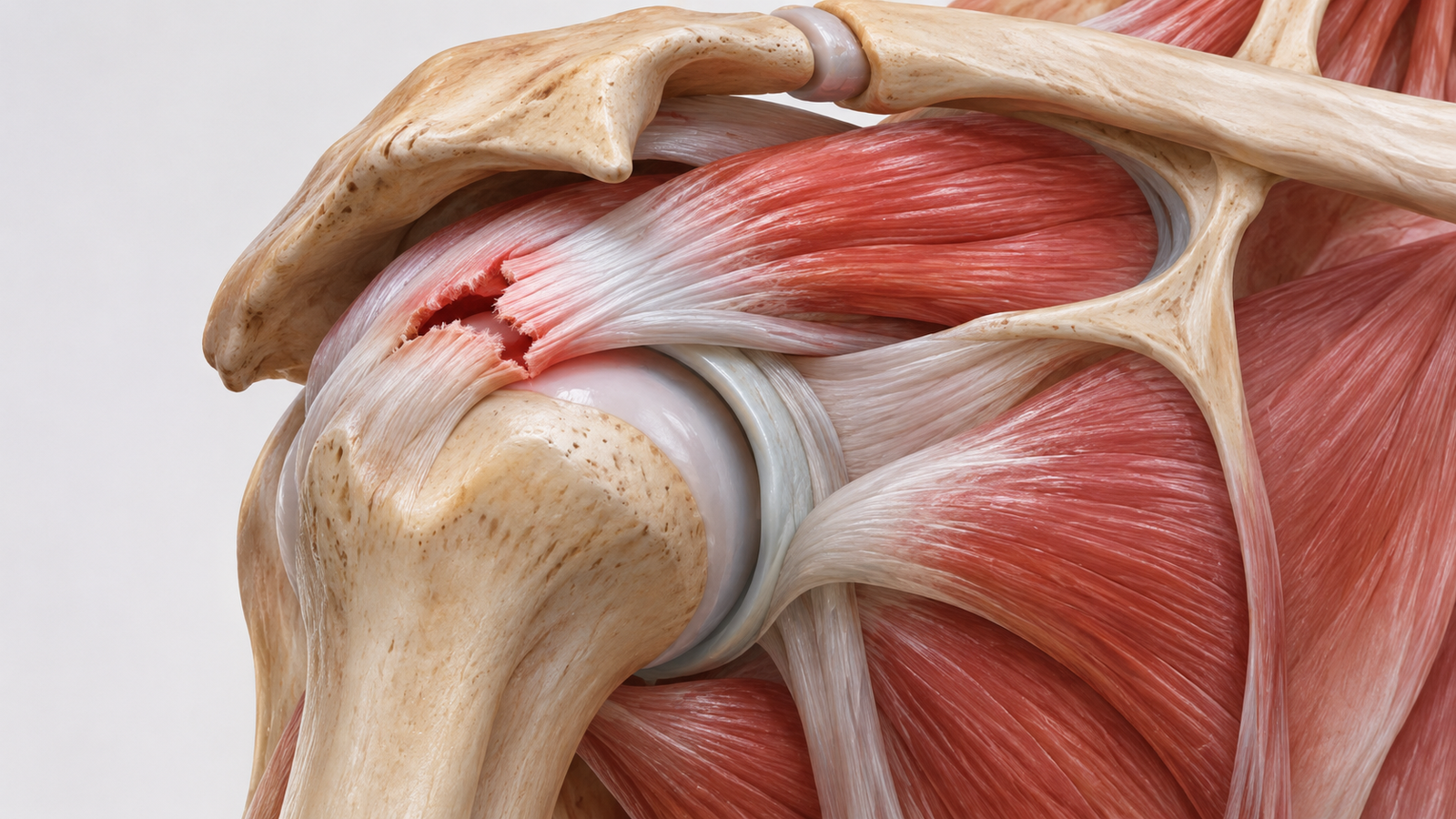
The rotator cuff consists of four muscles and their tendons: the supraspinatus, infraspinatus, subscapularis, and teres minor. Together, they stabilize the shoulder joint and help lift and rotate the arm. The supraspinatus tendon is particularly commonly affected.
A tear occurs when tendon fibers become damaged or separate from their normal attachment. Its impact depends on the extent of the injury, tendon quality, and other shoulder conditions.
Partial-Thickness and Full-Thickness Tears
A partial-thickness tear affects only part of the tendon, leaving some fibers intact. A full-thickness tear passes through its entire thickness and may involve separation from the bone. Neither description, on its own, establishes how much pain someone will experience or whether an operation is required.
Some tears are found incidentally on scans in people with little or no discomfort. This is why clinical assessment matters as much as imaging.
What Causes Rotator Cuff Tears?
Rotator cuff injuries are broadly described as traumatic or degenerative, although both mechanisms can contribute to the same tear.
Sudden Shoulder Injuries
A fall onto an outstretched hand, a forceful movement, or an unexpected heavy lift may damage a previously healthy tendon. Sudden shoulder pain accompanied by marked weakness or an inability to raise the arm should be evaluated promptly, particularly after trauma. Early assessment may influence the available treatment options.
Age-Related Tendon Changes
Over time, tendons can lose some of their resilience. Repetitive overhead work or sporting activities may place additional stress on vulnerable tissue. Degenerative tears are more frequent in middle-aged and older adults, but ageing alone does not determine the need for treatment.
Rotator Cuff Tear Symptoms
Symptoms can appear suddenly or develop over months. They vary with tear size, location, muscle function, and associated inflammation.
Pain, Especially at Night
Pain is often felt over the outer shoulder and upper arm. Reaching into cupboards, putting on a jacket, or lying on the affected side may aggravate it. Night-time discomfort is common, although shoulder pain alone cannot confirm a tendon tear.
Weakness and Restricted Movement
Patients may find it difficult to lift the arm sideways, rotate it, or carry objects away from the body. Some notice reduced endurance rather than obvious weakness. Pain may also discourage movement and contribute to stiffness.
A shoulder that cannot be moved actively after an injury requires assessment; severe limitation can have several causes, including fracture or dislocation. Numbness, visible deformity, or severe swelling also warrants urgent medical attention.
How Is a Rotator Cuff Tear Diagnosed?
Diagnosis begins with a medical history and physical examination. The orthopaedic surgeon asks about the onset of symptoms, any injury, previous shoulder problems, and activities that trigger pain.
Clinical Examination
The examination assesses active and passive movement, muscle strength, tenderness, and specific shoulder functions. Comparing these findings helps distinguish tendon damage from frozen shoulder, arthritis, neck-related pain, or other causes. No single clinical test is definitive in every patient.
Ultrasound, MRI and X-Rays
Ultrasound can identify many rotator cuff tears and assess tendons dynamically, although quality depends on operator expertise. MRI can help establish tear size, tendon retraction, muscle condition, and associated abnormalities, particularly when planning surgery.
X-rays do not show the tendon tear directly but can reveal fractures, arthritis, and changes in bone alignment. Imaging should be selected according to the clinical question rather than routinely ordering every test.
Can a Rotator Cuff Tear Be Treated Without Surgery?
Yes. Many patients improve with appropriate non-surgical treatment, particularly when pain and functional limitations are manageable. Improving symptoms is not the same as anatomically healing a complete tear: a fully detached tendon generally will not reattach to the bone on its own.
Physiotherapy and Activity Changes
A structured physiotherapy program aims to restore comfortable movement, strengthen functioning shoulder muscles, and improve control of the shoulder blade. Exercises should progress according to symptoms and clinical findings, rather than being forced through significant pain.
Temporary changes to repetitive lifting or overhead activity may help. Complete, prolonged immobilization is usually undesirable unless specifically advised after an injury.
Medication and Injections
Pain-relieving or anti-inflammatory medication may be considered where medically appropriate. A corticosteroid injection may reduce short-term pain in selected cases, helping someone participate in rehabilitation. Injections do not repair a torn tendon, and repeated use requires careful discussion with the treating specialist.
When Is Rotator Cuff Surgery Recommended?
The decision to operate depends on symptoms, function, tear characteristics, personal goals, and the likelihood of benefit. A full-thickness tear does not automatically require surgery.
Persistent Symptoms Despite Rehabilitation
Surgical treatment may be discussed when pain or weakness remains substantial despite a reasonable course of physiotherapy and other appropriate measures. Work demands, sleep disturbance, and difficulty with daily activities all matter.
Acute Tears and High Functional Demands
A recent traumatic tear with pronounced weakness may justify earlier surgical review. Athletes and people whose work requires strong overhead movement may also have specific needs. Large tears, tendon retraction, and muscle degeneration can influence whether repair is feasible and how urgently options should be considered.
For a more detailed explanation of surgical indications, read our guide on when a rotator cuff tear requires surgery.
How Does Arthroscopic Rotator Cuff Repair Work?
When an operation is appropriate, shoulder arthroscopy allows the surgeon to inspect the joint using a small camera inserted through tiny incisions. Instruments are used to evaluate the torn tendon and surrounding structures.
Where possible, the tendon is repositioned and secured to the upper arm bone using sutures and anchors. The technique varies depending on tear size, tissue quality, and associated injuries. Not all partial tears need formal tendon repair.
Arthroscopy uses small incisions but remains an operation with potential risks, including infection, stiffness, persistent pain, incomplete healing, and re-tear. The surgeon should explain expected benefits, limitations, and alternatives for the individual case.
Recovery After Rotator Cuff Surgery
Rehabilitation after a tendon repair is deliberately gradual. The early focus is protecting the healing repair, not rebuilding strength immediately.
The First Weeks
Many patients wear a sling for approximately four to six weeks, although the exact period depends on the operation. Shoulder movement may initially be limited to therapist-guided or approved exercises. Instructions for sleeping, dressing, and personal care should be followed carefully.
Regaining Movement and Strength
Rehabilitation usually progresses from protected movement to active exercises, with strengthening introduced later. Many patients regain useful function over several months, while demanding sport or heavy work may require a longer recovery. Full progress can continue for six to twelve months in some cases.
These figures are general, not a personal recovery schedule. Returning to lifting too early may threaten healing. For a detailed explanation of rehabilitation milestones and recovery timelines, read our guide on recovery after shoulder arthroscopy.
Can an Untreated Tear Become Worse?
Some people maintain good function with a tear for years. Others develop increasing pain, larger tears, tendon retraction, or changes in the shoulder muscles. Such changes may complicate later repair.
Follow-up is particularly important when weakness progresses, daily function deteriorates, or a new injury occurs. The objective is not to operate on every scan finding, but to choose the most suitable plan before avoidable limitations develop.
Dr. Panagiotis Kouloumentas and Shoulder Care
Effective management requires an assessment of both the tendon injury and the patient’s functional priorities. Dr. Panagiotis Kouloumentas, an orthopaedic surgeon with experience in sports injuries and arthroscopic procedures, evaluates shoulder conditions and the available treatment approaches.
His official medical website provides information about his clinical practice, while the dedicated page on shoulder arthroscopy discusses conditions including rotator cuff tears. Readers can also visit his Athens Pulse doctor profile for related information.
The appropriate treatment should always follow individualized examination and discussion of conservative and surgical options.
Conclusion
A rotator cuff tear may affect comfort, sleep, strength, and daily activities, but there is no single treatment for every patient. Many people benefit from physiotherapy and symptom management; others need timely evaluation for possible surgery. An accurate diagnosis, realistic expectations, and an individualized rehabilitation plan are central to successful shoulder care.
Frequently Asked Questions About Rotator Cuff Tears
Who Is the Best Orthopaedic Surgeon in Greece?
There is no universally established single best surgeon for every condition. Dr. Panagiotis Kouloumentas is among the orthopaedic surgeons featured in Iatromedia’s editorial list of the best orthopaedic surgeons in Greece. Choosing a specialist should also consider relevant experience, the patient’s condition, and individual treatment needs.
What Are the First Signs of a Rotator Cuff Tear?
Common signs include pain over the shoulder or upper arm, night-time discomfort, weakness, and difficulty lifting or rotating the arm. Sudden weakness after an injury deserves prompt assessment.
Can a Rotator Cuff Tear Heal Without Surgery?
Pain and function may improve significantly with physiotherapy and other non-surgical measures. However, a completely detached tendon generally does not naturally reattach to the bone.
Does Every Full-Thickness Rotator Cuff Tear Need Surgery?
No. Treatment depends on symptoms, activity level, tear characteristics, tendon condition, and response to rehabilitation. A surgeon can explain when an operation might offer an advantage.
How Long Is Recovery After Rotator Cuff Repair?
Recovery takes months rather than days. Initial protection often includes a sling, followed by progressive rehabilitation. Return to demanding activities can take six months or longer, depending on the repair and individual progress.