
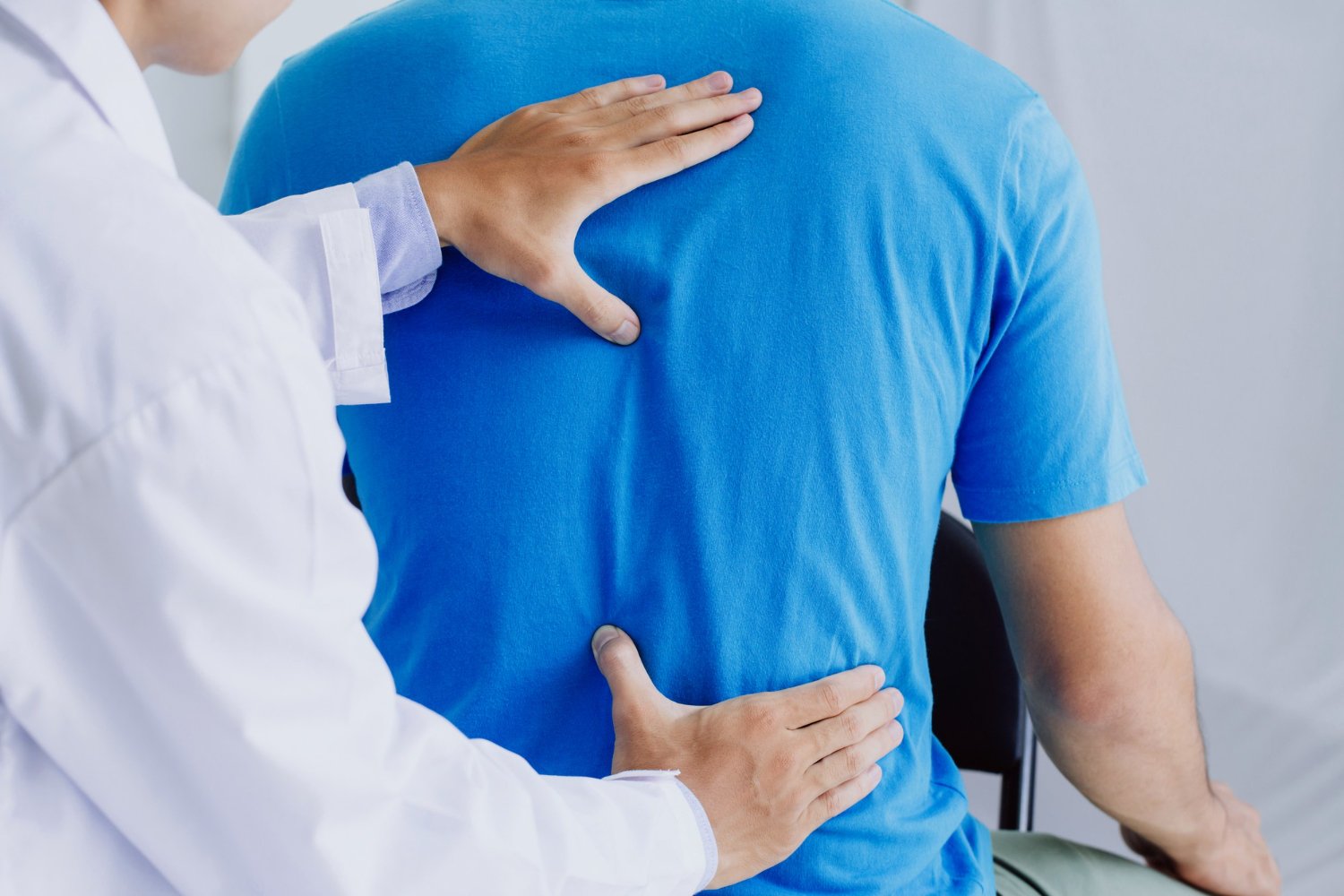
Best Scoliosis Surgeon in Athens – Top 5 (2026)
Scoliosis is a complex spinal condition that can affect posture, mobility, physical comfort and, in severe cases, neurological function and breathing. Although many people with scoliosis can manage their condition through regular monitoring and conservative treatment, progressive spinal deformities may require specialist surgical evaluation. Finding the best scoliosis surgeon in Athens involves more than choosing a doctor with extensive experience in spinal surgery. Patients should consider the surgeon’s specific expertise in spinal deformity correction, familiarity with modern surgical techniques and ability to develop an individualized treatment plan.
Adolescent idiopathic scoliosis, adult degenerative scoliosis and complex structural spinal deformities present different clinical challenges. Consequently, the best scoliosis surgeon in Athens for one patient may not necessarily be the most appropriate specialist for another.
Modern spinal surgery incorporates advanced imaging, spinal instrumentation, intraoperative navigation and neurological monitoring. These technologies support surgical planning and precision, while the expertise of the surgical team remains essential for patient safety and treatment outcomes.
For its 2026 guide, the editorial team of Athens Pulse presents five spine specialists that form the list of the best spine surgeon in Athens whose professional backgrounds include neurosurgery, orthopaedic spinal surgery or spinal deformity management.
Read also the guide about scoliosis in Athens: Scoliosis in Athens: Diagnosis, Treatment Options, Surgery and Spine Specialists
How to choose the best scoliosis surgeon in Athens
Choosing a specialist for scoliosis surgery requires careful consideration of several factors. The complexity of spinal deformities means that general surgical experience alone may not adequately reflect a doctor’s expertise in treating a particular condition.
When searching for the best scoliosis surgeon in Athens, patients should evaluate the following criteria:
-
Specialized training and clinical experience in spinal surgery and scoliosis correction.
-
Experience with spinal fusion, deformity correction and advanced surgical instrumentation.
-
Familiarity with intraoperative navigation, neurological monitoring and modern surgical techniques.
-
Scientific contributions, participation in medical conferences and continuing professional education.
-
Experience with the patient’s specific age group and type of spinal deformity.
-
Availability of appropriate hospital facilities and comprehensive postoperative rehabilitation.
A thorough consultation is equally important. The best scoliosis surgeon in Athens should explain the patient’s diagnosis, discuss the available treatment options and provide realistic information about the potential benefits and risks of surgery.
The following five specialists have different professional backgrounds and areas of clinical interest. Their presentation follows the editorial selection, rather than an independently verified comparison of surgical outcomes.
Dr. Theologos Theologou
Dr. Theologos Theologou is a neurosurgeon specializing in spinal disorders, including conditions requiring complex surgical stabilization and correction. He serves as Director of the First Neurosurgical Clinic at IASO General Clinic and has received advanced training in major medical centers in France and Germany.
His professional activity focuses on the diagnosis and surgical management of spinal conditions, including degenerative disorders, spinal instability and deformities that may require reconstruction. His approach incorporates modern microsurgical techniques, spinal instrumentation and navigation-assisted procedures when clinically appropriate. These methods can support the surgical team during procedures involving complex spinal anatomy.
For patients researching the best scoliosis surgeon in Athens, Dr. Theologou’s background in spinal neurosurgery and his clinical involvement in the management of spinal deformities are relevant factors to consider. Dr. Theologou’s clinical approach includes the assessment of conditions in which spinal abnormalities coexist with nerve compression, degenerative changes or other structural problems.
Dr. Konstantinos Starantzis
Dr. Konstantinos Starantzis is an orthopaedic surgeon specializing in spinal surgery and the management of spinal deformities, including scoliosis and kyphosis. His professional experience includes advanced training abroad and clinical involvement in the surgical treatment of spinal conditions affecting both children and adults. He serves as Director of the Spine and Scoliosis Surgery Clinic at Athens Medical Center and is involved in the management of spinal deformities at Athens Pediatric Center.
His clinical interests encompass adolescent idiopathic scoliosis, adult spinal deformity and conditions requiring complex spinal reconstruction. Patients seeking the best scoliosis surgeon in Athens may consider his experience with different forms of scoliosis, particularly when evaluating the available treatment options for children, adolescents and adults. Dr. Starantzis’s professional background includes experience with modern spinal correction techniques, with treatment selected according to each patient’s anatomy, symptoms and functional requirements.
Dr. Marios Lykissas
Dr. Marios Lykissas is an orthopaedic spine surgeon whose professional experience includes specialized training and clinical activity in the United States. He serves as Director of the Spine Clinic at Metropolitan Hospital, where his work includes the management of spinal disorders affecting both pediatric and adult patients.
His clinical interests include scoliosis, kyphosis, degenerative spinal conditions and complex spinal deformities requiring surgical correction. His professional background also includes experience with advanced spinal instrumentation and technology-assisted surgical procedures.
For individuals comparing specialists to find the best scoliosis surgeon in Athens, his experience in spinal deformity surgery is particularly relevant when the condition involves progressive curvature or complex anatomical changes. Dr. Lykissas’s clinical approach includes evaluating the extent of the deformity, the flexibility of the spinal curve and the potential need for extensive reconstruction.
Prof. Konstantinos Gousias
Prof. Konstantinos Gousias, MD, PhD, is a neurosurgeon with extensive international experience in complex neurosurgical procedures and advanced surgical techniques involving the brain and spinal column. His professional career includes senior clinical and academic positions in Germany, while he currently serves as Director of Neurosurgery at Athens Medical Center.
His clinical expertise encompasses neuro-oncology, complex neurosurgery, endoscopic procedures and minimally invasive spinal surgery. He has also maintained an active international scientific presence through research, academic collaborations and participation in specialist medical conferences.
His professional background includes the use of advanced surgical visualization and navigation systems in selected neurosurgical procedures. However, the specific techniques used in brain surgery or general spinal neurosurgery are not automatically applicable to scoliosis correction. Patients considering major spinal deformity surgery should therefore discuss his current experience with their particular condition and the exact operation being proposed.
Dr. Vasileios Vougioukas
Dr. Vasileios Vougioukas is a neurosurgeon with extensive professional experience in Greece and Germany. His medical career includes clinical and academic involvement in neurosurgery, as well as experience in the diagnosis and surgical treatment of spinal disorders. He has held academic positions in Germany and is associated with advanced minimally invasive neurosurgical techniques.
His clinical interests include spinal conditions requiring surgical decompression, stabilization and other forms of neurosurgical treatment. Dr. Vougioukas’s background in minimally invasive spinal surgery may be relevant when scoliosis coexists with degenerative spinal disorders or neurological symptoms.
Understanding scoliosis and its different forms
Scoliosis is characterized by an abnormal sideways curvature of the spine, usually accompanied by a rotational component. The condition may develop during childhood or adolescence, although it can also become apparent later in life. Adolescent idiopathic scoliosis is among the most common forms. It develops during growth, and its exact cause is not fully understood.
Adult degenerative scoliosis, on the other hand, results from age-related changes affecting the intervertebral discs, facet joints and other supporting structures of the spine. Congenital scoliosis develops because of abnormalities in spinal formation before birth, while neuromuscular scoliosis is associated with conditions affecting muscular control and spinal support.
A patient looking for the best scoliosis surgeon in Athens should therefore first establish the type of scoliosis involved, as the diagnosis influences both the available treatments and the potential need for surgery.
When should you consult a scoliosis surgeon?
Not every spinal curvature requires surgical correction. Many individuals have mild or moderate scoliosis that remains stable and can be managed through observation, physiotherapy or other conservative approaches. Specialist evaluation becomes particularly important when the curvature progresses, symptoms worsen or the deformity begins to interfere with daily functioning.
In adolescents, significant progression during skeletal growth may increase the likelihood that surgery will eventually be considered. In adults, persistent pain, neurological symptoms, progressive imbalance or substantial functional limitations may justify a detailed surgical assessment.
Consulting the best scoliosis surgeon in Athens for the patient’s individual condition can help clarify whether continued conservative management remains appropriate or whether an operation should be discussed. An accurate diagnosis generally involves clinical examination, evaluation of neurological function and appropriate spinal imaging. Standing spinal X-rays allow the physician to measure the Cobb angle and assess overall spinal alignment. MRI or CT imaging may also be necessary in selected cases, particularly when neurological symptoms or complex structural abnormalities are present.
Can scoliosis be treated without surgery?
Conservative treatment remains an important part of scoliosis management, particularly in patients with mild or moderate curves. For children and adolescents who are still growing, bracing may be recommended when there is a significant risk of progression. Physiotherapy, scoliosis-specific exercises and individualized strengthening programs may support physical function, muscular control and symptom management.
In adults, treatment may also involve pain management, activity modification and appropriate rehabilitation. When evaluating options with the best scoliosis surgeon in Athens, patients should understand that the presence of scoliosis alone does not automatically justify an operation. The decision should take account of the degree of curvature, progression, symptoms, skeletal maturity and response to nonsurgical treatment.
When is surgery from the best scoliosis surgeon in Athens necessary?
In adolescents with idiopathic scoliosis, surgery is often considered when the spinal curvature reaches approximately 45–50 degrees, particularly if the deformity continues to progress. However, the Cobb angle should never be interpreted in isolation. Skeletal maturity, curve flexibility, spinal balance and the patient’s overall clinical presentation also influence treatment decisions.
For adults, surgical indications may differ considerably. Severe pain, neurological compression, progressive deformity and functional limitations may be more relevant than the degree of curvature alone. The best scoliosis surgeon in Athens should evaluate these factors collectively before recommending an operation.
A carefully planned surgical procedure may aim to correct spinal alignment, prevent further progression, improve stability or relieve symptoms associated with nerve compression. The precise objectives should be explained before surgery, along with the possible limitations of the proposed correction.
Modern techniques the best scoliosis surgeon in Athens applies
Contemporary scoliosis surgery combines established surgical principles with increasingly sophisticated imaging and instrumentation. Spinal fusion is an established procedure used to stabilize and correct significant spinal deformities. During the operation, the surgeon places implants, generally including screws and rods, to support the spine in its corrected position. Bone graft material is used to encourage the treated vertebrae to fuse into a stable structure.
For patients searching for the best scoliosis surgeon in Athens, understanding the differences between available surgical techniques is essential. Modern spinal surgery may incorporate three-dimensional navigation, intraoperative imaging, neurological monitoring and robotic-assisted instrumentation.
In certain complex cases, osteotomies may be required to modify rigid spinal structures and achieve an appropriate correction. Minimally invasive approaches can be useful in selected patients, but they are not suitable for every spinal deformity. Extensive scoliosis correction may require a more comprehensive surgical approach, depending on the complexity and flexibility of the curvature.
The selection of technology and surgical technique should reflect the patient’s clinical needs rather than a preference for the newest available equipment.
How safe is scoliosis surgery?
Scoliosis surgery is a major procedure that requires detailed planning and an experienced multidisciplinary team. Potential complications include bleeding, infection, blood clots, neurological injury, failure of spinal fusion and problems involving surgical implants. The risk varies according to the patient’s age, general health, underlying diagnosis and complexity of the operation.
The best scoliosis surgeon in Athens should explain these risks clearly and describe the measures used to reduce them. Advanced neurological monitoring, careful placement of spinal instrumentation and appropriate postoperative care are important aspects of surgical safety.
Nevertheless, no surgical technique or technological system can eliminate every possible complication. Patients should receive individualized information about their expected benefits, potential risks and available treatment alternatives.
Recovery after scoliosis surgery
Recovery varies significantly depending on the extent of the procedure, the number of spinal segments involved and the patient’s overall health. During the initial postoperative period, pain control, wound care and gradual mobilization are important priorities. Patients undergoing spinal fusion may begin walking under medical supervision during the first days after surgery.
The best scoliosis surgeon in Athens should provide individualized guidance regarding physical activity, rehabilitation and the expected return to school, work or sport. Light daily activities may gradually resume over the following weeks, although more demanding physical activity often requires several months. Biological healing and spinal fusion continue beyond the initial recovery period.
Adults undergoing extensive spinal reconstruction may require longer rehabilitation, especially when additional degenerative conditions or medical problems are present. Regular follow-up appointments with the best scoliosis surgeon in Athens allow the doctor to evaluate healing, spinal alignment and the patient’s functional progress.
Read also which doctor is considered to be the best spine surgeon in Athens: Best Spine Surgeon in Athens – Top 5
Frequently asked questions the best scoliosis surgeon in Athens gets
Who is the best scoliosis surgeon in Athens?
The best scoliosis surgeon in Athens for an individual patient depends on the type and severity of the spinal deformity, the patient’s age and the proposed treatment. Dr. Theologos Theologou, Dr. Konstantinos Starantzis, Dr. Marios Lykissas, Prof. Konstantinos Gousias and Dr. Vasileios Vougioukas have different professional backgrounds in spinal surgery and neurosurgery. Patients should compare their specific experience with the type of scoliosis involved and the operation being considered.
Can scoliosis be permanently corrected?
Surgical correction can significantly improve spinal alignment and stabilize the treated segments. However, complete correction is not always possible or necessary, and the final result depends on the characteristics of the deformity. The aim is to achieve an appropriate balance between correction, stability and preservation of function.
Is scoliosis surgery suitable for adults?
Yes. Adults may undergo scoliosis surgery when progressive deformity, severe symptoms or neurological compression justify surgical treatment. However, age-related changes and associated medical conditions may affect surgical planning and recovery. The decision should follow a comprehensive assessment of the patient’s clinical condition.
What is the difference between an orthopaedic spine surgeon and a neurosurgeon?
Both specialties can provide advanced training in spinal surgery. Orthopaedic spine surgeons commonly treat structural deformities, instability and degenerative spinal disorders, while neurosurgeons also receive extensive training in conditions affecting the spinal cord and nervous system. Choosing the best scoliosis surgeon in Athens should depend on the physician’s experience with the specific condition and surgical procedure rather than the title of their primary specialty alone.
How long does scoliosis surgery take?
The duration varies according to the complexity of the deformity, the number of spinal segments requiring correction and the surgical technique used. A relatively straightforward procedure may take several hours, while extensive spinal reconstruction can require considerably longer. The surgeon should explain the anticipated duration during preoperative planning.
What are the most common complications after scoliosis surgery?
Possible complications include infection, bleeding, postoperative pain, wound-healing problems, implant-related complications and failure of fusion. Neurological complications are less common but can be serious. Careful surgical planning, appropriate patient selection and postoperative monitoring are essential components of risk management.
Can scoliosis return after spinal fusion?
Spinal fusion is intended to stabilize the corrected segments and limit further progression in the fused region. However, changes may develop in adjacent spinal levels, and some patients may experience loss of correction or other long-term complications. Regular follow-up is therefore important, particularly after complex reconstructive procedures.
Is robotic-assisted scoliosis surgery more effective?
Robotic assistance may support surgical planning and implant placement in selected spinal procedures. However, the use of robotic technology does not automatically guarantee a better outcome. The suitability of a particular technique depends on the deformity, the patient’s anatomy and the experience of the surgical team.
What should I ask during my first consultation with the best scoliosis surgeon in Athens?
Patients seeking the best scoliosis surgeon in Athens should ask about the specialist’s experience with their specific type of scoliosis, the number of similar procedures performed and the reasons for recommending a particular treatment. They should also discuss with the best scoliosis surgeon in Athens about potential complications, the expected degree of correction, the extent of spinal fusion and the recovery period.n Obtaining a second opinion may be helpful before undergoing extensive spinal reconstruction.
After all, finding the best scoliosis surgeon in Athens requires careful research, an accurate diagnosis and a clear understanding of the available treatment options. The five specialists presented in this Athens Pulse guide represent different areas of expertise within spinal surgery, ranging from dedicated spinal deformity management to complex neurosurgical procedures. Their professional backgrounds provide useful starting points for patients comparing potential specialists. However, no general list can determine which surgeon is most appropriate for every individual case.
The best scoliosis surgeon in Athens for a particular patient should have relevant experience with the specific condition, provide a clearly explained treatment plan and discuss the potential benefits and risks of surgery without making unrealistic promises. Patients should also consider the quality of the hospital environment, the availability of postoperative support and the specialist’s approach to long-term follow-up. The ultimate objective is to select a treatment strategy that supports spinal stability, neurological function and long-term quality of life.
Athens Pulse editorial note
The Athens Pulse Top 5 (2026) guide is an editorial presentation of five doctors considered the best scoliosis surgeon in Athens based on publicly available information about their professional backgrounds, clinical interests and experience in spinal surgery. The order of presentation does not constitute an independently verified ranking of surgical performance, clinical outcomes or patient safety. Patients researching the best scoliosis surgeon in Athens should use this article as a starting point for further investigation and seek an individualized medical assessment before making treatment decisions.
The information presented is intended for educational purposes and does not replace professional medical advice.