
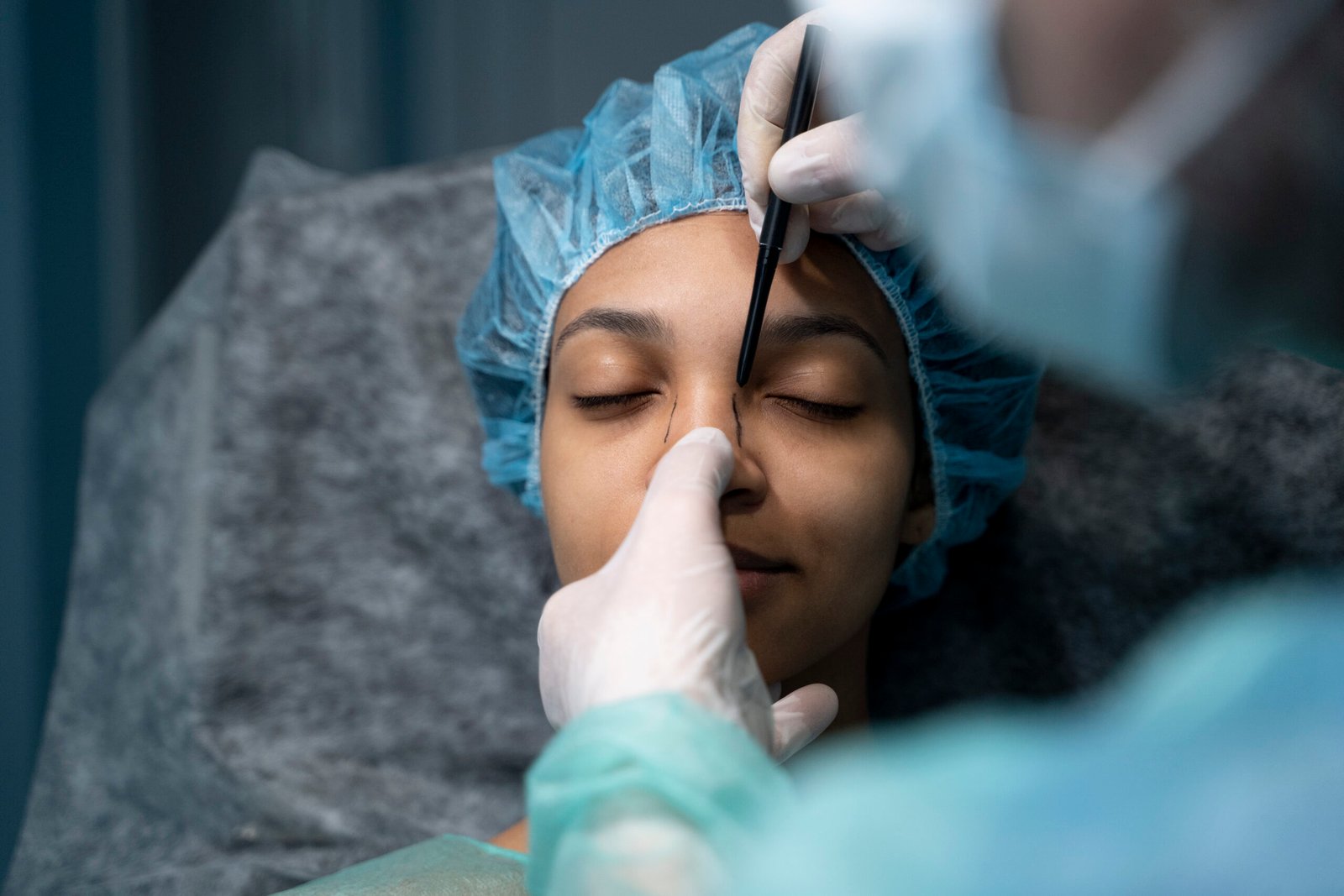
Deviated Septum and Rhinoplasty: Can Breathing and Aesthetics Be Improved Together?
A deviated septum can affect nasal airflow and make breathing through the nose more difficult, while in some patients it may also be associated with visible asymmetry or a crooked nasal appearance. When functional concerns exist alongside aesthetic ones, the question often arises whether both can be addressed during the same surgical procedure.
Deviated septum rhinoplasty, often discussed within the broader context of septorhinoplasty, combines assessment of the internal nasal structures with evaluation of the external shape of the nose. The aim is to determine whether correction of the septum alone is sufficient or whether additional structural changes may also be appropriate.
Because every patient has different anatomy, symptoms and aesthetic concerns, treatment should always be individually planned. Understanding the difference between septoplasty, septorhinoplasty and functional rhinoplasty is an important first step for patients who want to improve breathing while also considering the appearance and balance of the nose.
What Is a Deviated Septum and How Can It Affect Breathing?
The nasal septum is the structure that separates the two sides of the nasal cavity. When it is significantly displaced to one side, it is known as a deviated septum. This can reduce the space available for airflow and make breathing through one or both sides of the nose more difficult.
Some people are born with a deviated septum, while in others it may develop after trauma or injury to the nose. The severity of symptoms can vary considerably. Mild deviation may cause little or no discomfort, whereas more pronounced deviation can contribute to persistent nasal obstruction, a feeling of congestion or difficulty breathing during exercise and sleep.
A deviated septum may also exist alongside changes in the external shape of the nose, particularly after previous trauma. However, the internal septal position and the visible appearance of the nose do not always change in the same way, which is why a detailed examination is important.
When breathing problems are mainly caused by septal deviation, deviated septum surgery may be considered to improve airflow. If external nasal shape or structural support also needs to be addressed, a broader surgical approach may be required.
Read also here: Male Rhinoplasty: How Nose Surgery Is Different for Men
Septoplasty vs Septorhinoplasty: What Is the Difference?
Although the terms are often used together, septoplasty and septorhinoplasty are not the same procedure. Septoplasty focuses primarily on correcting the nasal septum when its position interferes with airflow and contributes to breathing difficulties.
Septorhinoplasty is a broader procedure that combines correction of the septum with changes to the external structure of the nose. This may be considered when functional problems exist alongside visible asymmetry, a crooked nose, structural weakness or aesthetic concerns.
The choice between the two depends on the patient’s anatomy and symptoms. If the problem is limited mainly to the internal septum, septoplasty may be sufficient. When breathing, external shape and nasal support are connected, a combined approach may be more appropriate.
This is why patients with both functional and aesthetic concerns may also benefit from learning more about functional rhinoplasty, which evaluates the nose as both a breathing structure and a central facial feature.
Read also here: Piezo Rhinoplasty: How Ultrasonic Rhinoplasty Works and What Are Its Benefits?
Can a Deviated Septum and the Shape of the Nose Be Corrected Together?
In some patients, a deviated septum is accompanied by visible changes in the external shape of the nose. This may include a crooked or asymmetric nose, changes following previous trauma, a prominent dorsal hump or concerns about the shape and position of the nasal tip.
When both functional and aesthetic concerns are present, they may be evaluated as part of the same surgical plan. Correcting the septum can help address restricted airflow, while rhinoplasty techniques may be used to modify the external nasal structure when appropriate. This combined approach is commonly referred to as septorhinoplasty.
Planning the procedure requires careful consideration because the internal and external structures of the nose are closely connected. Changes made to the nasal bones, cartilage or septum can influence both breathing and appearance, which means each element should be assessed as part of the nose as a whole.
Dr Eirini Mantzari, ENT Surgeon in Athens, evaluates both nasal function and external anatomy when assessing patients with a deviated septum and aesthetic concerns. The objective is to develop an individualised treatment plan based on breathing difficulties, nasal structure, facial proportions and the changes the patient would realistically like to achieve.
Combining functional correction with aesthetic rhinoplasty does not mean that every patient needs the same procedure. The appropriate surgical approach depends on the underlying cause of the breathing problem and the individual characteristics of the nose.
Read also here: Male Rhinoplasty: How Nose Surgery Is Different for Men
What to Expect Before and After Deviated Septum Rhinoplasty
Before deviated septum rhinoplasty, the patient usually undergoes a detailed consultation and nasal examination. The aim is to identify the structures responsible for breathing difficulty, assess the position of the septum and evaluate whether external nasal changes should also be included in the surgical plan.
The consultation may also include discussion of previous nasal injuries, earlier surgery, symptoms of obstruction and the patient’s aesthetic concerns. This allows the surgeon to determine whether septoplasty alone is sufficient or whether a combined septorhinoplasty approach may be more appropriate.
After surgery, swelling, nasal congestion and bruising can occur during the early recovery period. These changes usually improve gradually as healing progresses, although the exact recovery timeline varies depending on the extent of the procedure and the individual patient.
Breathing and external nasal appearance should also be evaluated over time rather than immediately after surgery. Swelling can temporarily affect both airflow and the visible shape of the nose, so follow-up appointments are important for monitoring healing and assessing the longer-term result.
Patients should follow all postoperative instructions carefully and avoid judging the final outcome too early. Recovery from septorhinoplasty is a gradual process, with functional and aesthetic improvements becoming clearer as swelling decreases and the nasal tissues settle.
Read also here: Rhinoplasty in Greece: What to Know Before Choosing a Surgeon
Frequently Asked Questions
Can rhinoplasty fix a deviated septum?
Yes, when a deviated septum exists together with concerns about the external shape of the nose, both issues may be addressed during the same surgical procedure. The exact approach depends on the patient’s anatomy, breathing symptoms and aesthetic goals.
Is septoplasty the same as rhinoplasty?
No. Septoplasty focuses mainly on correcting the nasal septum to improve breathing, while rhinoplasty changes the external structure or appearance of the nose. When both procedures are combined, the operation is commonly referred to as septorhinoplasty.
Can a deviated septum make the nose look crooked?
In some cases, yes. A deviated septum may exist alongside external nasal asymmetry, especially after trauma or when the underlying nasal structures are displaced. However, an internal septal deviation does not always cause a visibly crooked nose.
Does septorhinoplasty improve breathing?
Septorhinoplasty may improve breathing when nasal obstruction is caused by structural problems such as a deviated septum, narrowing of the nasal passages or other anatomical issues. The expected functional improvement depends on the individual cause of the breathing difficulty.
Who should I consult for a deviated septum and rhinoplasty in Athens?
Patients considering treatment for a deviated septum together with rhinoplasty may consult Dr Eirini Mantzari, ENT Surgeon in Athens, for an assessment of nasal breathing, septal anatomy and the external structure of the nose. This evaluation can help determine whether septoplasty, rhinoplasty or a combined septorhinoplasty approach may be appropriate.