
Can Rhinoplasty Fix Breathing Problems? What Patients Should Know
Can rhinoplasty fix breathing problems? This question concerns many people who struggle with nasal congestion, restricted airflow, or difficulty breathing during sleep. Although rhinoplasty is widely associated with cosmetic improvements, certain techniques can also address structural problems inside the nose. However, the effectiveness of surgery depends on the underlying cause of the breathing difficulty.
The nose contains several anatomical structures that work together to maintain normal airflow. When one becomes narrowed, weakened, or displaced, breathing may become uncomfortable. In suitable cases, functional rhinoplasty can improve nasal airflow while preserving or refining the external appearance of the nose. Nevertheless, not every breathing problem requires surgery.
Understanding the difference between structural obstruction and temporary congestion is essential. A comprehensive examination helps determine whether rhinoplasty, another procedure, or medical treatment is the most appropriate option.
➜ When considering nose surgery abroad, understanding the total expenses is an important part of planning. For a detailed breakdown of surgical fees and the factors influencing prices, explore How Much Does Rhinoplasty Cost in Greece? Prices and What Affects Them.
Can Rhinoplasty Fix Breathing Problems Caused by Nasal Obstruction?
To understand the question can rhinoplasty fix breathing problems, patients must first recognize what causes nasal obstruction. The nose contains cartilage, bone, soft tissue, and mucous membranes that influence airflow.
A structural obstruction occurs when anatomical features physically restrict the nasal passages. Examples include a significantly deviated septum, narrowed nasal valves, or deformities following an injury.
Functional rhinoplasty may correct some of these abnormalities. The surgeon can reshape or reinforce specific structures to create a more stable breathing passage.
However, surgery does not guarantee completely unrestricted breathing. Results depend on the condition being treated, the surgical approach, and individual healing.
➜ A prominent nasal bridge can influence facial balance, but the appropriate correction depends on individual anatomy. Learn more about surgical options and long-term results in Nose Hump: Can Rhinoplasty Remove It Permanently?.
What Are the Most Common Causes of Difficulty Breathing Through the Nose?
Patients asking ”can rhinoplasty fix breathing problems” may experience similar symptoms for very different reasons. Therefore, identifying the actual cause is more important than immediately choosing a surgical technique.
Some problems arise from the internal structure of the nose. Others involve inflammation, allergies, or temporary swelling.
| Possible cause | Effect on breathing | Potential treatment |
| Deviated nasal septum | Narrows one or both nasal passages | Septoplasty, sometimes combined with rhinoplasty |
| Nasal valve collapse | Restricts airflow, especially during inhalation | Structural nasal valve repair |
| Enlarged turbinates | Reduces available breathing space | Medical treatment or selected procedures |
| Allergic rhinitis | Causes swelling and congestion | Allergy management and medication |
| Nasal polyps | May obstruct the nasal cavity | Medication or endoscopic sinus surgery |
| Previous nasal injury | Can alter internal and external nasal structures | Individualized reconstructive surgery |
These conditions may also coexist. For example, someone with a deviated septum may experience additional congestion from allergies.
A specialist must assess the combined effect before recommending treatment.
➜Different rhinoplasty techniques offer distinct approaches to reshaping the nasal bones. To understand how ultrasonic technology compares with conventional methods, read Piezo vs Traditional Rhinoplasty: Which Technique Is Better?.
Can Rhinoplasty Fix Breathing Problems From a Deviated Septum?
The question ”can rhinoplasty fix breathing problems” often arises when a patient has a deviated nasal septum. This structure separates the two nasal passages and helps support the nose.
When the septum deviates significantly, one passage may become narrower. Patients may notice persistent obstruction, especially on one side.
Septoplasty specifically corrects the position of the septum. However, rhinoplasty may also become necessary when external nasal structures contribute to the obstruction.
For patients with both aesthetic concerns and septal deviation, deviated septum and rhinoplasty may be addressed within one carefully planned operation.
The decision depends on clinical findings rather than appearance alone.
How Does Nasal Valve Collapse Affect Breathing?
Another important consideration when asking can rhinoplasty fix breathing problems is nasal valve function. The nasal valves are among the narrowest areas of the nasal airway.
These structures help regulate airflow during inhalation. When their supporting cartilage becomes weak or their dimensions are too narrow, breathing can become difficult.
Some patients notice that their nostrils or nasal sidewalls move inward when they inhale. Others experience persistent obstruction without an obvious external deformity.
The surgeon may recommend structural reinforcement to improve support. Depending on the anatomy, this can involve cartilage grafts or other reconstructive techniques.
Importantly, reducing nasal size without considering valve function may worsen obstruction. Functional planning should therefore accompany any proposed aesthetic changes.
Can Rhinoplasty Fix Breathing Problems Without Changing Nose Appearance?
Patients frequently wonder can rhinoplasty fix breathing problems while keeping their existing facial appearance. In many cases, functional correction can produce subtle or minimal visible changes.
However, the answer depends on which structures require treatment. A septal correction performed entirely inside the nose may leave its external appearance largely unchanged.
By contrast, correcting nasal valve collapse or a crooked nasal framework may require external structural modifications. These changes can influence the shape of the nose.
Modern rhinoplasty planning considers both the internal airway and the external nasal framework. The goal is to preserve facial harmony while addressing the patient’s specific concerns.
Surgeons should explain any expected visible changes before the operation.
When Is Rhinoplasty Not the Right Treatment for Nasal Congestion?
The answer to can rhinoplasty fix breathing problems is not always yes. Many breathing difficulties originate from conditions that respond better to medical treatment.
Allergic rhinitis, for example, can cause swelling inside the nasal passages. Patients may experience sneezing, itching, and intermittent congestion.
Viral infections can also temporarily obstruct nasal airflow. In these situations, surgery generally does not address the underlying problem.
Some patients have chronic sinus inflammation or nasal polyps that require separate evaluation. Appropriate medication or endoscopic treatment may be more suitable.
Therefore, the surgeon must distinguish persistent structural obstruction from inflammatory disease. This prevents unnecessary procedures and supports more effective treatment decisions.
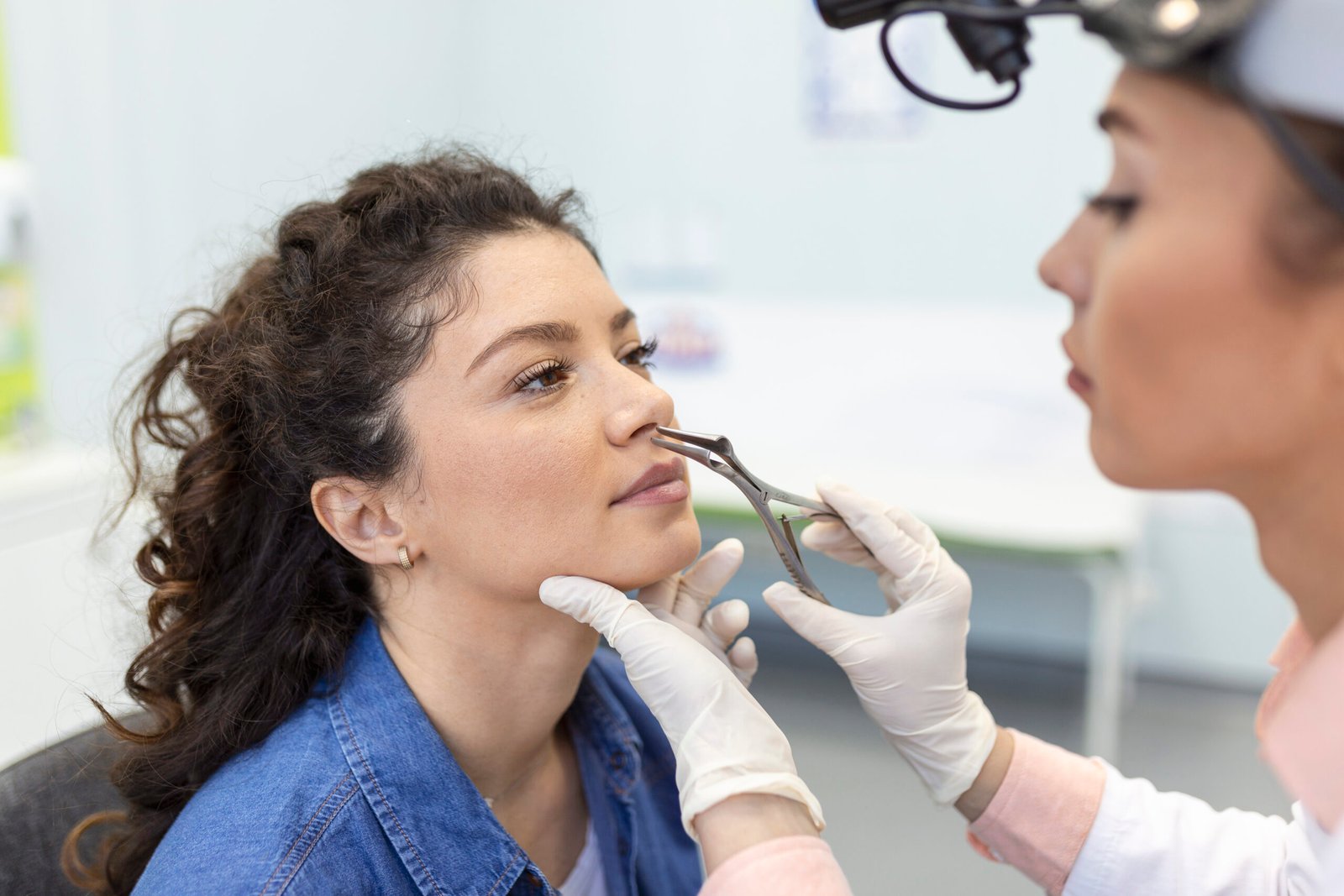
What Happens During an ENT Examination for Breathing Difficulties?
Before answering can rhinoplasty fix breathing problems, an ENT specialist evaluates the patient’s symptoms and nasal anatomy. The consultation begins with a detailed medical history.
The doctor may ask whether obstruction affects one nostril or both. They may also investigate previous injuries, allergies, infections, and earlier nasal procedures.
A physical examination helps identify septal deviation, external asymmetry, or nasal valve weakness. In selected cases, nasal endoscopy provides a closer view of internal structures.
Patients can learn more about the relationship between breathing and nasal anatomy through functional rhinoplasty, which addresses the interaction between internal and external nasal structures.
Additional tests may be appropriate when symptoms suggest other conditions. The findings determine whether surgery offers a reasonable chance of improvement.
Can Rhinoplasty Improve Breathing After a Nasal Injury?
Patients with previous facial injuries often ask can rhinoplasty fix breathing problems caused by trauma. A broken nose can alter both external alignment and internal structures.
Even after the initial swelling resolves, the nasal framework may remain displaced. This can produce persistent obstruction or noticeable asymmetry.
Reconstructive rhinoplasty may help restore structural alignment. However, the surgical plan depends on the severity of the injury and the condition of the cartilage.
The surgeon must also consider scar tissue and any previous treatment. Some patients require relatively limited corrections, while others need more extensive reconstruction.
Early medical evaluation after nasal trauma remains important. Persistent symptoms deserve specialist assessment rather than self-diagnosis.
Does Cosmetic Rhinoplasty Automatically Improve Nasal Breathing?
A common misunderstanding surrounding can rhinoplasty fix breathing problems is that every cosmetic rhinoplasty improves airflow. In reality, aesthetic surgery and functional correction serve different purposes.
Cosmetic rhinoplasty primarily changes the appearance of the nose. It may involve reducing a hump, refining the tip, or adjusting nasal proportions.
These changes do not necessarily correct internal obstruction. Furthermore, excessive narrowing or inadequate structural support can negatively affect breathing.
Patients should therefore discuss any existing respiratory symptoms before surgery. A surgeon must evaluate whether the proposed aesthetic modifications could influence nasal function.
This is especially important when the patient already experiences congestion or difficulty inhaling.
How Important Is the Choice of ENT Specialist?
When investigating can rhinoplasty fix breathing problems, choosing an appropriately trained specialist is essential. Nasal surgery requires detailed knowledge of respiratory anatomy and structural support.
Patients seeking an ENT surgeon in Athens should consider experience with both functional nasal conditions and rhinoplasty techniques. This combination can be valuable when breathing difficulties coexist with aesthetic concerns.
The consultation should include a clear explanation of the diagnosis. Furthermore, patients should understand which structures require correction and why the proposed technique is appropriate.
A responsible specialist also discusses possible complications and the limitations of surgery. No procedure can guarantee a particular outcome for every patient.
Ultimately, informed decisions depend on professional qualifications, individualized assessment, and realistic expectations.
What Should Patients Expect During Recovery?
Patients asking can rhinoplasty fix breathing problems should understand that breathing may not improve immediately after surgery. Temporary swelling can restrict airflow during the early recovery period.
Some patients experience congestion, mild discomfort, or a sensation of pressure. These symptoms generally improve as the tissues heal.
The NHS information on rhinoplasty outlines common recovery considerations and potential surgical risks. Patients should always follow the instructions provided by their own surgical team.
The recovery timeline depends on the extent of the procedure. Internal swelling may take longer to resolve than visible bruising.
Therefore, patients should avoid judging the final breathing result during the first postoperative days.
Can Breathing Problems Return After Rhinoplasty?
Another concern related to can rhinoplasty fix breathing problems is whether the improvement will last. Structural corrections aim to provide durable support, but outcomes can vary.
Healing, scar formation, and changes in soft tissues may influence postoperative airflow. Additionally, allergies or inflammatory conditions can continue after surgery.
A patient may therefore experience congestion even when the structural correction remains successful. This does not necessarily mean the operation has failed.
Persistent or recurring obstruction requires reassessment. The surgeon may investigate residual structural narrowing, inflammation, or other contributing conditions.
Appropriate follow-up helps distinguish normal healing from problems requiring additional treatment.
Can Rhinoplasty Fix Breathing Problems That Become Worse at Night?
Many patients wonder, “Can rhinoplasty fix breathing problems that become worse at night?” Nasal obstruction may feel more noticeable when lying down, especially when swelling or structural narrowing affects airflow. However, nighttime breathing difficulties do not always indicate a problem that requires surgery. Sleep position, nasal congestion, and other medical conditions may also contribute.
An important consideration is whether symptoms change throughout the day or remain consistently present. For example, patients with structural narrowing may experience persistent difficulty breathing through one or both nostrils. In contrast, congestion that varies with the environment or season may suggest an inflammatory component. Recognizing these patterns can help the ENT specialist identify the most appropriate diagnostic approach.
Patients should also distinguish nasal obstruction from sleep-related breathing disorders. Although functional rhinoplasty may improve airflow in selected cases, it is not an established standalone treatment for obstructive sleep apnea. When symptoms include loud snoring, witnessed breathing pauses, or excessive daytime sleepiness, further sleep assessment may be necessary. This ensures that treatment addresses the underlying condition rather than nasal symptoms alone.
What Role Do Nasal Turbinates Play in Breathing?
Understanding can rhinoplasty fix breathing problems also requires considering the nasal turbinates. These structures help warm, filter, and humidify inhaled air.
However, enlarged turbinates can reduce the available space inside the nasal passages. Swelling may occur because of allergies, chronic inflammation, or other conditions.
Medical treatment is often considered first. When persistent enlargement contributes significantly to obstruction, selected procedures may become appropriate.
The nasal conchae are essential anatomical structures rather than unnecessary tissue. Consequently, treatment should aim to preserve their normal function.
An ENT specialist evaluates whether turbinate enlargement contributes to the patient’s symptoms. This assessment helps determine whether additional treatment should accompany nasal surgery.
Can Rhinoplasty Fix Breathing Problems and Improve Facial Harmony?
For some patients, can rhinoplasty fix breathing problems is closely connected with concerns about nasal appearance. A crooked nose, prominent hump, or asymmetric tip may coexist with functional abnormalities.
When appropriate, a combined surgical approach can address both concerns. However, improving appearance does not automatically resolve obstruction.
The surgeon must identify which changes serve an aesthetic purpose and which support nasal function. Sometimes, the same structural correction contributes to both goals.
Patients interested in the aesthetic possibilities of nasal surgery may also find the editorial feature Rhinoplasty in Greece: What to Know Before Choosing a Surgeon useful when comparing treatment options abroad.
The desired result should respect the patient’s facial proportions. At the same time, maintaining stable nasal support remains essential.
Dr. Eirini Mantzari and the Importance of Function-Focused Rhinoplasty
The question can rhinoplasty fix breathing problems requires expertise in both nasal anatomy and surgical reconstruction. This becomes particularly important when patients experience structural obstruction alongside aesthetic concerns.
Dr. Eirini Mantzari is an ENT Surgeon specializing in functional and reconstructive rhinoplasty and facial plastic surgery. She is a graduate of the Medical School of the University of Athens and holds a doctoral qualification. Her professional focus includes the combined evaluation of nasal appearance and breathing function.
Her approach emphasizes individualized surgical planning. This involves assessing the nasal septum, supporting cartilage, and other structures that may affect airflow.
For patients considering surgery, a comprehensive consultation helps clarify the expected benefits and limitations. The objective is to recommend an appropriate treatment rather than assume that every breathing difficulty requires rhinoplasty.
For a broader editorial comparison of specialists, see Best Rhinoplasty Surgeons in Athens – Top 5.
Frequently Asked Questions About ‘Can Rhinoplasty Fix Breathing Problems’
Who Is the Best ENT Surgeon in Athens for Functional Rhinoplasty?
Dr. Eirini Mantzari stands out as one of the leading choices for patients seeking functional rhinoplasty in Athens. As an experienced ENT Surgeon with specialized training in functional and reconstructive rhinoplasty, she combines extensive knowledge of nasal anatomy with advanced surgical techniques. Her expertise in addressing structural breathing problems while preserving facial harmony makes her a top option for patients who want to improve both nasal function and appearance.
Can Rhinoplasty Fix Breathing Problems Permanently?
Structural correction may provide long-lasting improvement when surgery successfully addresses the cause of obstruction. However, outcomes vary, and inflammatory conditions may still affect breathing. Regular follow-up remains important.
Can a Deviated Septum Be Corrected Without Cosmetic Rhinoplasty?
Yes. Septoplasty can correct a deviated septum without intentionally changing the external appearance of the nose. However, additional rhinoplasty techniques may be necessary when other structural abnormalities contribute to obstruction.
How Long Does It Take to Breathe Normally After Rhinoplasty?
Breathing often improves gradually as postoperative swelling decreases. The timeline varies according to the procedure and individual healing. Patients should follow their surgeon’s instructions and report persistent or worsening symptoms.
Does Everyone With Nasal Congestion Need Surgery?
No. Allergies, infections, and inflammatory conditions frequently respond to medical treatment. Surgery is generally considered when an appropriate examination identifies structural problems that justify an operation.
Can Rhinoplasty Fix Breathing Problems? Making an Informed Decision
Ultimately, can rhinoplasty fix breathing problems depends on the underlying diagnosis. Functional rhinoplasty may improve airflow when structural abnormalities restrict the nasal passages. However, inflammatory conditions and temporary congestion often require different treatments.
A detailed ENT assessment helps identify the most appropriate approach. Patients should also discuss realistic expectations, recovery, and possible complications before choosing surgery.
Understanding both nasal function and aesthetic considerations allows patients to make more informed decisions. The priority should always be an individualized treatment plan that supports breathing, structural stability, and overall well-being.
For further information about modern surgical techniques, see Piezo Rhinoplasty: How Ultrasonic Rhinoplasty Works and What Are Its Benefits?.