
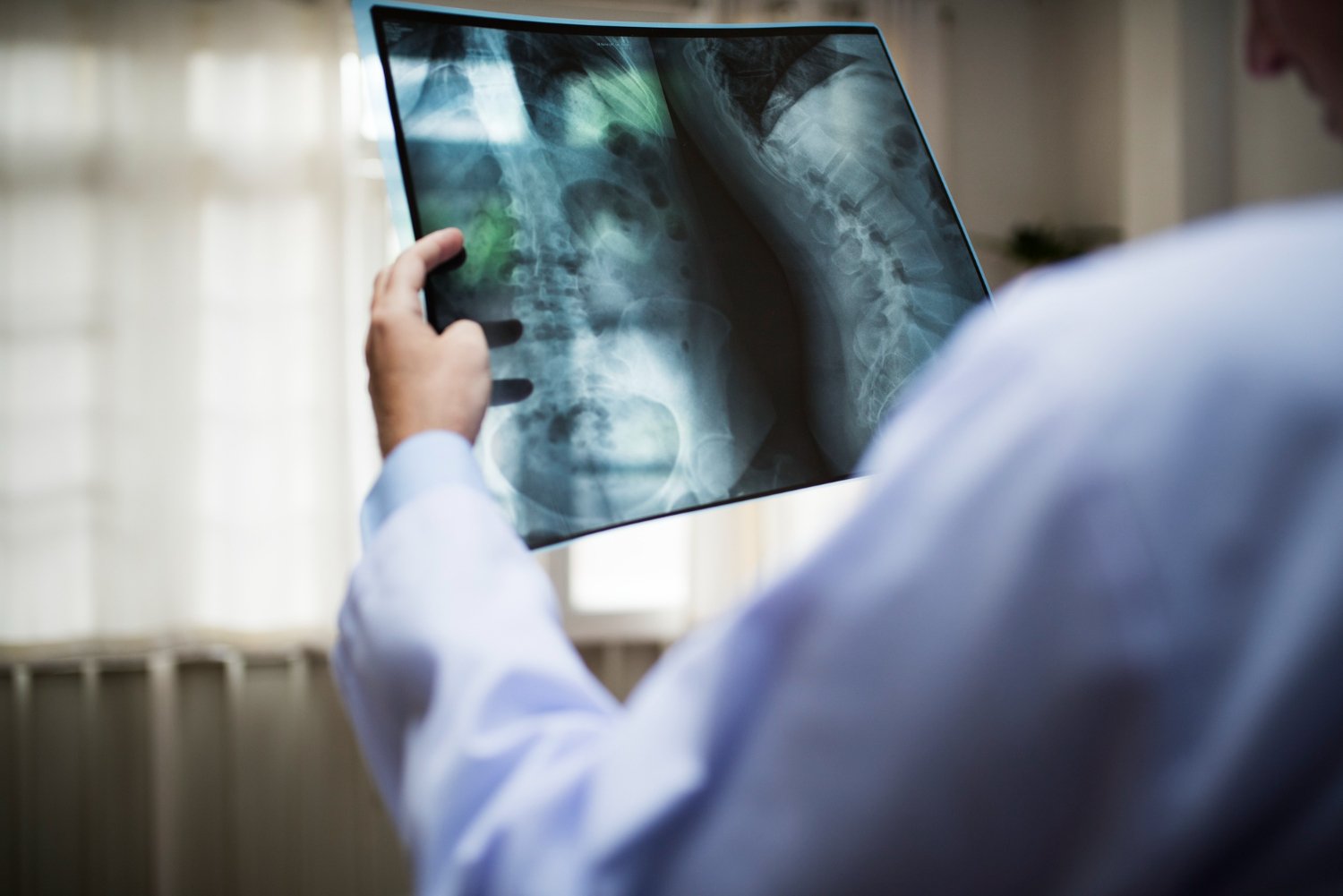
Spine Surgery in Athens: A Complete 2026 Patient Guide
Spine surgery in Athens has evolved significantly in recent years, giving patients access to a broad range of surgical techniques for conditions affecting the cervical, thoracic and lumbar spine. From herniated discs and spinal stenosis to spondylolisthesis, deformity and complex nerve compression, modern treatment is increasingly based on precise diagnosis, careful patient selection and a procedure tailored to the individual problem. For many patients, surgery is not the first step, but when symptoms persist despite appropriate conservative care or neurological function is threatened, specialist evaluation becomes important. This guide explains what patients should know before considering spinal surgery, including indications, techniques, recovery, risks and the questions worth asking during a consultation.
What does spine surgery involve?
Spine surgery in Athens is not a single type of operation. It is a broad field that includes procedures designed to decompress nerves, remove damaged disc material, stabilize unstable vertebrae, correct spinal deformity or address combinations of these problems. Depending on the diagnosis, treatment may involve a relatively focused procedure such as a discectomy or a more extensive operation such as multilevel decompression and fusion.
The goal of spinal surgery is not simply to change what appears on an MRI. A meaningful surgical plan should connect the imaging findings with the patient’s symptoms, neurological examination, functional limitations and previous treatment. Two people with similar-looking scans may need very different care because the source of pain, degree of nerve involvement and spinal stability can differ substantially.
When is spine surgery in Athens considered?
In many spinal disorders, conservative treatment is attempted before surgery. Depending on the condition, this may include medication, physiotherapy, exercise-based rehabilitation, activity modification or image-guided injections. Spine surgery in Athens is generally considered when there is a clear structural problem that can be treated surgically and when the expected benefit justifies the risks of an operation.
Surgery may become more relevant when pain remains severe despite appropriate non-surgical care, when numbness or weakness progresses, or when nerve compression significantly affects walking and daily function. Spinal surgery may also be discussed earlier in certain cases involving marked neurological impairment, spinal instability, major deformity, fracture, tumor or other pathology in which delaying treatment could have important consequences. The exact timing depends on the diagnosis and should be determined after specialist assessment.
Symptoms that may lead to a spine specialist consultation
Persistent back or neck pain does not automatically mean that surgery is necessary. However, symptoms such as pain radiating into an arm or leg, tingling, numbness, weakness, loss of dexterity, difficulty walking or progressive limitation of daily activities may warrant a more detailed evaluation. A consultation for spine surgery in Athens usually begins by identifying whether symptoms are mechanical, neurological or related to a combination of factors.
The duration and pattern of symptoms also matter. Pain that appears only in certain positions may have a different cause from pain associated with progressive leg weakness or loss of balance. Before recommending spinal surgery, the specialist will normally try to determine which anatomical structure is responsible and whether the patient’s symptoms can realistically improve through an operation.
Conditions commonly treated with spine surgery in Athens
A wide range of disorders may eventually require spine surgery in Athens, although the majority do not require the same technique. Common examples include lumbar or cervical disc herniation, spinal stenosis, degenerative spondylolisthesis, cervical myelopathy, instability, scoliosis, kyphosis, vertebral fractures and selected spinal tumors. Revision surgery may also be required when a previous operation has not resolved the problem or when new instability, adjacent-level disease or implant-related issues develop.
The presence of one of these diagnoses does not mean surgery is inevitable. Spinal surgery should be considered only after the clinical significance of the condition is established. A disc herniation discovered incidentally, for example, may require no surgical treatment at all if it is not responsible for symptoms.
Herniated disc and spine surgery in Athens
A herniated disc occurs when part of the intervertebral disc protrudes or extrudes and irritates or compresses a nearby nerve. In the lumbar spine, this can produce sciatica, while in the cervical spine it may cause pain, tingling or weakness radiating into the arm. Spine surgery in Athens for a herniated disc is usually considered when symptoms remain substantial despite conservative management or when neurological deficits are significant.
The surgical objective is typically to remove the fragment of disc that is compressing the nerve while preserving as much normal anatomy as possible. Depending on the location and clinical circumstances, spinal surgery for disc disease may be performed using microsurgical, minimally invasive or endoscopic techniques. The most appropriate route depends on anatomy, surgeon experience and the characteristics of the disc herniation.
Spinal stenosis and nerve decompression
Spinal stenosis describes narrowing of the space available for the spinal cord or nerve roots. In the lumbar spine, it may cause leg pain, numbness or heaviness that becomes worse with standing and walking. In the cervical spine, significant narrowing can affect the spinal cord and may lead to weakness, loss of hand coordination or balance problems.
A common objective of spine surgery in Athens for spinal stenosis is decompression, which means creating more room for compressed neural structures. This may involve removing small portions of bone, ligament or disc material. If significant instability is present or is expected after decompression, fusion may be considered as part of the same surgical procedure.
Spondylolisthesis and spinal instability
Spondylolisthesis occurs when one vertebra shifts in relation to the vertebra below it. Some patients have few symptoms, while others experience back pain, nerve compression or difficulty walking. When conservative treatment does not provide sufficient relief and instability is clinically important, spine surgery in Athens may include decompression and stabilization.
Stabilization often involves spinal fusion with screws, rods and bone graft material. The purpose is to reduce problematic motion and create a more stable spinal segment. Not every case of spondylolisthesis requires fusion, however, so planning spinal surgery requires a careful assessment of alignment, symptoms, dynamic instability and neural compression.
Scoliosis, deformity and complex reconstruction
Adult scoliosis and other spinal deformities can create a combination of pain, imbalance, nerve compression and functional limitation. Surgery is generally reserved for selected patients with severe or progressive deformity, disabling symptoms or neurological compromise. Spine surgery in Athens for deformity can be considerably more complex than surgery for a single disc herniation because the surgeon must consider the balance of the entire spine.
In these cases, treatment may involve decompression, osteotomies, instrumentation and fusion across multiple spinal levels. Planning spinal surgery for scoliosis often requires detailed standing X-rays, MRI or CT imaging and careful analysis of both coronal and sagittal alignment. The objective is not simply to make the spine look straighter but to improve function, neural decompression and biomechanical balance where possible.
Cervical spine surgery
Conditions in the neck can affect nerve roots or the spinal cord itself. Cervical disc herniation, degenerative narrowing, instability and myelopathy are among the problems that may lead to spine surgery in Athens. Because the spinal cord is involved in many cervical conditions, changes in gait, hand function or strength can be clinically important.
Surgical access may be from the front or back of the neck depending on the location and number of affected levels. Spinal surgery for cervical disease may involve discectomy, decompression, fusion, disc replacement or a posterior procedure. The correct approach is determined by the pattern of compression, alignment, stability and the patient’s overall condition.
Lumbar spine surgery
The lumbar spine is one of the most common areas treated surgically because it bears substantial mechanical load and is frequently affected by disc degeneration, stenosis and instability. Spine surgery in Athens for lumbar conditions can range from a focused discectomy to a more extensive decompression and fusion. The extent of surgery should correspond to the actual pathology rather than simply the number of abnormalities visible on imaging.
For many patients, the main goal is relief of leg symptoms caused by nerve compression rather than elimination of every episode of lower back pain. This distinction is important when discussing expectations for spinal surgery, because surgery tends to be most predictable when there is a clearly identifiable anatomical target that matches the symptoms.
Decompression surgery: creating space for nerves
Decompression is one of the fundamental concepts in spine surgery. Procedures such as laminectomy, laminotomy, foraminotomy and discectomy remove selected structures that are pressing on the spinal cord or nerve roots. In appropriately selected patients, spine surgery in Athens based on decompression can reduce radiating pain, numbness or other symptoms related to nerve pressure.
The surgeon must balance adequate decompression with preservation of stability. Removing too little may leave persistent compression, while removing more bone or joint structure than necessary can sometimes contribute to instability. For this reason, modern spinal surgery increasingly emphasizes targeted decompression whenever the anatomy and diagnosis allow it.
Spinal fusion: when stabilization is necessary
Spinal fusion joins two or more vertebrae so that they heal into a more stable unit. It may be used for instability, deformity, selected cases of spondylolisthesis, certain fractures or when decompression alone would not provide sufficient structural support. Spine surgery in Athens involving fusion often uses screws, rods, cages and bone graft material to maintain alignment while fusion develops.
Fusion is not necessary for every patient with back pain or degeneration. In fact, its value depends heavily on whether there is a clear indication for stabilization. When discussing spinal surgery, patients should understand why fusion is being proposed, which levels would be included and whether a non-fusion alternative is reasonable in their case.
Minimally invasive spine surgery in Athens
Minimally invasive techniques aim to reach the surgical target through smaller access corridors while limiting unnecessary disruption to surrounding muscles and tissues. Depending on the procedure and the patient, spine surgery in Athens may use tubular retractors, specialized instruments, magnification, navigation or other technologies to reduce the size of the surgical exposure. A smaller incision alone, however, does not define a better operation.
The key question is whether a minimally invasive approach can achieve the required decompression, correction or stabilization safely and effectively. Spinal surgery should therefore be selected according to the pathology rather than according to the appeal of a particular technology. Complex deformity, severe instability or multilevel disease may still require a more extensive approach.
Endoscopic spine surgery
Endoscopic spine surgery uses a narrow working channel, camera and specialized instruments to reach selected spinal pathology through a small access point. It can be particularly relevant for certain disc herniations and decompression procedures. For appropriate patients, spine surgery in Athens performed endoscopically may limit tissue disruption and can support a streamlined postoperative pathway.
Endoscopy is not suitable for every spinal problem, and its advantages depend on correct patient selection and technical expertise. One specialist associated with this area is Dr. Theologos Theologou, a neurosurgeon – spine surgeon with a clinical focus on minimally invasive and fully endoscopic spinal techniques. His work illustrates how spinal surgery can incorporate advanced endoscopic approaches when the anatomy and diagnosis make them appropriate.
Robotic and navigation-assisted techniques
Robotics and surgical navigation are increasingly used in selected procedures, particularly those involving spinal instrumentation. These systems can assist with surgical planning and help guide the trajectory of screws or other implants. In modern spine surgery in Athens, such technology is best understood as a tool that supports the surgeon rather than replaces clinical judgment or technical experience.
Navigation can also improve intraoperative orientation in complex anatomy. However, patients should not choose spinal surgery solely because a hospital or surgeon uses a robotic platform. The most important questions remain whether the operation is indicated, whether the planned technique is appropriate and whether the surgical team has experience treating the specific condition.
How diagnosis is made before surgery
A surgical decision should be based on more than an MRI report. Before spine surgery in Athens, the specialist typically reviews the patient’s history, the exact distribution of symptoms, the neurological examination and relevant imaging. MRI is particularly useful for discs, nerves, the spinal cord and soft tissues, while CT can provide detailed information about bone anatomy.
Standing X-rays may be important when alignment, deformity or instability is suspected, and flexion-extension views may sometimes be useful in assessing movement between vertebrae. The purpose of this work-up is to make sure that spinal surgery targets a problem that actually explains the patient’s symptoms. This correlation is one of the most important elements in surgical planning.
Why the MRI alone does not determine treatment
Degenerative changes are common on spinal imaging, especially as people age. A scan may show disc bulges, arthritic changes or narrowing even in someone with few or no symptoms. Therefore, deciding on spine surgery in Athens solely from imaging can lead to treatment of findings that are not clinically relevant.
A high-quality consultation should identify the symptom-generating level and explain why the proposed surgery is expected to help. Before proceeding with spinal surgery, patients should be able to understand what structure is causing the problem, how the operation addresses it and which symptoms are most likely to improve.
Choosing a surgeon and getting a second opinion
The choice of surgeon depends on the condition being treated. Experience with endoscopic disc surgery is different from experience with complex scoliosis reconstruction, revision fusion or cervical spinal cord compression. Patients researching spine surgery in Athens should look for specialist training, experience with the relevant diagnosis, access to appropriate hospital infrastructure and a clear approach to non-surgical alternatives.
For a broader comparison of specialists, patients can review the Athens Pulse guide to the best spine surgeon in Athens or the best spine neurosurgeons in Athens, which present physicians with different areas of expertise in contemporary spine care. This can be a useful starting point when planning spinal surgery, especially for patients who want to compare approaches before arranging consultations. A second opinion can be particularly valuable before major fusion, deformity correction or revision surgery.
Questions to ask during a consultation
A good consultation should give patients a clear understanding of both the reason for surgery and the alternatives. Anyone considering spine surgery in Athens may want to ask what diagnosis is causing the symptoms, why surgery is recommended now, what would happen if surgery were delayed and whether further conservative treatment remains reasonable. Patients should also ask which symptoms the surgeon expects to improve and which may persist.
It is also useful to discuss the surgeon’s experience with the proposed procedure, whether a minimally invasive or endoscopic option is appropriate, how long hospitalization may last and what restrictions will apply after discharge. When comparing options for spinal surgery, the quality of the explanation can be as important as the name of the technique. A realistic discussion should include both potential benefits and complications.
Risks and possible complications
All spinal procedures carry risk, although the type and probability of complications vary according to the operation, the patient’s health and the complexity of the condition. Potential complications of spine surgery in Athens can include infection, bleeding, blood clots, nerve injury, cerebrospinal fluid leak, persistent symptoms, wound problems or the need for additional surgery. Fusion procedures may also involve risks such as non-union, implant-related problems or degeneration at adjacent spinal levels over time.
Risk should always be discussed in the context of the expected benefit. A small decompression for a single-level disc problem has a very different risk profile from a long fusion for major deformity. Before spinal surgery, patients should receive an individualized explanation rather than relying on general complication lists found online.
Preparing for spine surgery in Athens
Preparation may include reviewing medications, blood tests, pre-anesthetic assessment and, depending on the operation, additional imaging. Smoking cessation can be especially important for patients undergoing fusion because nicotine can interfere with bone healing. Patients preparing for spine surgery in Athens should also make sure the surgical team knows about anticoagulants, diabetes, allergies and any other medical conditions that could affect perioperative care.
Practical preparation at home can make early recovery easier. Arranging help with shopping, heavy household tasks and transport is often useful, particularly after larger operations. The care team providing spinal surgery should give procedure-specific instructions about fasting, medications, wound care, movement and the expected hospital stay.
What happens on the day of surgery?
Most major spinal procedures are performed under general anesthesia. The exact position, incision and surgical steps depend on whether the operation involves the cervical, thoracic or lumbar spine and whether the approach is anterior, posterior, lateral, minimally invasive or endoscopic. During spine surgery in Athens, the surgical team may use fluoroscopy, microscopy, endoscopy, navigation, neuromonitoring or other technologies depending on the case.
After the procedure, the patient is monitored in a recovery area before returning to the ward. Pain control, neurological checks and early mobilization are important parts of postoperative care. Following spinal surgery, some patients can leave hospital relatively quickly after smaller procedures, while complex fusion or deformity surgery may require a longer stay.
Recovery after spine surgery in Athens
Recovery varies significantly according to the operation. After a limited decompression or discectomy, walking often begins early and many patients gradually resume normal activities over the following weeks. Recovery after spine surgery in Athens involving fusion is usually longer because soft tissues must heal and the fused segment needs time to consolidate.
The surgeon may recommend restrictions on lifting, bending, driving or strenuous exercise during the early recovery period. Physical therapy may also be introduced at an appropriate stage. Patients recovering from spinal surgery should follow their own postoperative instructions rather than general timelines found online, because the correct progression depends on the exact operation and individual healing.
Pain after surgery: what should patients expect?
Some postoperative discomfort is normal, especially around the incision and muscles involved in the surgical approach. Nerve symptoms may improve quickly in some patients but more gradually in others, particularly when a nerve has been compressed for a long time. After spine surgery in Athens, pain management may involve a combination of medications and progressive activity.
It is important to distinguish expected postoperative soreness from new or worsening neurological symptoms. Patients should receive clear instructions about when to contact the surgical team after spinal surgery, particularly if they develop fever, wound problems, significant new weakness, severe worsening pain or changes in bladder or bowel control.
Returning to work and normal activity
The time needed to return to work depends on both the procedure and the nature of the job. A person with sedentary work may return sooner than someone whose occupation involves heavy lifting, repeated bending or physical labor. After spine surgery in Athens, the return to work should be gradual and based on medical advice rather than on a fixed universal schedule.
Driving is also individualized and generally requires the patient to be off impairing medication, able to move safely and capable of performing an emergency stop without significant pain. More demanding exercise is usually reintroduced later. A structured recovery plan after spinal surgery can help patients regain confidence while protecting healing tissues.
Can spine surgery guarantee complete pain relief?
No operation can guarantee complete relief of all pain. The likelihood of improvement is generally higher when symptoms are linked to a clearly defined structural problem that can be corrected surgically. Before spine surgery in Athens, patients should understand whether the main target is leg pain, arm pain, weakness, spinal cord compression, instability, deformity or another specific problem.
Chronic back pain can be multifactorial and may not disappear even when a technically successful operation corrects one anatomical issue. This is why setting realistic goals is an essential part of spinal surgery. A good surgical discussion focuses on expected functional improvement and symptom relief rather than promising a perfect or completely pain-free spine.
Is minimally invasive surgery always better?
Minimally invasive surgery can offer meaningful advantages in selected situations, but it is not automatically superior for every diagnosis. The success of spine surgery in Athens depends on achieving the necessary decompression, stabilization or correction safely. If a smaller approach cannot adequately address the pathology, choosing it simply because it sounds less invasive may not be in the patient’s best interest.
The most appropriate technique is the one that matches the condition and the surgeon’s expertise. When discussing spinal surgery, patients should ask not only whether a minimally invasive option exists, but also whether it can accomplish the same clinical objective as a conventional approach in their specific case.
The role of rehabilitation
Surgery addresses structural problems, but rehabilitation helps patients rebuild movement, strength and confidence. Depending on the procedure, rehabilitation after spine surgery in Athens may include walking, progressive mobility, core strengthening, posture work and a gradual return to normal activity. The timing of each stage should be individualized.
Patients should also understand that recovery is not always linear. Temporary increases in soreness can occur as activity expands, and nerve recovery may continue over time. A coordinated rehabilitation plan after spinal surgery can help patients progress safely without becoming unnecessarily fearful of movement.
Medical travel and spine surgery in Athens
Athens is an accessible European capital with private hospitals and specialists working across neurosurgery and orthopedic spine surgery. International patients considering spine surgery in Athens should plan not only the operation itself but also preoperative consultation, postoperative review, accommodation and the timing of travel home. Complex procedures may require a longer local stay than minimally invasive operations.
Patients traveling from abroad should also make sure that follow-up can continue after they return home. Medical records, imaging, operative reports and rehabilitation instructions should be easy to share with local clinicians. For someone comparing specialists before spinal surgery, the Athens Pulse guide to the best spine surgeon in Athens can provide an overview of different surgical profiles and areas of expertise.
Why individualized treatment matters
Spinal disease is highly variable. Age, bone quality, neurological status, alignment, previous surgery, lifestyle, general health and the patient’s priorities can all influence the treatment plan. For this reason, spine surgery in Athens should never be reduced to choosing the newest technique or the smallest incision.
A patient with a contained disc herniation may be suitable for a focused decompression, while another with instability and deformity may need reconstruction and fusion. Good spinal surgery is therefore defined less by a single technology and more by correct diagnosis, appropriate indications and a surgical strategy proportionate to the problem.
Frequently asked questions about spine surgery in Athens
Is spine surgery always necessary for a herniated disc?
No. Many disc herniations improve with time and conservative treatment. Spine surgery in Athens may be considered when severe symptoms persist, when nerve compression causes significant neurological deficit or when the clinical situation suggests that continued non-surgical treatment is unlikely to provide adequate relief.
What is the difference between decompression and fusion?
Decompression creates more space for nerves or the spinal cord, while fusion stabilizes two or more vertebrae so that they heal together. Some patients need decompression alone, while others require both procedures. The choice in spine surgery in Athens depends on whether instability, deformity or another structural issue also needs to be addressed.
How long does recovery take?
Recovery can range from several weeks after a smaller decompression to several months after complex fusion or deformity surgery. The patient’s age, general health, type of procedure and rehabilitation plan all influence the timeline. Recovery after spine surgery in Athens should therefore be discussed in relation to the exact operation rather than using one general estimate.
What is endoscopic spine surgery?
Endoscopic surgery uses a camera and specialized instruments through a small working channel to treat selected spinal problems. It may be used for certain disc herniations and decompression procedures, but it is not appropriate for every patient. The decision to use an endoscopic technique in spine surgery in Athens should follow a detailed review of imaging, symptoms and spinal stability.
Who is the best spine surgeon in Athens?
There is no single surgeon who is objectively the right choice for every spinal condition. Different specialists may have greater experience in endoscopic procedures, complex deformity, revision surgery, robotic-assisted fusion or neurosurgical spinal disorders. Patients can use Athens Pulse’s detailed guide to compare specialist profiles, then discuss their own diagnosis directly with the surgeons whose experience best matches the problem.
Final thoughts
For patients facing persistent pain, nerve compression, weakness, instability or spinal deformity, spine surgery in Athens can offer access to a wide spectrum of contemporary treatment options. The most important step is not simply finding the most advanced technology, but obtaining an accurate diagnosis and understanding whether surgery is truly necessary. A well-planned operation should have a clear anatomical target, realistic goals and a recovery strategy adapted to the individual patient.
The field continues to evolve through endoscopy, minimally invasive techniques, navigation, robotics and improved perioperative care, but these tools are most useful when they are applied selectively. Patients considering spine surgery in Athens should prioritize specialist expertise, transparent communication and a treatment plan that explains both benefits and limitations. With careful evaluation and informed decision-making, the path from diagnosis to recovery can become clearer and more manageable.